
review
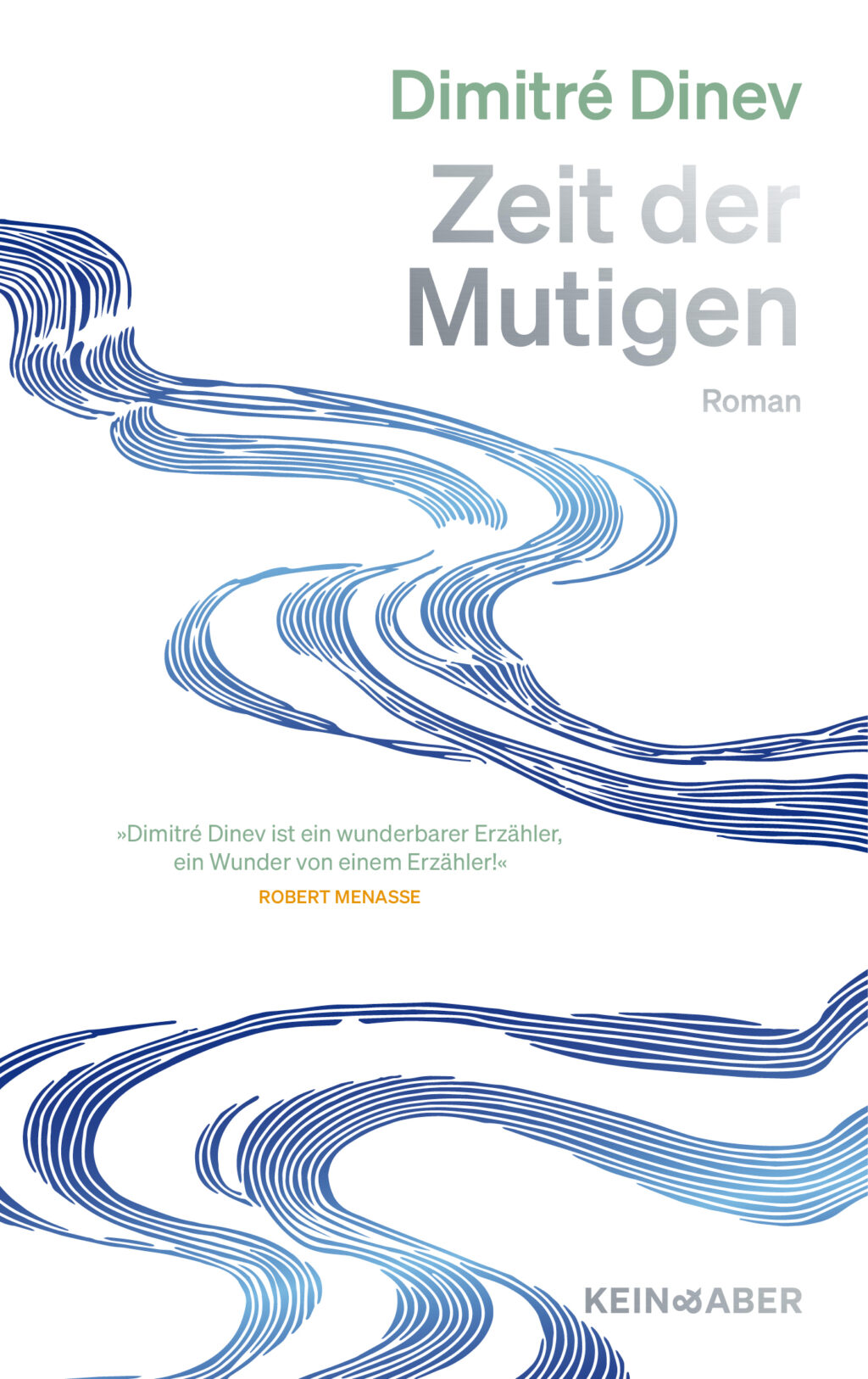
‘The Time of Heroes’ spans generations and geographies, moving between Austria and Bulgaria to trace the legacies of political regimes, fractured histories and inherited silence. Structured around seven elemental motifs—Water, Fire, Stones, Clouds, Wind, Earth, and Sun — the novel follows interwoven family stories shaped by war, displacement and reinvention across a turbulent century.
In Vienna on the eve of WWI, Eva Nagel, a maid falsely accused of theft, attempts suicide in the Danube. She is saved by a soldier, Alois, with whom she shares a night before he disappears to the front. Years later, on a hospital ship, she finds him dying but he no longer recognises her. She lets him go and tries to drown herself, but is rescued by Xaver, a fisherman. They marry and have a daughter, Angela, who grows up bonded to the river. Angela marries Helmut Nagorny and gives birth to Bruno before Helmut is drafted. After the war, Xaver is executed for aiding American pilots.
In Bulgaria, deserter Leopold Gruber joins a Roma troupe, fathers a child with Kera, and is later captured. A shepherdess, Neda, saves him. An amnesiac, he assumes a new identity as “Meto” and flees using forged papers in the name of Helmut Nagorny. Angela accepts him as her husband. Neda, now pregnant, stays behind.
Barko, Kera’s husband, survives a labour camp by becoming a gravedigger, quietly recording the names of the dead. His adopted son, Raiko, believes him his biological father. In this section, stone signifies truth preserved through silence.
Bruno grows up to be a pacifist. A lawyer — sent by Lorenz, a Holocaust survivor using a false identity — saves him from prison. Together, they fund underground resistance. Bruno’s sister Nora leaves Austria, seeking meaning abroad. She returns pregnant, and the family embraces her.
In Bulgaria, Wichra — Meto and Neda’s daughter — joins the secret police but is torn by love and loyalty. After a betrayal, she disappears. Raiko inherits Barko’s mission to honour the dead. Nora names her daughter Eva. In the final pages, Wichra returns as a nurse to care for Meto. When he asks who she is, she tells him.
Scenes of mythic force, absurdist humour and quiet beauty recur throughout the novel. At its moral centre is a quiet, stubborn commitment to naming the dead in the face of state violence and historical forgetting. Dinev’s skill lies in lending private lives historical weight without moralizing. This is epic, morally textured storytelling from Eastern Europe reminiscent of Nino Haratischwili’s The Eighth Life (Scribe UK, 2019, tr. Charlotte Collins and Ruth Martin) and Georgi Gospodinov’s Time Shelter (Weidenfeld & Nicolson, 2023, tr. Angela Rodel).
Find out more: https://www.keinundaber.ch/buecher/zeit-der-mutigen?variant=14444400
Rights sales: Spanish World Rights (Alfaguara)

All recommendations from Autumn 2025