
review
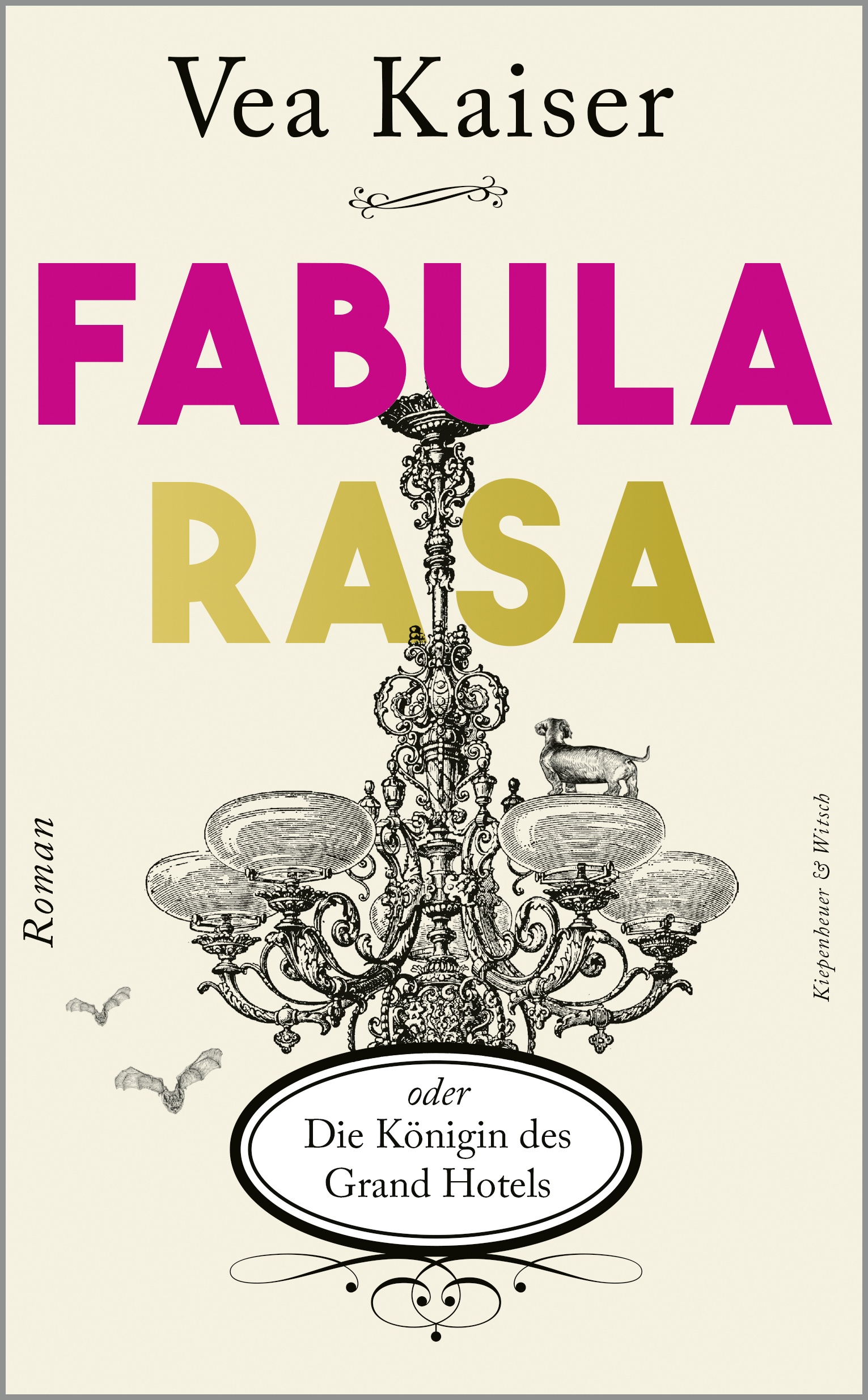
Set in a grand Viennese hotel, this sweeping literary saga is based on the true story of a bookkeeper who defrauded a luxurious Viennese hotels out of more than €3 million over the course of her 30-year career.
In the 1980s, Angelika Moser works as a hotel bookkeeper by day and lives it up with her best friend Ingi at night. She sometimes visits her fierce mother Erna, a hardworking council building manager, or spends time with Berti, her straitlaced boyfriend. Inevitably, Angelika’s eye wanders and she falls for her charming intern, Eugen. Parallel to these strands, the hotel director has asked Moser to help fudge the books to get rid of an American law firm representing the estate of the hotel’s former owners. These are a Jewish couple who fled to Shanghai in the 1930s and who are demanding compensation for unfair appropriation. Initially unwilling, Angelika relents, tempted by the promise of more money, which would enable her to move to New York with Eugen. But their love affair falls apart when Angelika finds out Eugen is actually the son of the hotel director.
Angelika ends up with musician Freddy, with whom she has a child, Sebastian, but the relationship doesn’t last. As she advances to become head accountant, she starts to siphon off money into her own account, using forged invoices to make ends meet as a single mother. Over a period of thirty years, she steals so much money – over €3 million – that she is able to fund a lavish lifestyle and gain access to elite circles, such as the famous Viennese Opera Ball. When Sebastian becomes an established cryptocurrency trader, she tries to destroy the paper trail of her embezzlement. She almost succeeds, until she has to bail out Sebastian and suspicions grow, ultimately leading to her arrest. She ends up in prison, where the author herself makes a brief cameo on a visit.
The vivid, detailed vignettes of behind-the-scenes life in a luxury hotel (based on the real-life Imperial Hotel in Vienna), depicting how the luxury enjoyed by the few is the product of hard graft by unseen workers is echoed in the rise and fall of Angelika’s fortunes. For all the characters’ flaws, they are deeply human and relatable, and rooted in the dry wit of Viennese culture and language.

All recommendations from Autumn 2025