review
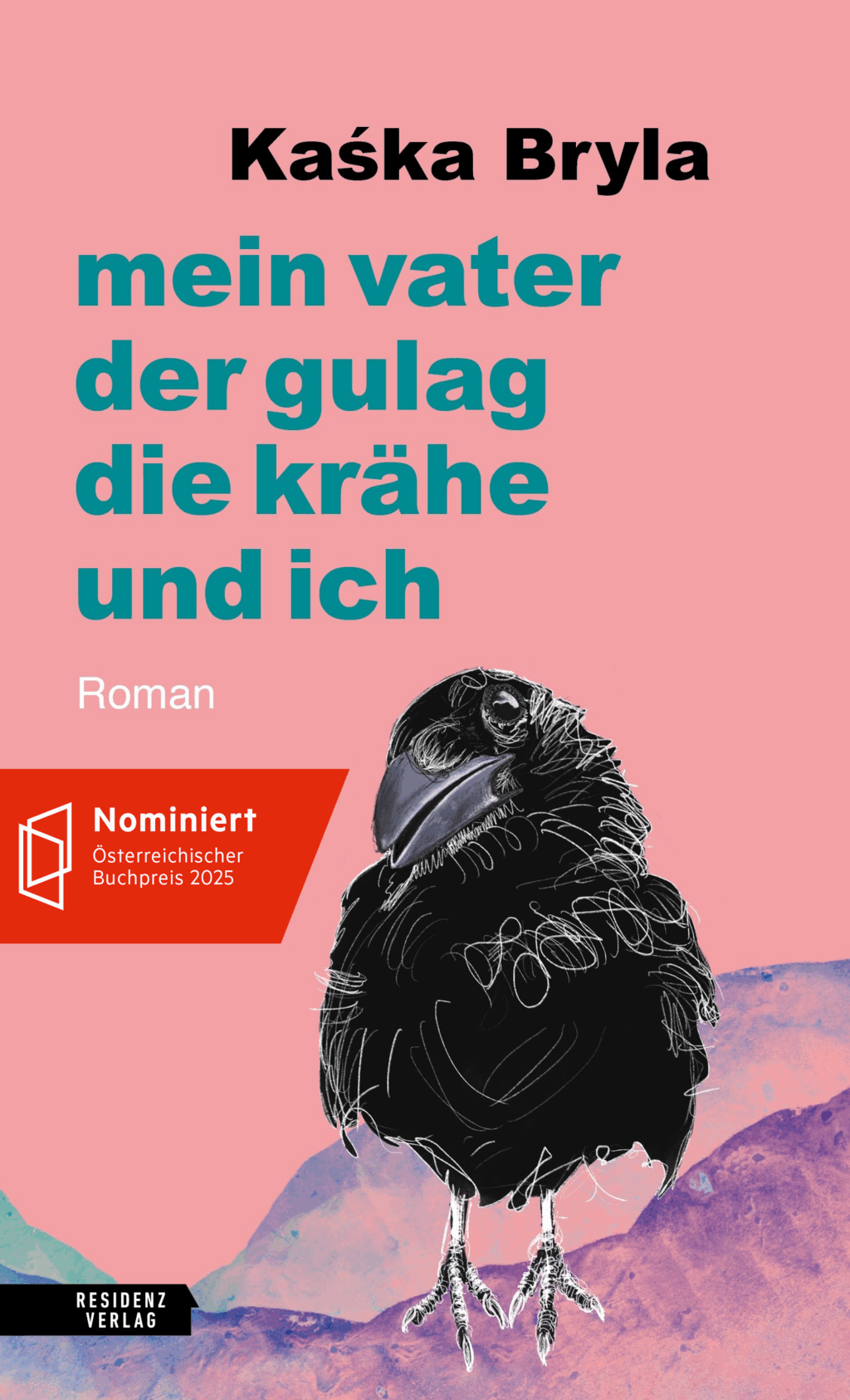
‘My Father, the Gulag, the Crow and Me’ is an intimate auto fictional novel set during the summer of 2020, and will appeal to fans of Herta Müller’s The Hunger Angel and Maggie Nelson’s The Argonauts.
While the world is paralysed by the pandemic, the narrator lives in a caravan park community, seriously ill and struggling to survive both physically and emotionally. The novel intertwines three narrative strands: the narrator’s present-day isolation; imagined conversations with her father, a former member of the Polish resistance who survived a Soviet gulag; and her care for a wounded baby crow named Karl. Together, these strands form a profound meditation on resistance, inheritance, and survival.
The novel unfolds episodically, moving associatively between the heat of the lockdown summer of 2020 and the cold shadows of the past. Living in a caravan park on the outskirts of Leipzig, the unnamed narrator’s life is defined by the fluctuating rhythms of a serious illness involving bouts of fever and debilitating weakness. Isolated both by her illness and the global lockdown, she turns inward, conducting extended internal dialogues with her deceased father, who becomes her moral reference point. Through these imagined exchanges, she reconstructs his experiences and the long shadows his trauma cast over their family.
When the narrator rescues an abandoned baby crow whom she names Karl and feeds by hand, his precarious recovery mirrors her own physical vulnerability. The act of caring for Karl becomes a quiet form of resistance against despair. The text seamlessly weaves these present-day observations with political reflections on her life as a queer woman, suggesting a lineage of resistance that is both inherited from her father and transformed by her own circumstances.
Bryla’s spare, unsentimental prose combines memoir, essay, and lyrical reflection. The novel’s setting is highly relatable, and the exploration of intergenerational trauma resonates far beyond its Polish-Soviet context, feeding into broader conversations about political oppression, memory, and the repercussions of totalitarian violence. The narrator’s relationship with Karl is especially poignant, offering a memorable and hopeful anchor in a precarious world. ‘My Father, the Gulag, the Crow and Me’ is a wonderful, quirky, life-enhancing book whose fierce intelligence and remarkable associative style make it a compelling contribution to contemporary European literature.
All recommendations from Spring 2026