
review
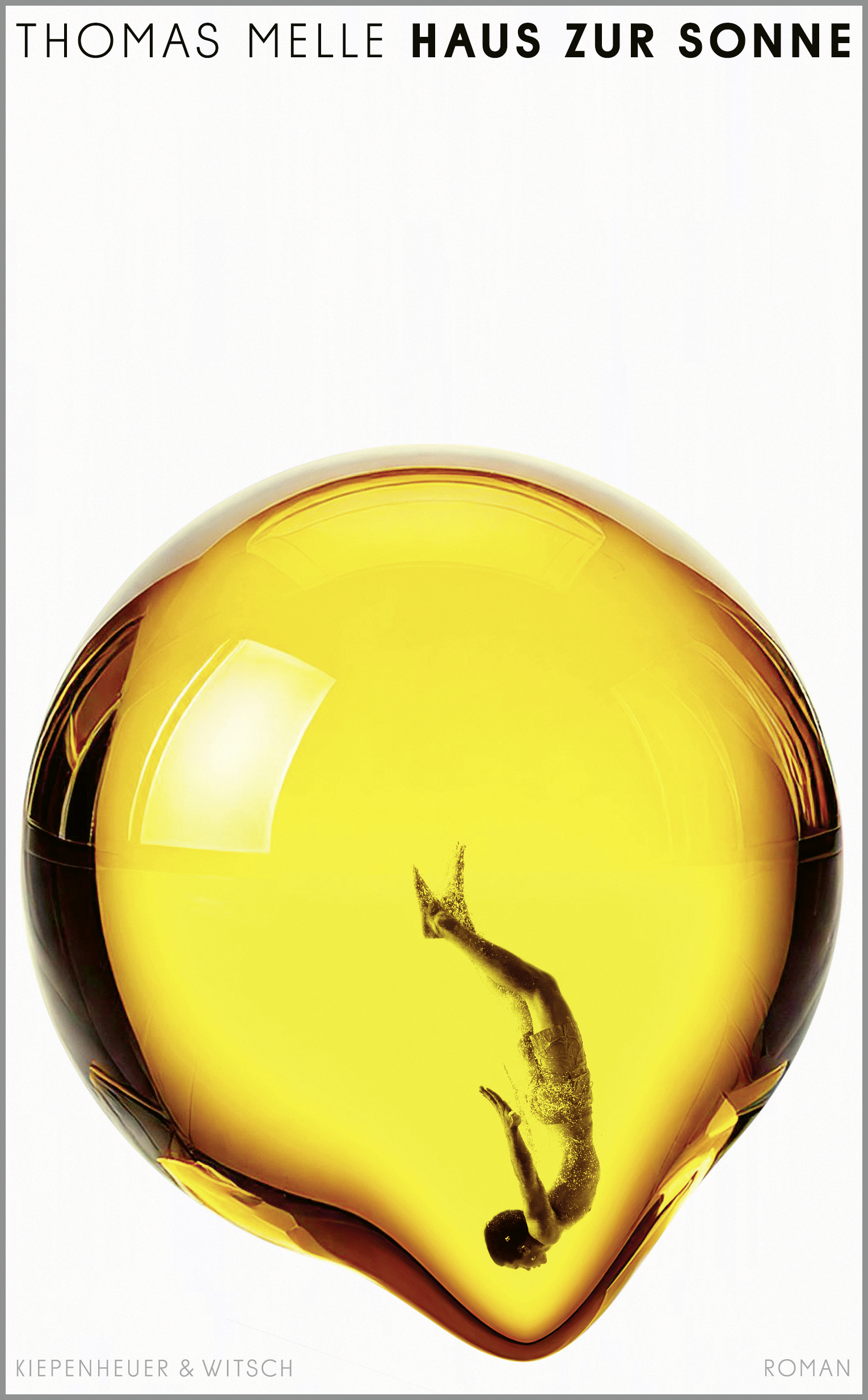
A German author with bipolar disorder is cancelled on Twitter for writing about the controversial awarding of the Nobel Prize to Peter Handke. His resulting break with reality leads to a new, severely maniac phase during which he squanders the financial and social stability he has managed to accrue since his last successful publication and treatment for his disorder. A flyer for a clinic called Haus zur Sonne (House in the Sun) falls into his hands; it is apparently some kind of psychiatric institution where people can end their lives. Although this is not his intention, he decides to pay it a visit. It feels more like a luxury spa than a clinic: before the end of their lives, ‘clients’ can fulfil their wildest dreams with the aid of a simulator. The narrator’s only desire is to live out the rest of his days in peace and quiet. He engages in conversation with other clients, including a woman called Angel, whose desire is to experience true love before ‘the big departure’ but who complains that the equipment cannot simulate this. Her failure to find love or even to monetise her failure on social media has ultimately led her to the clinic.
The narrator starts to reflect on the very nature of freedom and desire, and what he truly wants. These themes are further explored with a cast of characters in the clinic who are also grappling with virtual love and life. Meanwhile, the narrator senses that something very strange is going on in the Haus zur Sonne – perhaps electroshock therapy or even more sinister practices – and is visited by unsettling dreams. Things only become worse when he realises there is no way to leave. Whether he ever manages to escape is left open.
Melle is a master of satirical observation about the modern world. Rather than being a straightforward sequel to his acerbically funny and ‘illuminating’ memoir (2023 New York Times review) about living with bipolar disorder, his new book takes an unexpected direction. While there are elements of classic European autofiction to his writing, the addition of a dystopian element is quite unique. Despite his dark subject matter, Melle never fails to inject his writing with humour, turning his gaze on modern society and discussing digital and social media, digital surveillance and virtual reality.

All recommendations from Autumn 2025