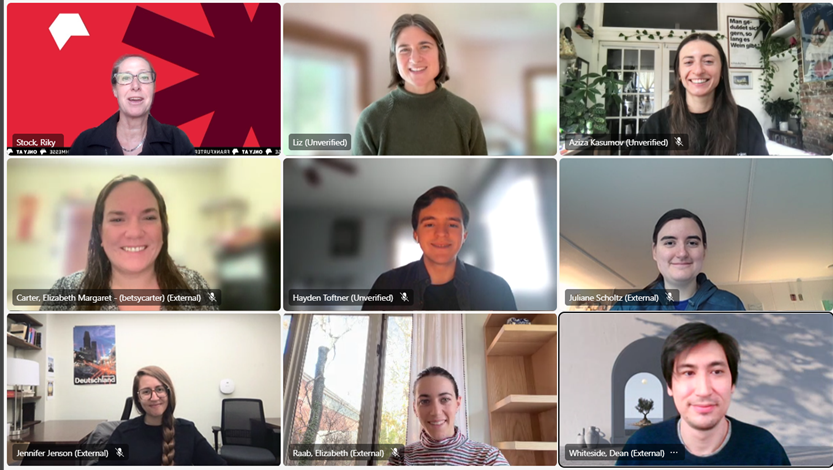
What happens when you gather young new voices in literary translation and challenge them to rethink a text together?
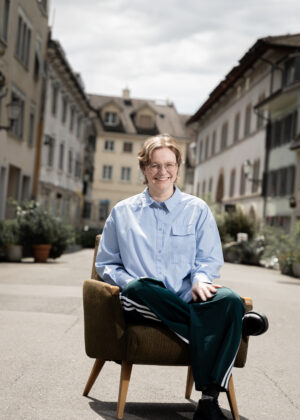
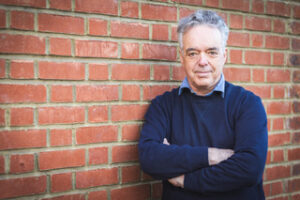
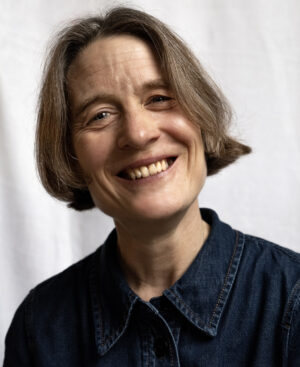
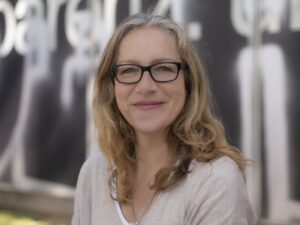
On November 15, Frankfurter Buchmesse, in collaboration with the Goethe-Institut New York, hosted a virtual workshop that brought together a select group of emerging translators—Juliane Scholtz, Elizabeth Raab, Betsy Carter, Hayden Toftner, Jennifer Jenson, and Aziza Kasumov. Over eight weeks, the participants tackled an excerpt from Sara Gmuer’s Achtzehnter Stock (Hanser Verlag), which is a Spring 2025 New Books in German pick, culminating in a dynamic discussion. The workshop was run by acclaimed translator Liz Lauffer.
The workshop’s format was interactive and inspiring. Each participant was asked to identify a paragraph from their translation that they found particularly challenging. What emerged was a fascinating array of different passages chosen by the translators, each reflecting their individual struggles and insights. As Hayden Toftner noted: “One of my main takeaways was seeing just how diverse the various approaches were. Even the simplest of sentences in the original text produced a wide range of English versions, with each carrying the touch of the individual translator.”
The spirit of collaboration was palpable as the translators discussed each other’s word choices, offering one another advice and solutions. For example, Elizabeth Raab was struck by the diverse interpretations of a German phrase she had struggled with: “I very much enjoyed the radically different solutions we all came up with… It was also refreshing to hear that others had similar issues in deciphering the meaning of and finding the ‘right’ translation of certain words and phrases.”

‘Eighteenth Floor’ is the story of a young single mother living in post-COVID Berlin who refuses to give up on her dream of being an actress. Sara Gmuer’s pacy novel addresses poverty in ways that make it hard to look away.
The novel is a relatable and poignant portrayal of single motherhood, artistic ambition, and what it means to be disenfranchised within society.
A highlight of the workshop was hearing from Rohan Kamicheril, Senior Editor at FSG and founder of Tiffin. Rohan brought an editorial lens to the proceedings. He encouraged translators to prioritize context and overall effect over strict literalism, likening translation to arranging a bouquet—where the final composition matters more than any single element. Kamicheril’s industry perspective and editorial strategies provided great insights for the translators. One of the suggestions Hayden Toftner took to heart was “the idea that translators try to produce a text that reads as if it was written in the target language, paying attention to aspects like natural phrasing.” Elizabeth Raab commented on how she appreciated Rohan’s feedback as a literary editor and “how closely Liz and Rohan read each of our translations and applied solutions each of us had come up with to offer alternatives to the samples being workshopped.”
For this group of translators, the workshop provided an opportunity to test ideas, learn from each other’s approaches, and see their own work through fresh eyes. Each participant left with new insights, practical strategies, and a sense of community that will shape their future projects. As Hayden Toftner reflected, “I learned so much by hearing from my fellow translators about their processes and being able to analyze a selection from each of their translations in depth.” Workshop leader Liz Lauffer added: “My hope is that this cohort will draw on the connections formed—whether it’s passing each other jobs, consulting on tricky bits, celebrating or commiserating with one another—and keep the flame lit.”
“Young literary translators are carving out some of the most exciting ground in contemporary literature by championing new voices and carrying emerging works into wider conversations. Under Elisabeth Lauffer’s expert guidance, these talented translators gained concrete strategies and practical advice for tackling the challenges of literary translation, working together to explore how to make informed choices, justify their decisions, and craft translations that reflect the energy and intent of the texts they are interpreting. Witnessing their commitment, insightfulness, and imagination gives us hope for the future of literature in translation.”
Dean Whiteside, Goethe Institut New York
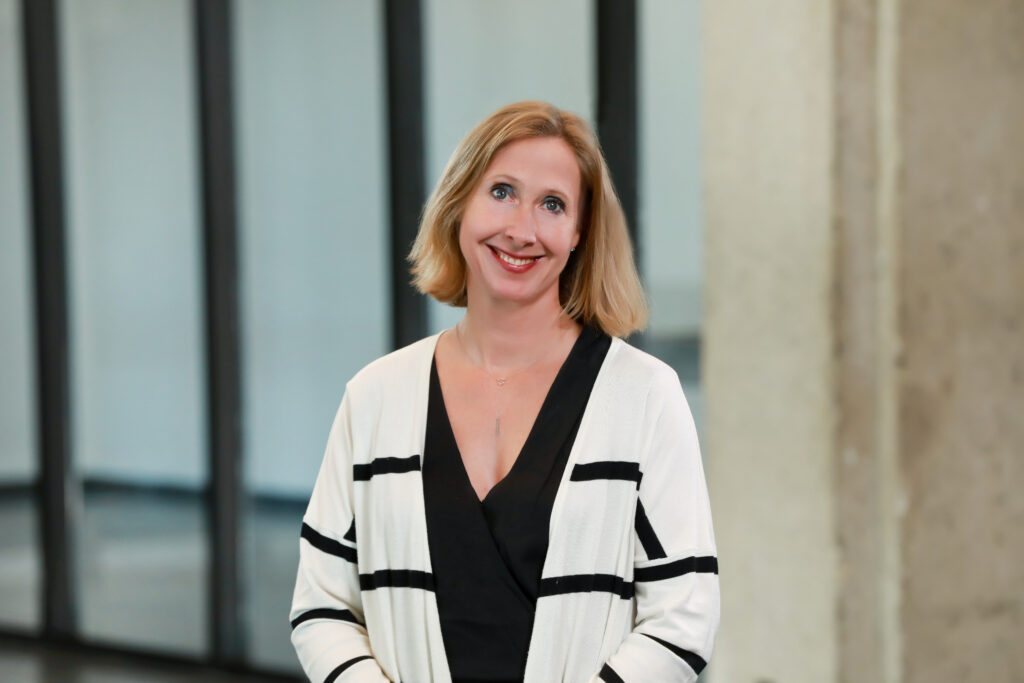
Riky Stock. V.P. Business Development U.S, Frankfurter Buchmesse, ran the German Book Office (which became part of Frankfurt Book Fair New York) from 2002- 2020 and was Managing Director at NorthSouth Books from 2021-2023. Since 2023 she is representing Frankfurter Buchmesse in the United States . Riky Stock currently serves on the USBBY Outstanding International Books committee.