This regular page brings you a selection of German-language titles that have just been, or are soon to be, published in English.
We cover fiction, crime, nonfiction, children’s and YA, short stories, poetry and dramatic arts.
Clicking the ‘Enjoy in English’ tag above or here will bring up older editions of this page.
Fiction
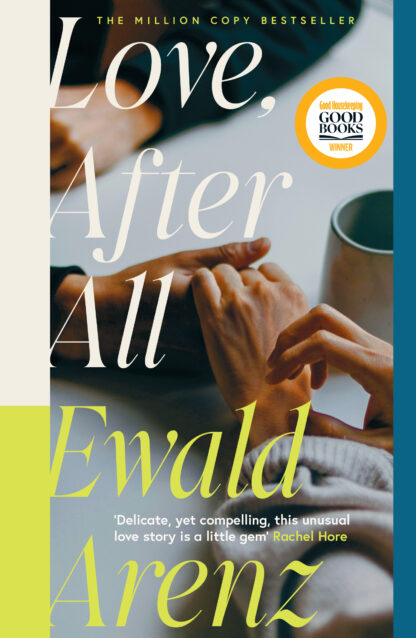
Translated by Rachel Ward
Orenda Books, June 2026
***WINNER of Good Housekeeping Good Books Award***
When widowed Clara meets younger Elias, neither expects love to last – then distance and illness test their fragile happiness. A life-affirming, million-copy German bestseller from the author of Tasting Sunlight.
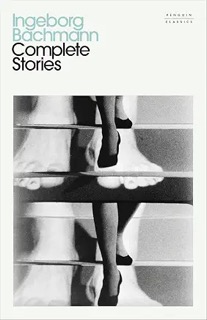
The Complete Stories by Ingeborg Bachmann
Translated from German by Philip Boehm and Tess Lewis
With a contribution by Claire-Louise Bennett
Penguin Books, October 2026
Complete Stories spans three decades of work from one of the most important German-language writers of the last century. Each of these short stories, beautifully translated by Philip Boehm and Tess Lewis, depict people at a crossroads, facing decisions about life, truth, love, and death. In addition to the collections “Three Paths to the Lake” and “The Thirtieth Year,” this volume includes many stories that have never appeared in English before.
In this collection, we find Ingeborg Bachmann exploring the limits of language and experience, grappling with the maladies of modern civilization, with love and sex, with patriarchy and its brutalities: “Where does fascism begin? It doesn’t begin with the first bombs that were dropped. It begins in relationships between people. Fascism lies at the root of the relationship between a man and a woman….”
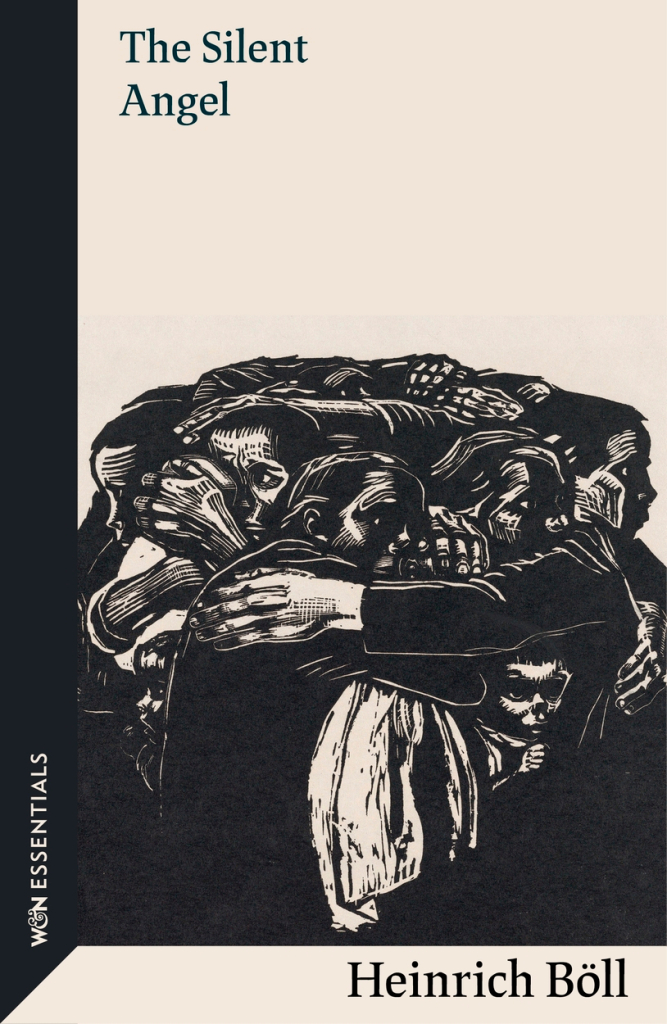
The Silent Angel by Heinrich Böll
Translated by Breon Mitchell
W&N Essentials, November 2026
May, 1945. Carrying the coat of a comrade who died in his place, German soldier Hans Schnitzler wanders the bombed-out streets of Cologne.
In search of the dead man’s widow, he meets a woman as lost and grief-stricken as himself. At first, the two strangers envy the dead and struggle to imagine a future in their shattered world. But slowly, they begin to find solace in each other – until they realise, together in a ruined apartment without food or family, that they have found a final, flickering ember of hope.
Unpublished during his lifetime and recovered decades after his death, Heinrich Böll’s first novel is now hailed as one of the most important works of trümmerliteratur (literature of the ruins) as well as a testament to the German Nobel Prize-winner’s extraordinary genius.
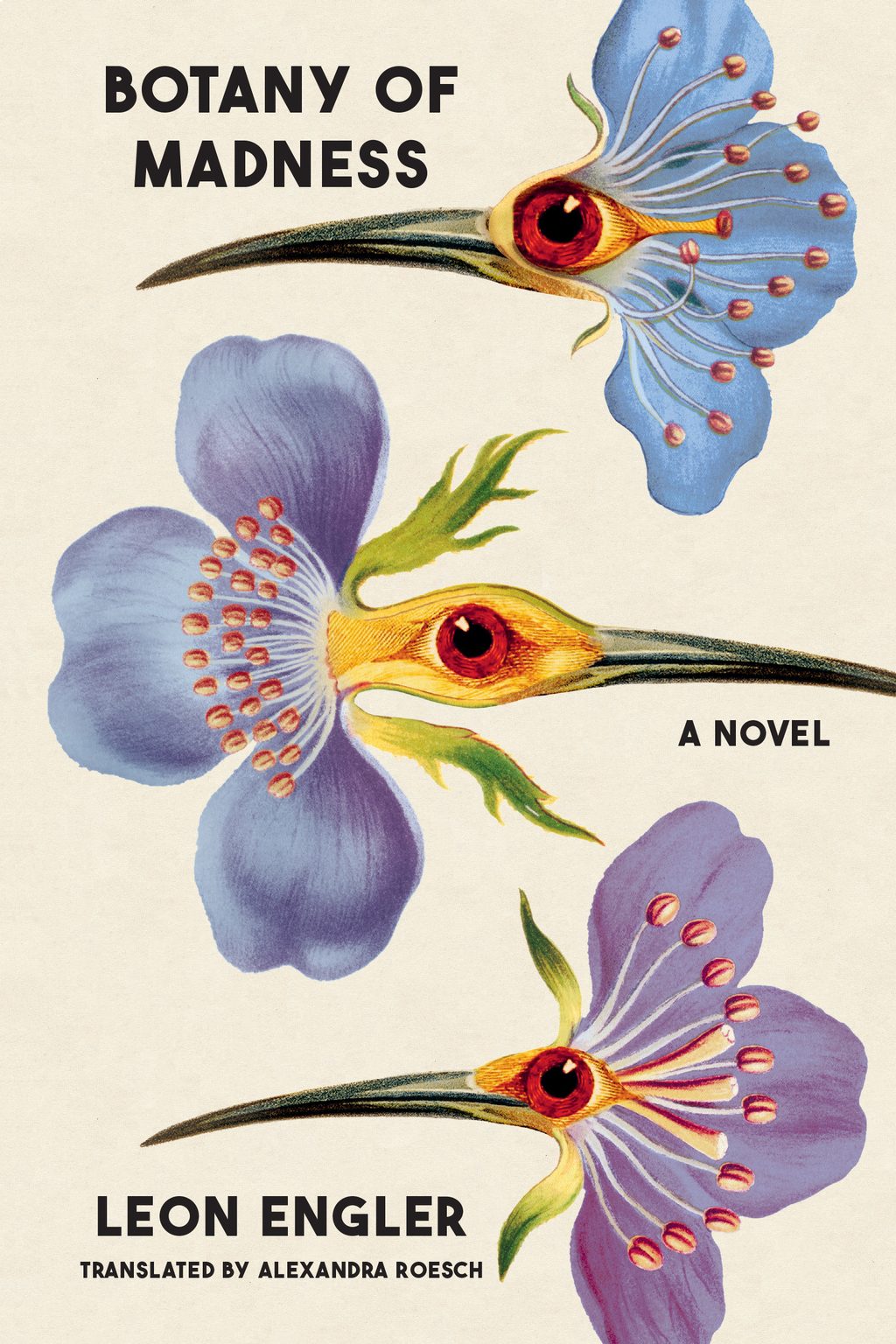
Botany of Madness by Leon Engler
Translated by Alexandra Roesch
New Vesell Press, November 2027
Read our original recommendation
Read our interview with Leon Engler
A young man is gripped by one fear: that he’ll lose his mind. In his family, mental illness has shaped lives for generations, and psychiatric wards have become almost a rite of passage. His battle to avoid inheriting his grandmother’s suicidal behavior, his mother’s bipolar disorder, or his father’s bouts with alcoholism and depression spurs him to flee Germany for New York, via Paris and Vienna, only to end up in just the kind of mental institution that so terrified him. But he works there as a psychologist rather than undergo treatment as a patient himself, and learns that a person is always more than a diagnosis. This picaresque novel, a potent blend of memoir and fiction, becomes a compassionate tale of reconciliation whereby the protagonist is forced to confront the question he has avoided all his life: What is normal?
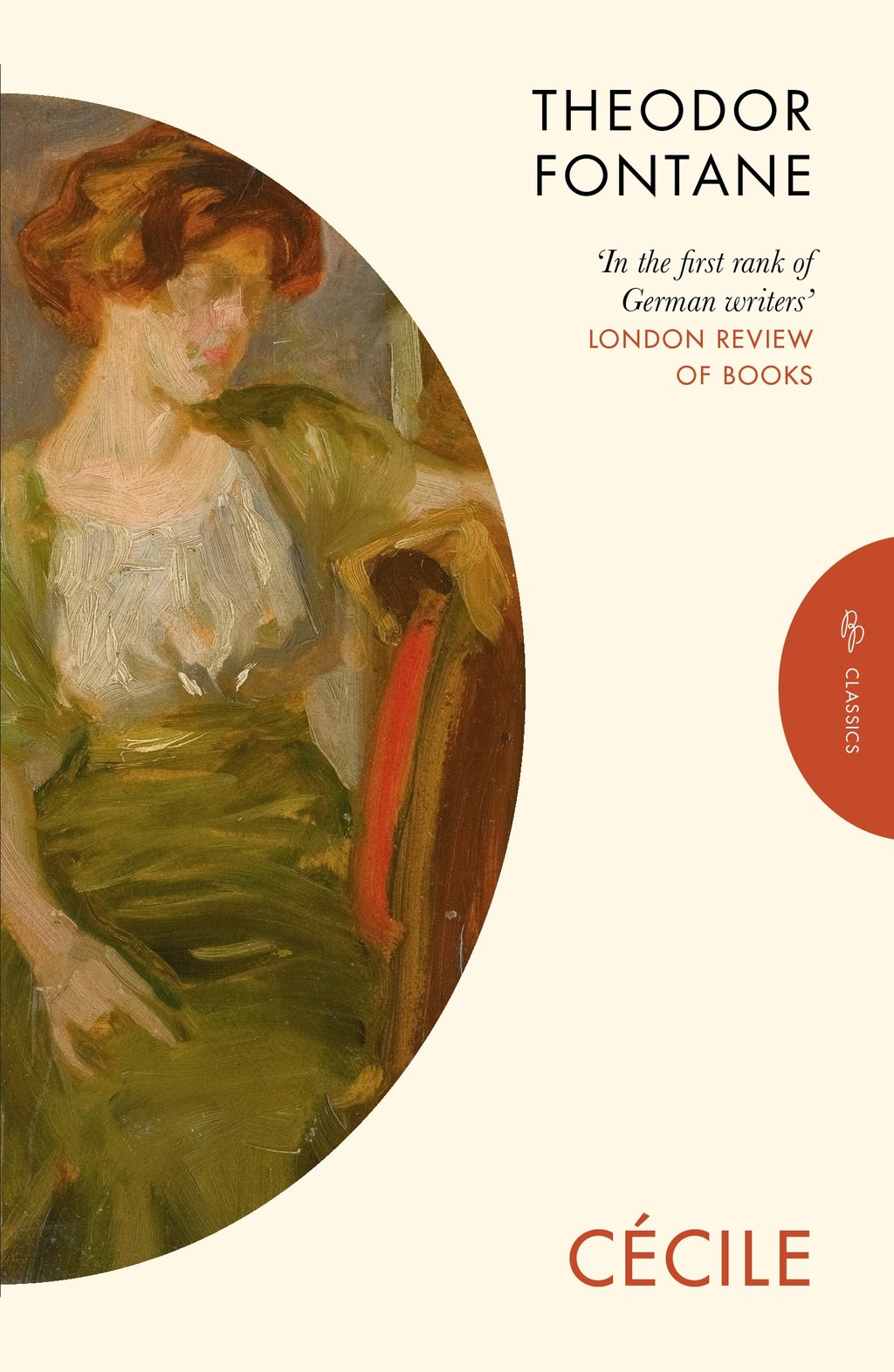
Translated by Stanley Radcliffe
Pushkin Press, November 2026
On holiday at a fashionable German spa, young civil engineer Herr von Gordon meets Colonel von St Arnaud and his younger wife, the beautiful Cécile. Gordon is drawn to this elegant and melancholy woman, who seems to hold herself at a distance from her husband. As he and the married pair tour local attractions and enjoy the scenery of the Harz Mountains, he finds himself ever more fascinated by Cécile – and by the mystery surrounding her past.
As Gordon and Cécile grow closer, her husband’s jealousy, the gossip of polite society, and the secrets of the past converge. When they meet again in Berlin society, the attraction between the two young people will have tragic consequences for all.
A challenge to societal conventions, a portrait of a complex woman and a biting send-up of early tourist culture, Fontane’s novel is an elegant, ironic and moving classic of 19th-century realist fiction.
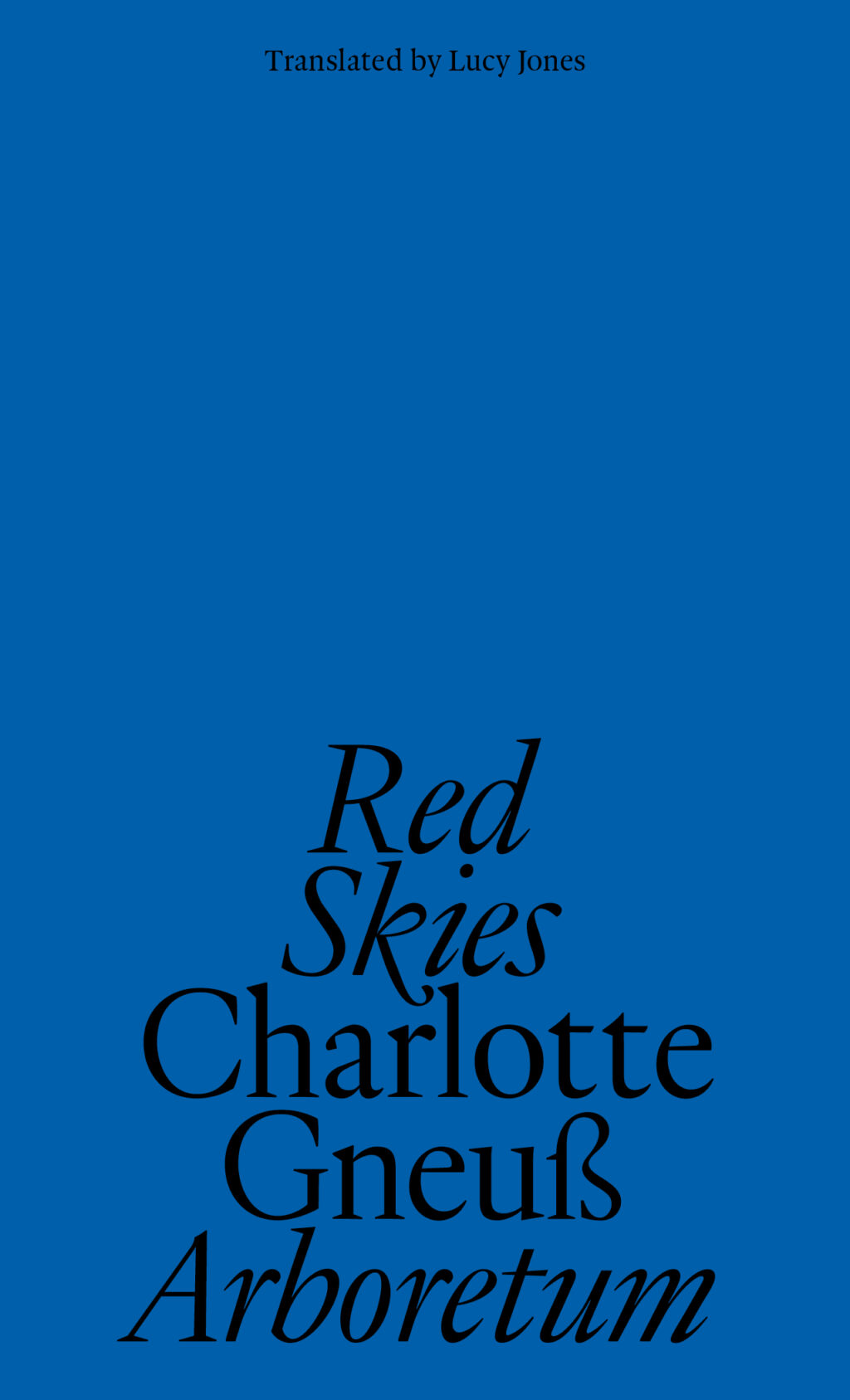
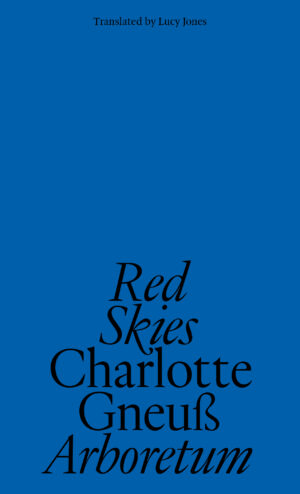
Red Skies by Charlotte Gneuss
Translated by Lucy Jones
Arboretum, October 2026
Read our original recommendation here
Read our interview with Lucy Jones on translating this book here
In her searing debut novel, Charlotte Gneuss tells us stories from a country that no longer exists and asks whether innocence in a totalitarian state is possible. Her literary thriller is set in the former East Germany, in the Dresden suburb of Gittersee – a gripping debut from a new talent on the German literary scene.
Katrin Köhler is 16, experimenting with red lipstick and in love with Paul, an art school dreamer with a motorbike. But it’s 1976 in the former GDR, Karin’s parents’ marriage is on the verge of collapse as is the family’s Škoda, and Karin juggles school and her romantic life with caring for her toddler sister. When Paul’s road trip adventure leads to his disappearance, two policemen turn up at the family’s door and Karin, under suspicion and under pressure, becomes embroiled in a confusing web of misleading information. Unsure who she can trust, she has to navigate tense situations in which her double life threatens to unravel.
Winner of the Aspekte Literary Prize 2023
Winner of the Literary Prize of the Jürgen Ponto Foundation 2023
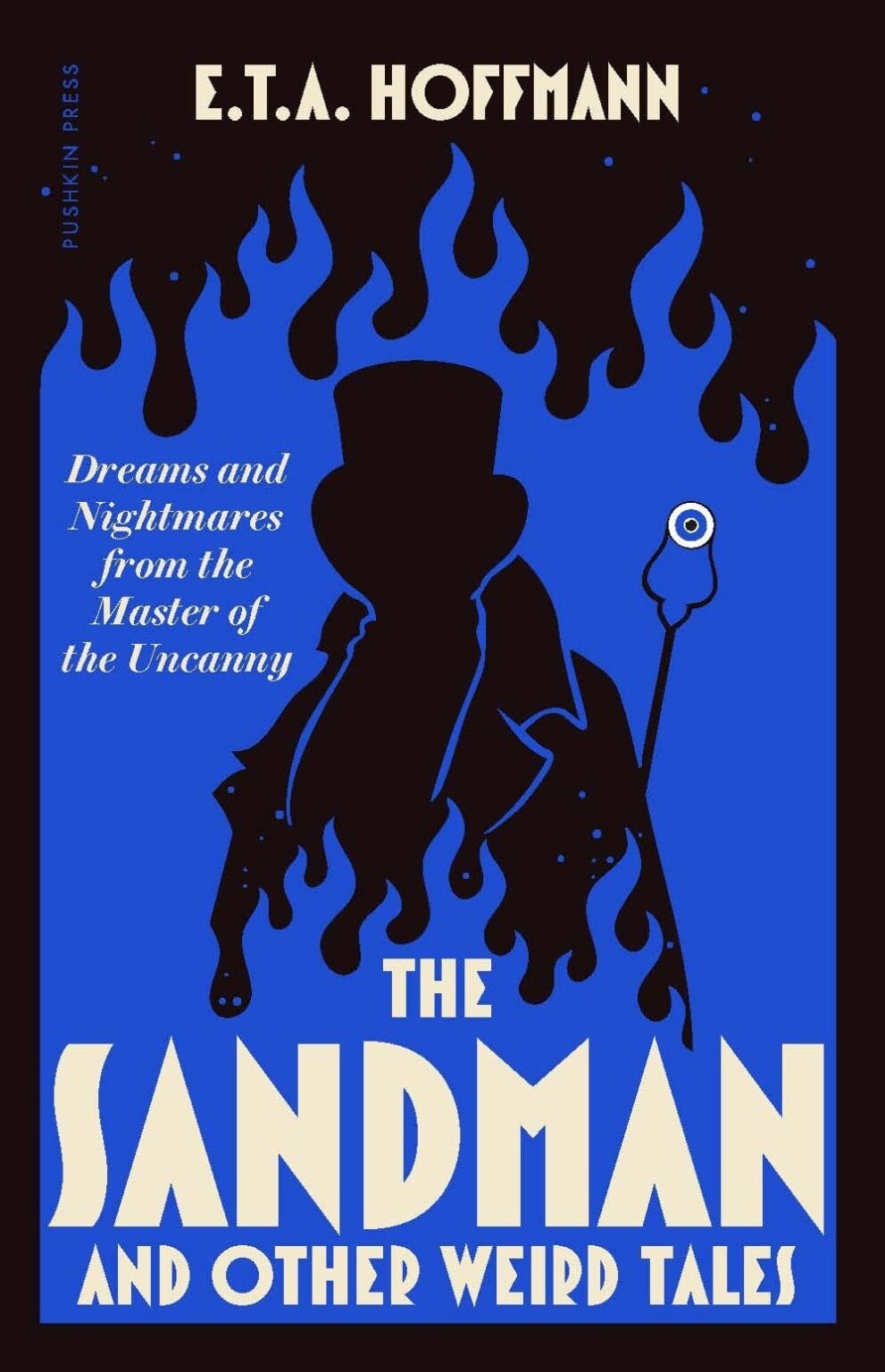
The Sandman And Other Weird Tales by ETA Hoffman
Translated by J.T. Bealby, Thomas Carlyle
Pushkin Press, September 2026
This collection of three uncanny tales highlights the best of a 19th-century German author who is seen by many as the father of modern sci-fi and fantasy. In “The Sandman”, young Nathanael grows up terrified of a legendary figure who will steal his eyes if he’s caught out of bed at night – but it’s only when Nathanael has grown to adulthood, seemingly settled and happy, that the full, terrifying truth unfolds. A living doll, a series of doppelgangers, and the seeds of madness combine in this classic story of self-destruction.
“The Cremona Violin” also deals with obsession and thwarted desire, this time between an overbearing father and a musically talented daughter who may die of heart failure if she unleashes the full power of her extraordinary voice. Suppressed passion and possessive control prove a fatal mix in this powerful and claustrophobic story. “The Golden Pot”, meanwhile, is a novella-length tale which Hoffmann believed was his masterpiece. Disturbing, exciting and dream-like, it introduces us to the bumbling Anselmus, whose romantic tribulations are complicated by a witch’s curse and the fact that he’s in love with a girl who also happens to be a snake.
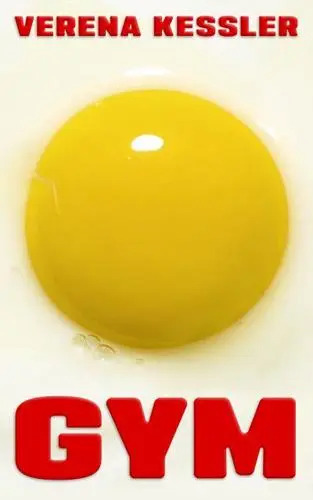
Translated by Lucy Lee Jones
Pan Macmillan, February 2027
A sweat-slicked, painfully funny novel about obsession, ambition and a woman’s doomed attempt to run from herself.
A woman walks into a gym and lies to get a job.
The gym is a palace of possibility. Here she can transform and start a new life, away from emails and presentations and stressful promotions.
And she can finally get her probation officer off her back.
When people start asking questions, she finds herself pushed to her limits again. A little lie can tumble into a big one, and we can never really escape who we are.
But you can get through anything when there’s no line you wouldn’t cross.
It’s just a question of willpower.
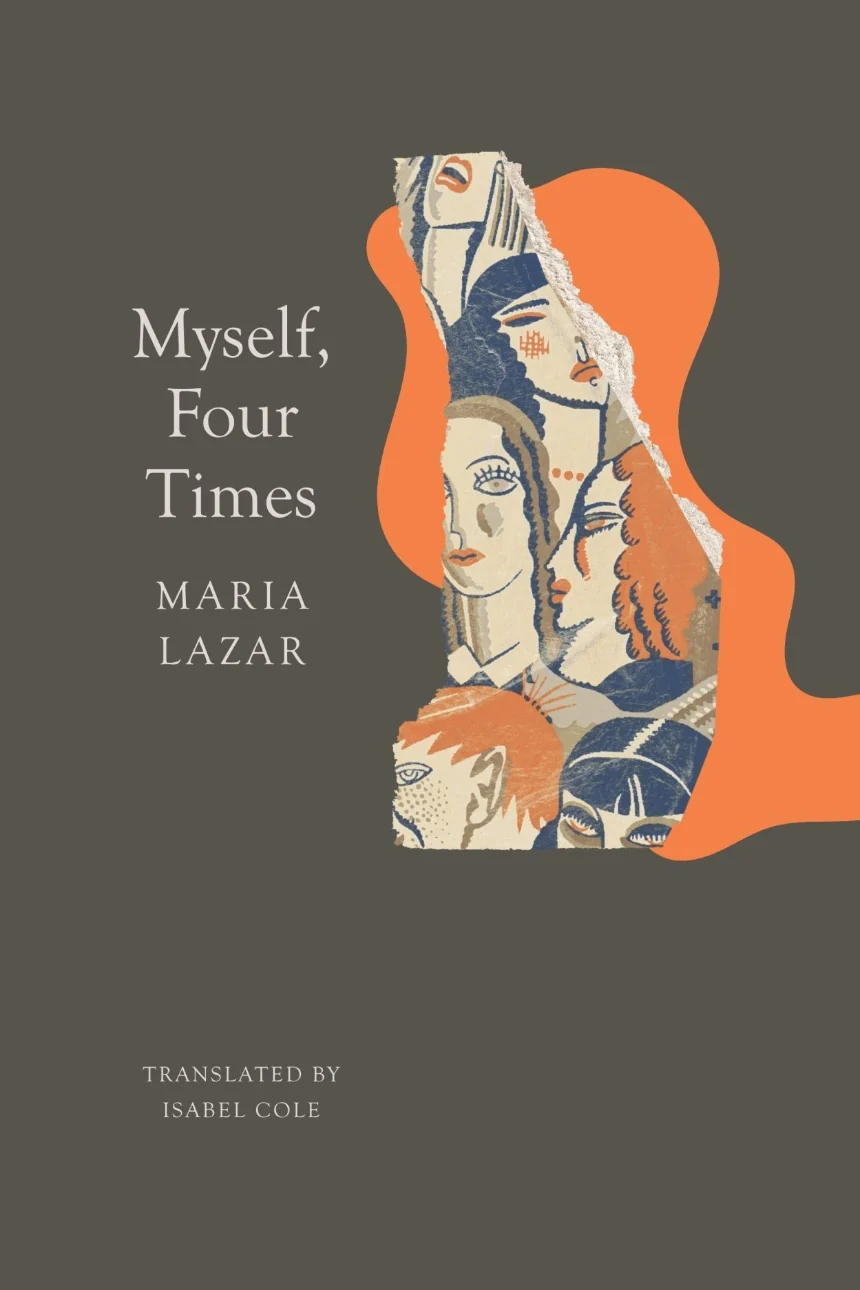
Myself, Four Times by Maria Lazar
Translated by Isabel Fargo Cole
Seagull Books, November 2026
Read our original recommendation here
Read our interview with Seagull Books here
Read our interview with Das vergessene Buch, publisher of the German original, here
Long unpublished and presumed lost, Myself, Four Times reveals Maria Lazar as a bold, psychologically acute feminist writer whose work deserves a central place in twentieth-century European literature.
Myself, Four Times is a rediscovered novel of friendship, desire, and self-invention by Maria Lazar (1895–1948), one of the most incisive and unjustly neglected voices of interwar Austrian literature. Written in Vienna in the late 1920s but never published in Lazar’s lifetime, the novel appears now for the first time, drawn from her literary estate.
With psychological acuity and social sharpness, Myself, Four Times captures both the exhilaration and the cost of female solidarity. Its long suppression mirrors Lazar’s own fate: a celebrated writer forced into exile by Nazism, silenced after she died in 1948, and only recently reclaimed as a major figure of twentieth-century European literature.
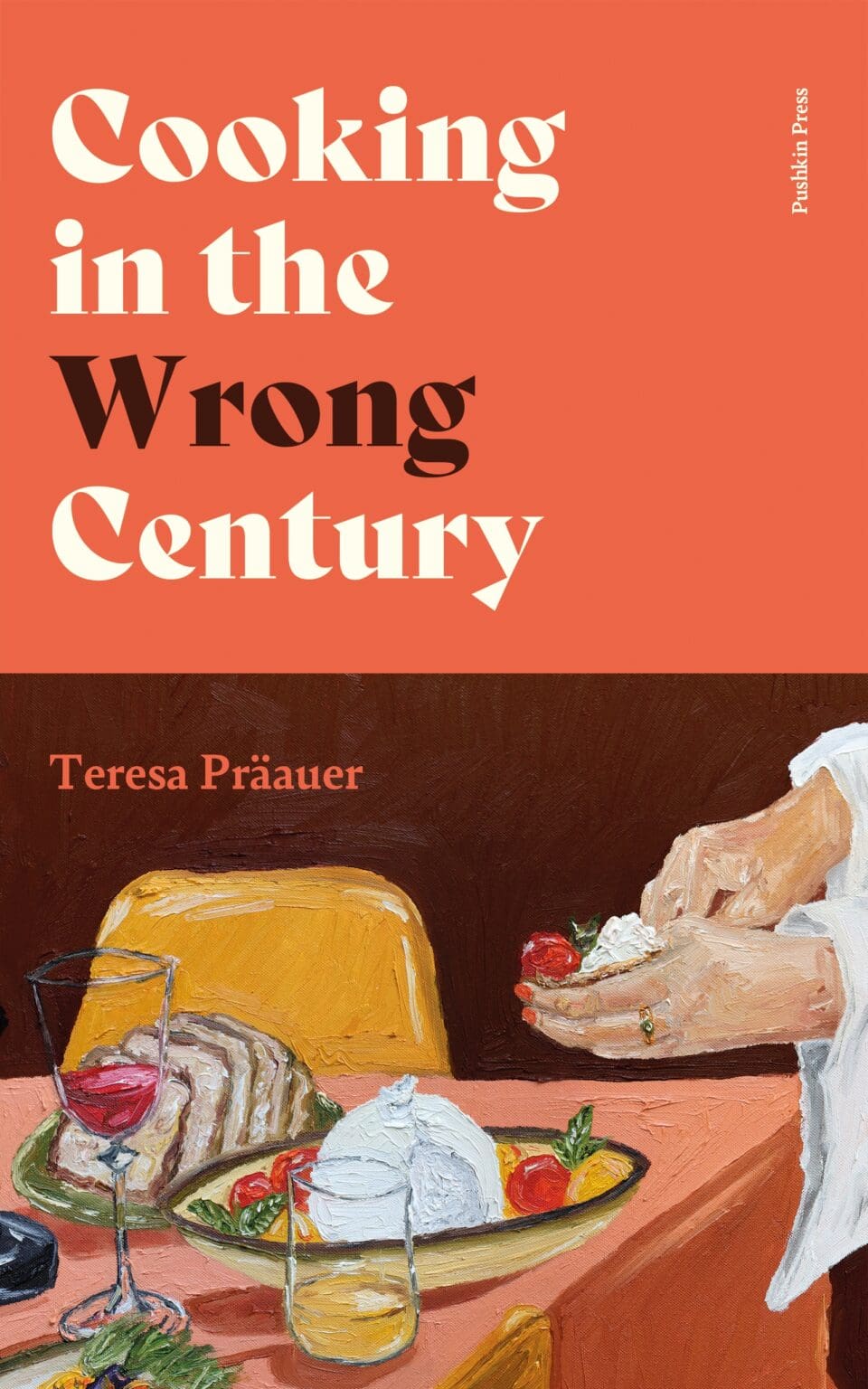
Cooking in the Wrong Century Teresa Präauer
Translated by Eleanor Updegraff
Pushkin Press, May 2025
An evening of perfect preparation. A night of uninvited chaos.
In her stylish apartment, the hostess is hard at work. She folds linen napkins, arranges wildflowers and cues up algorithmically chosen soft jazz to project an effortless cool.
Every detail is chosen with care, which makes it all the more galling when her guests arrive late and already drunk. As small talk becomes slurred confessions and lost inhibitions, the hostess struggles to maintain control over an evening far beyond her wildest imaginings.
The breakout hit about a dinner party that goes deliciously wrong.
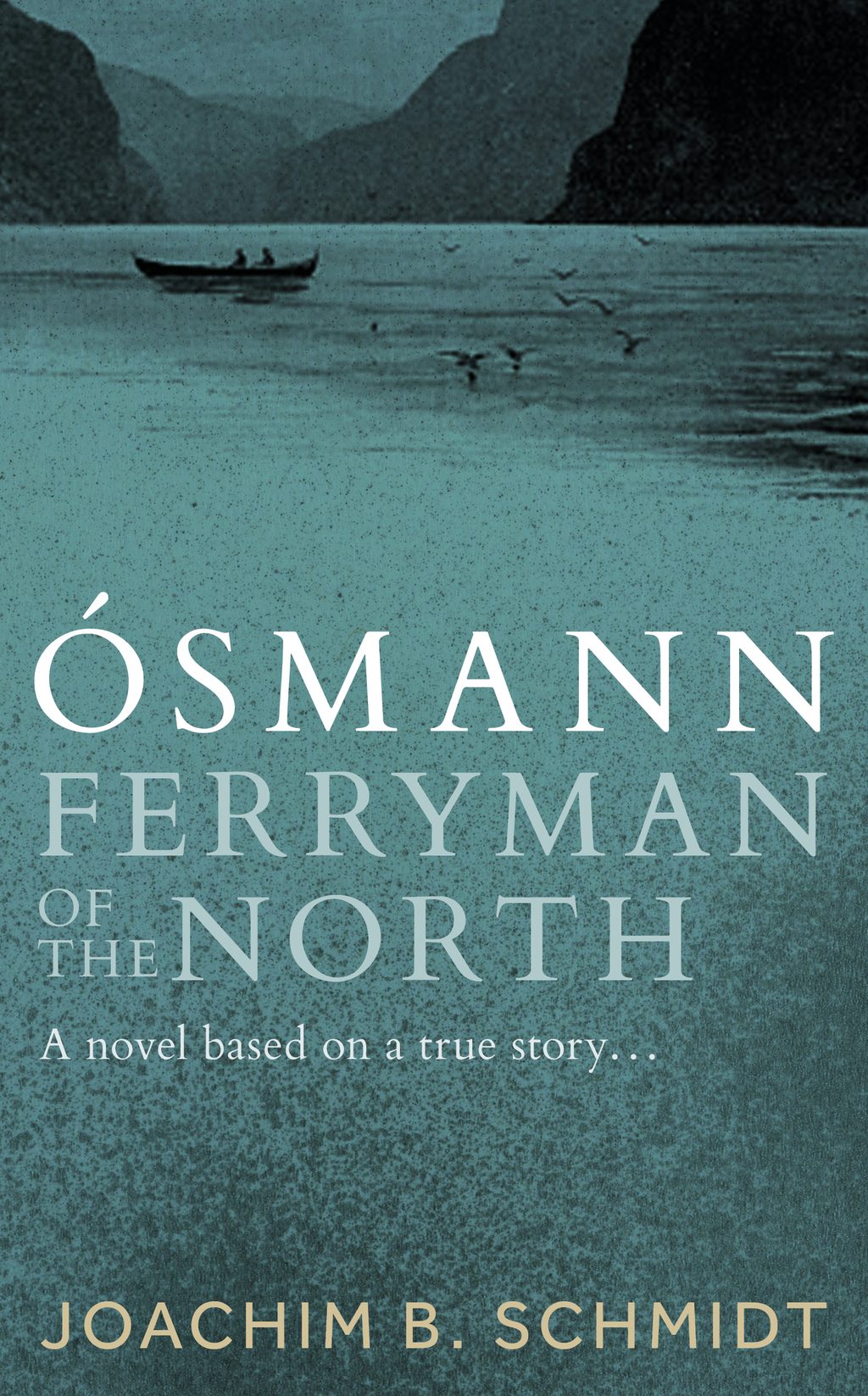
Translated by Jamie Lee Searle
Labyrinth Press, an imprint of Bitter Lemon Press, February 2027
Read our original recommendation
In Ósmann, Ferryman of the North, Joachim B. Schmidt delivers his most accomplished novel to date: a luminous work of historical fiction inspired by the true life of Jón Magnússon Ósmann (1862–1914), the legendary ferryman of Skagafjörður. In lyrical, myth-infused prose, Schmidt portrays love, loss and resilience on a remote northern fjord.
It confirms Schmidt — already well known to English-language readers for the Kalmann
novels — as one of the most distinctive voices in contemporary European fiction.
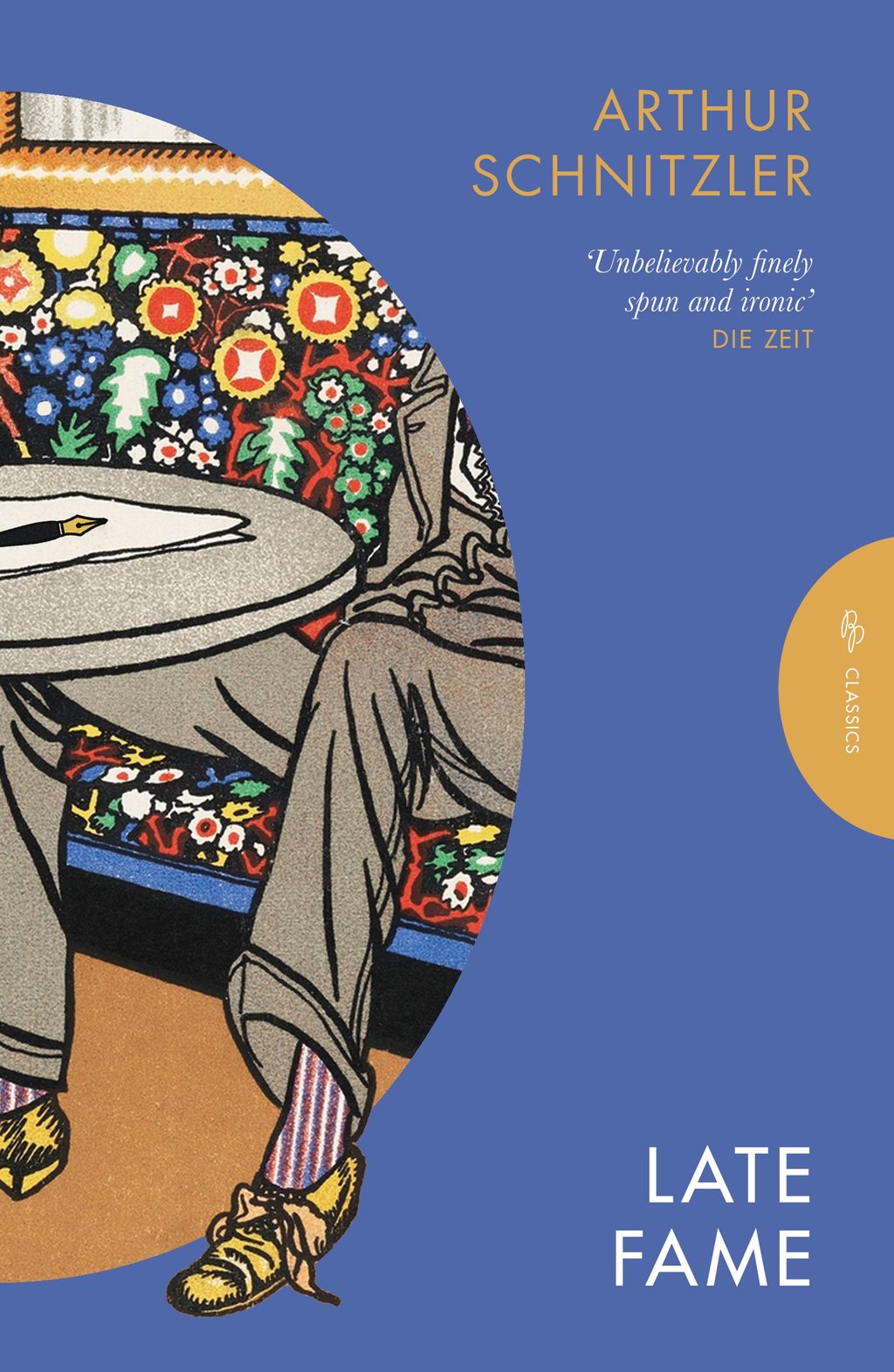
Late Fame by Arthur Schnitzler
Translated by Alexander Starritt
Pushkin Press, September 2017
A lost classic rediscovered, and adapted for film, starring Willem Dafoe and Greta Lee
One seemingly ordinary evening, Eduard Saxberger arrives home to find the fulfilment of a long-forgotten wish in his sitting room: a visitor has come to tell him that the youth of Vienna have discovered his poetic genius. Saxberger has written nothing for thirty years, yet he now realises that he is more than merely an Unremarkable Civil Servant, after all: he is a Venerable Poet, for whom Late Fame is inevitable – if, that is, his new acolytes are to be believed…
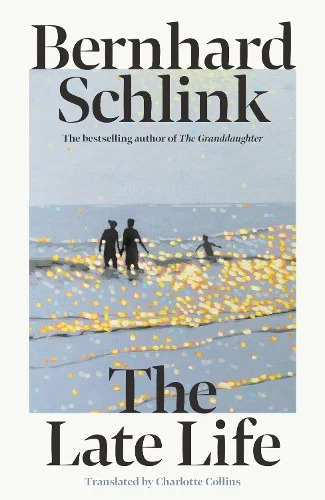
The Late Life by Bernhard Schlink
Translated by Charlotte Collins
Weidenfeld & Nicolson, October 2026
What can death teach us about life?
‘A remarkable late-life achievement’ Aachener Zeitung
‘A profound discussion on life and death’ SRF
At seventy-six, Martin is devoted to his family life with his young wife and six-year-old son when he suddenly learns that he has only a few months to live. Shocked, he searches for answers, wrestling with his feelings and existential questions about his legacy, the meaning of his love and what can be achieved in the short time he has left. Martin wants to do everything right, but later life is full of surprises and unforeseen challenges that he must face.
The Late Life is a story of navigating family, guilt, love and loss from Bernhard Schlink, one of the most masterful novelists of our age.
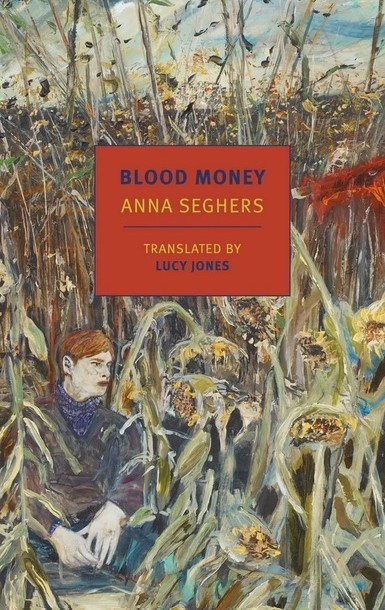
Translated by Lucy Lee Jones
NYRB, September 2026
It’s the summer of 1932, and Johann Schulz is accused of killing a police officer during a demonstration. Wanted for murder, Schulz leaves the city to seek shelter with his relatives in a small village on the Rhine. But the Nazis are beginning to recruit there, and it’s only a matter of time before the price on his head is too great a temptation for the villagers.
Blood Money, a novel of suspense and political upheaval, tracks the nascent rise of the Hitler movement in a German village: the old farmers disinterested, then capitulating; the young entranced by the promise of action and the rare chance at advancement. Anna Seghers began writing Blood Money in 1932 and completed it in exile a year later, after she was blacklisted in Germany and forced to leave. In this prescient novel, Seghers’s dispassionate realism opens our eyes to the massive dimensions of the impending political and moral collapse.
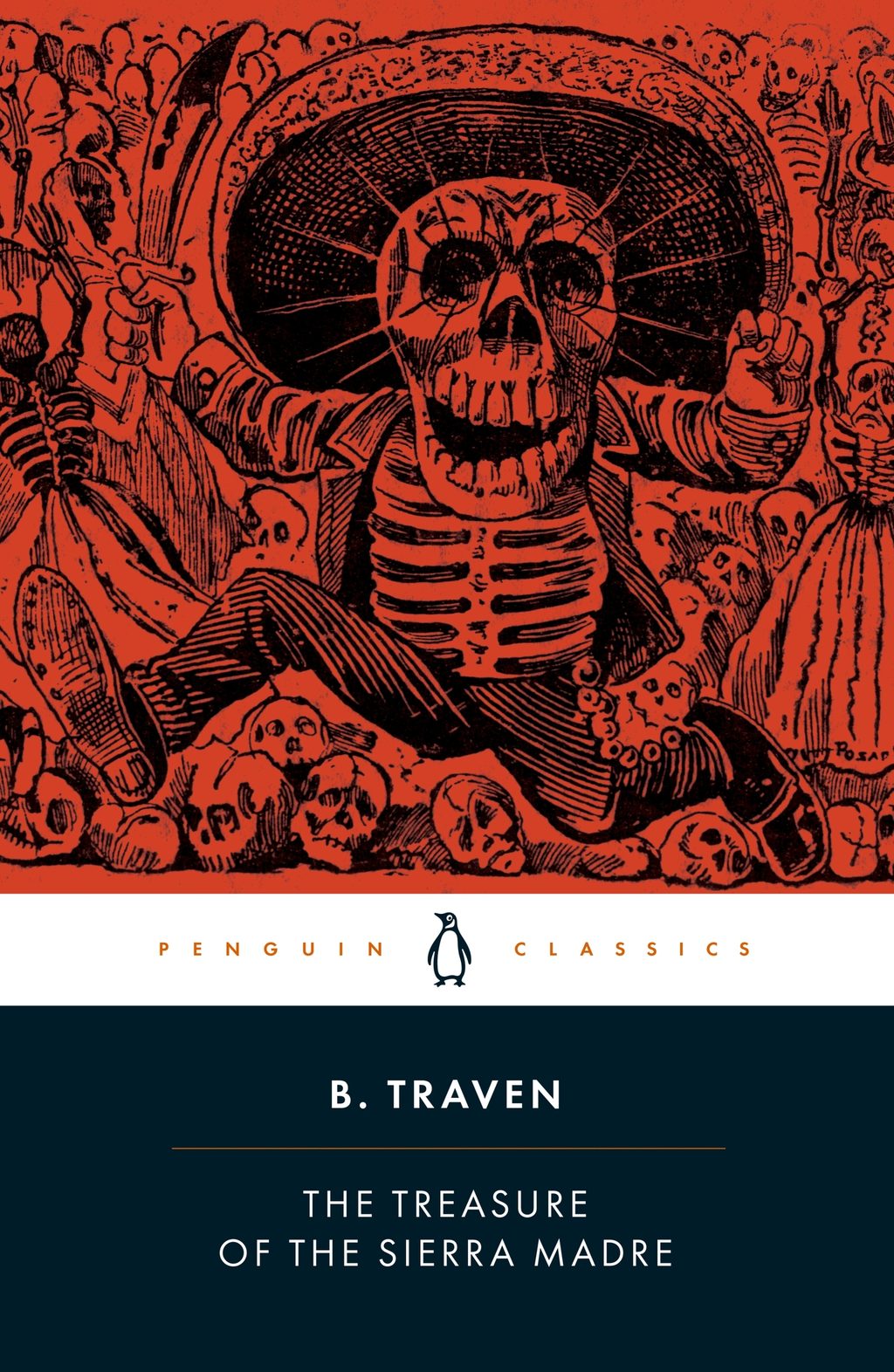
The Treasure of the Sierra Madre by B. Traven
Penguin Classics, August 2026
Three desperate prospectors embark on a perilous quest for gold in 1920s Mexico
‘Gold is a very devilish sort of a thing, believe me, boys’
Deep in the wild heart of Mexico’s Sierra Madre mountains lies treasure beyond reckoning, just waiting to be found by those who know where to look. Or so believe three Americans – Dobbs, Curtin and Howard – down on their luck and desperate for a way out. Teaming up on a perilous quest to hunt for gold, they soon find their fragile alliance tested, both by a band of local outlaws, and by their own greed. First published in 1927 and made into a classic film by John Huston, The Treasure of the Sierra Madre is a savagely ironic, anarchic cult novel about the price of ambition and the limits of endurance.
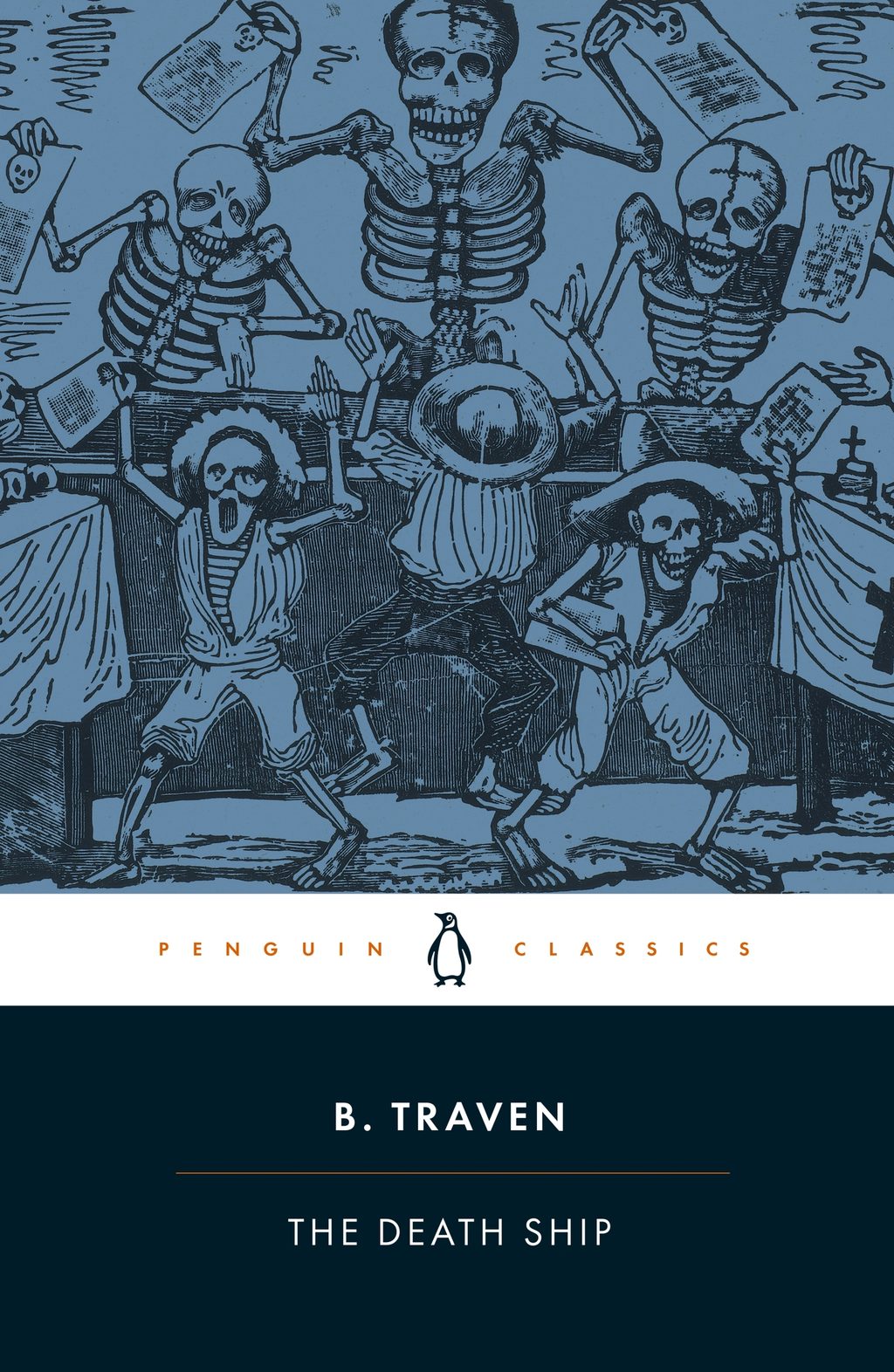
Penguin Classics, August 2026
A cult masterpiece and a darkly comic tale of survival on the high seas
Whoever survived the Yorikke could never be frightened any more during his lifetime by anything
Stateless and stranded after he loses his passport, sailor Gerald Gales flees arrest and persecution across Europe, until he finally finds work on the Yorikke, a decrepit ‘death ship’ bound for destruction. Condemned to stoke the furnaces, Gales must navigate a labyrinth of surreal rules and the brutal realities of life at sea if he is to make it out alive. First published in 1926 and thought to bear the traces of the mysterious author B. Traven’s own experience of migrating to Mexico, The Death Ship is a darkly absurd, raging tale about what it takes to survive when life is cheap.
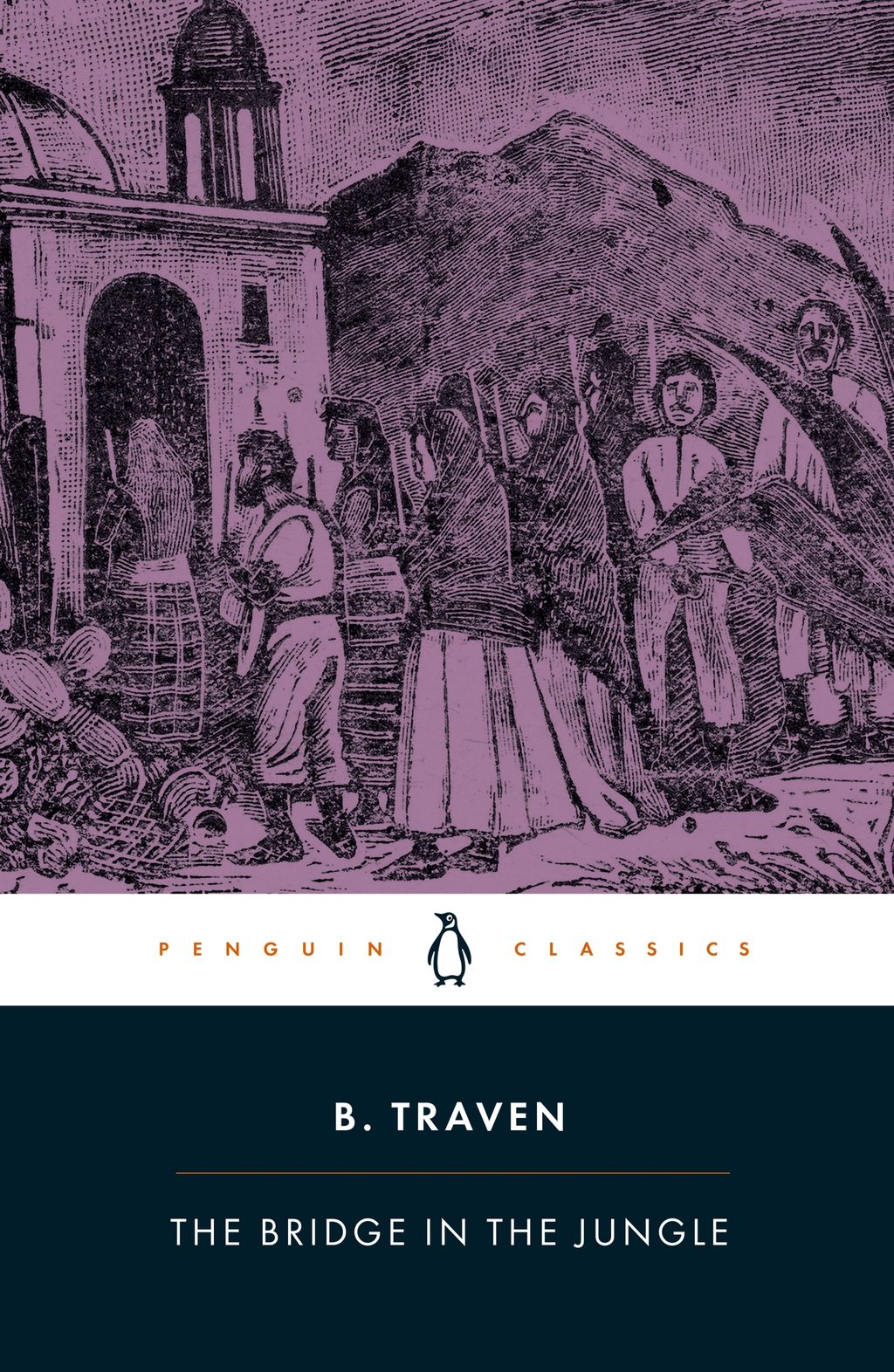
The Bridge in the Jungle by B. Traven
Penguin Classics, August 2026
A moving portrayal of loss, consolation and belonging in a remote community
It seemed that even the jungle fell silent for a moment as if it wanted to help save a little child
In the depths of the Mexican jungle, American traveller Gerard Gales is hunting for alligators, when he comes across a small village along the banks of the Huayalexco. Invited into the local community, Gales joins a huge party, held just across the river. But tragedy strikes when a young boy suddenly disappears into the pitch-dark night. As the villagers grapple with their loss, they come together in the face of life’s harshest realities, and something unspoken is born. A work of vivid description and radical empathy, Traven’s 1929 novel is a moving portrait of consolation and belonging in a remote indigenous community.
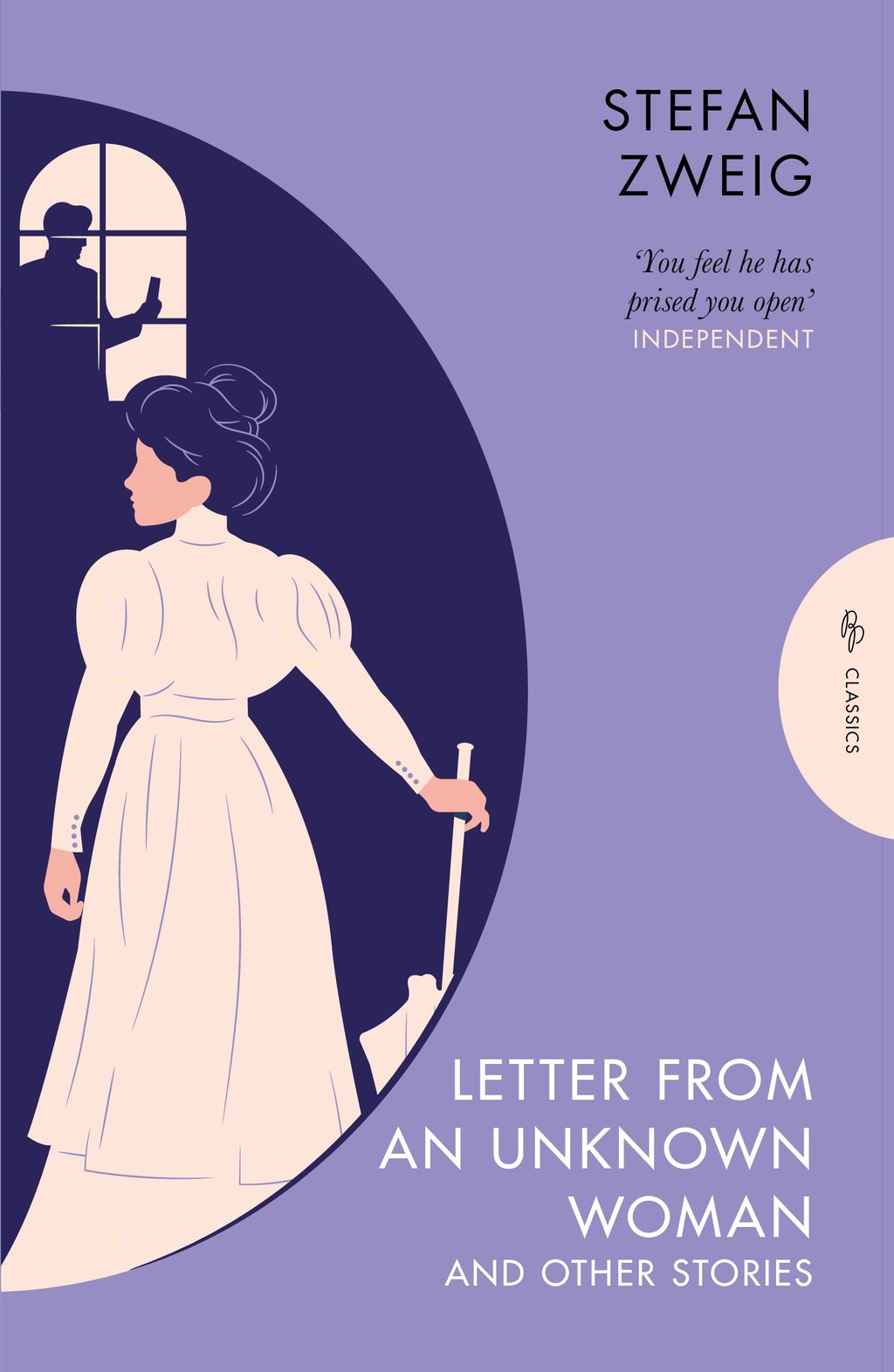
Letter from an Unknown Woman by Stefan Zweig
Translated by Translated by Anthea Bell
Pushkin Press, July 2026
Stefan’s Zweig’s Letter from an Unknown Woman and other stories contains a new translation by the award-winning Anthea Bell of one of his most celebrated novellas, Letter from an Unknown Woman, the inspiration for a classic 1948 Hollywood film by Max Ophüls, as well as three new stories, appearing in English for the first time.
A famous author receives a letter on his forty-first birthday. He doesn’t know the sender, but still the letter concerns him intimately. Its story is earnest, even piteous: the story of a life lived in service to an unannounced, unnoticed love.
In the other stories in this collection, a young man mistakes the girl he loves for her sister; two erstwhile lovers meet after an age spent apart; and a married woman repays a debt of gratitude. All four tales, translated by the award-winning Anthea Bell, are among Zweig’s most celebrated and compelling work – expertly paced, laced with empathy and an unwaveringly acute sense of psychological detail.
Crime
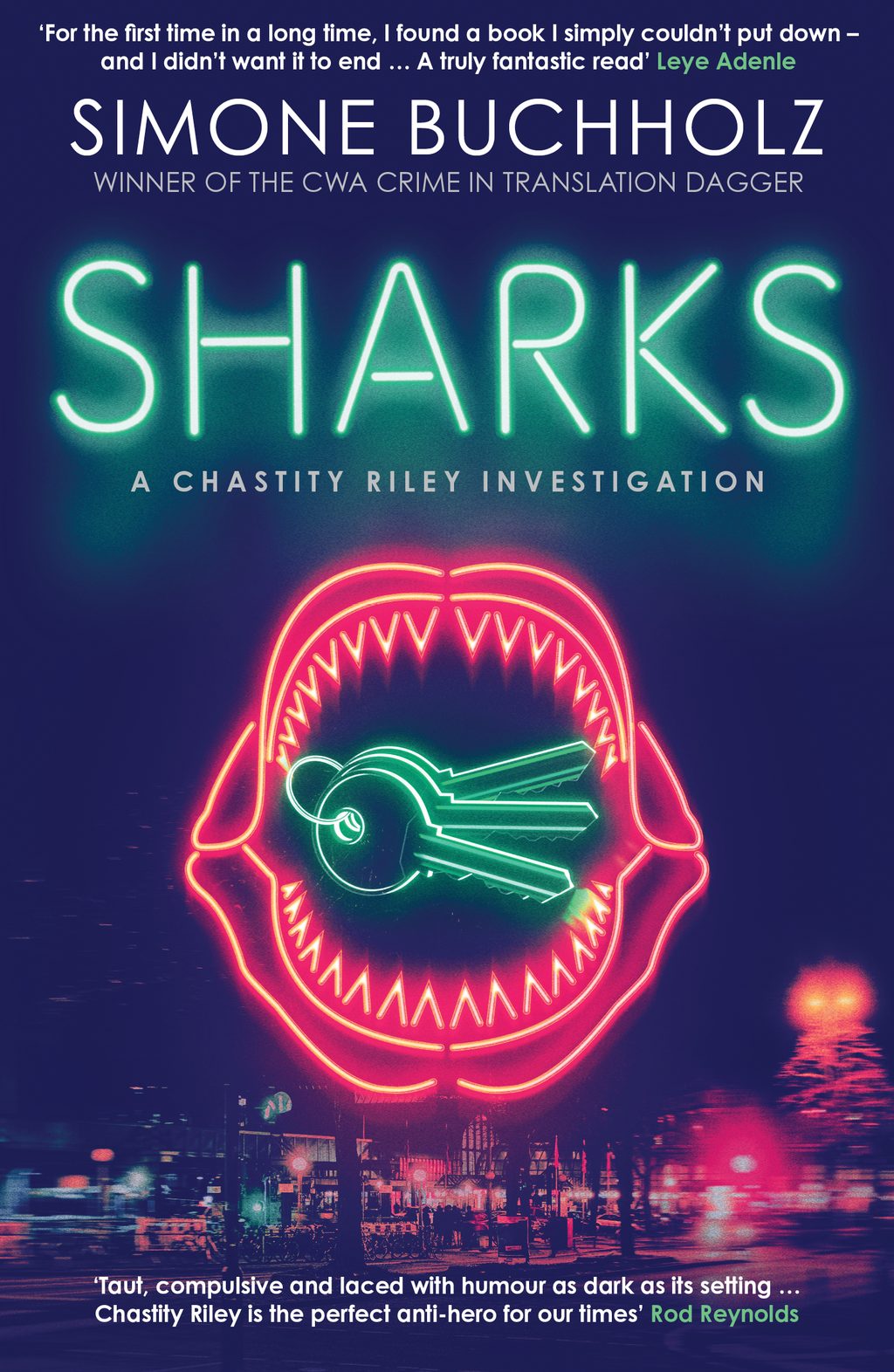
Translated by Rachel Ward
Orenda Books, February 2026
In Wilhelmsburg, Hamburg’s so-called ‘problem area’, an American couple is found brutally murdered in a derelict house.
Prosecutor Chastity Riley is assigned the case, and quickly finds herself waist-deep in a murky tangle of city planners, shady investors and vanishing officials. The gentrification machine is rolling on, and someone is sending a very clear message.
Dark, caustic and piercing, Sharks is a searing investigation into greed, power, and the price of resistance in a city devouring itself, from one of Germany’s finest, most original crime writers.
Nonfiction
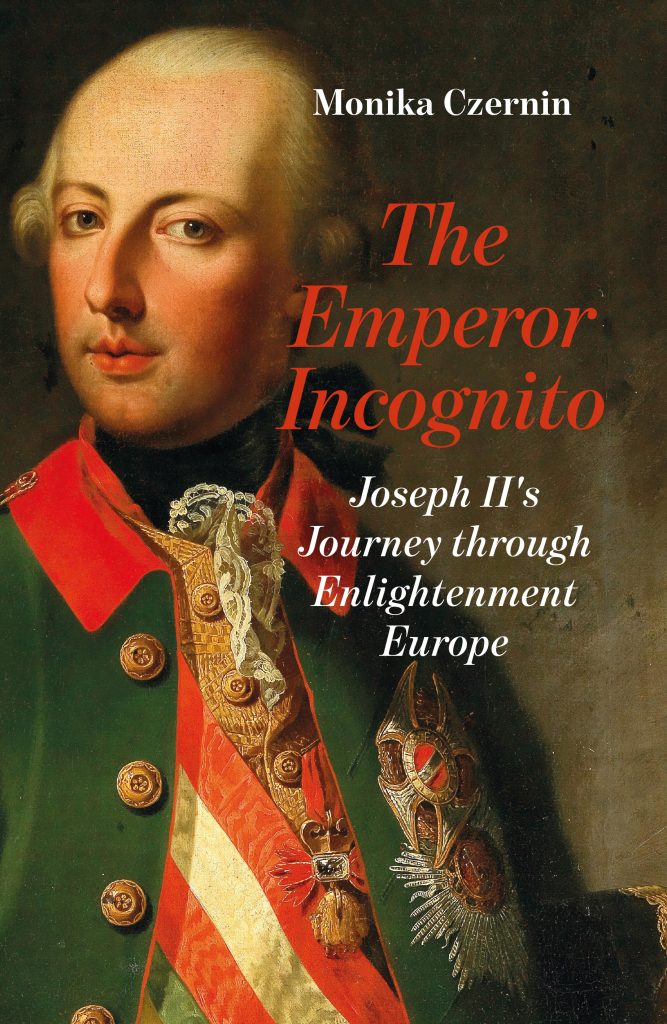
The Emperor Incognito Joseph II’s Journey through Enlightenment Europe by Monika Czernin
Translated by Jamie Bulloch
Haus Publishing, April 2026
Travelling incognito, and without the customary pomp and entourage, the young emperor Joseph II travels through the Holy Roman Empire and his Hapsburg lands to see with his own eyes how his subjects live, suffer, and starve.
As well as kings, queens, and the European political and social elite, Joseph engages with and observes ordinary people and their hospitals and factories, eagerly soaking
up Enlightenment ideas of progress and liberty. Visiting his sister, Marie Antoinette, in Versailles in 1777, he senses the French Revolution looming and realises that reform is
inevitable if he is to build a modern state.
The Emperor Incognito tells the story of an extraordinary man, far ahead of his time and in an age of great upheaval, who spent a quarter of his twenty-five-year reign on
the road. The result of his titanic efforts was the foundation of a more modern Austrian monarchy, in a Europe in which progress was no longer determined solely by its rulers.
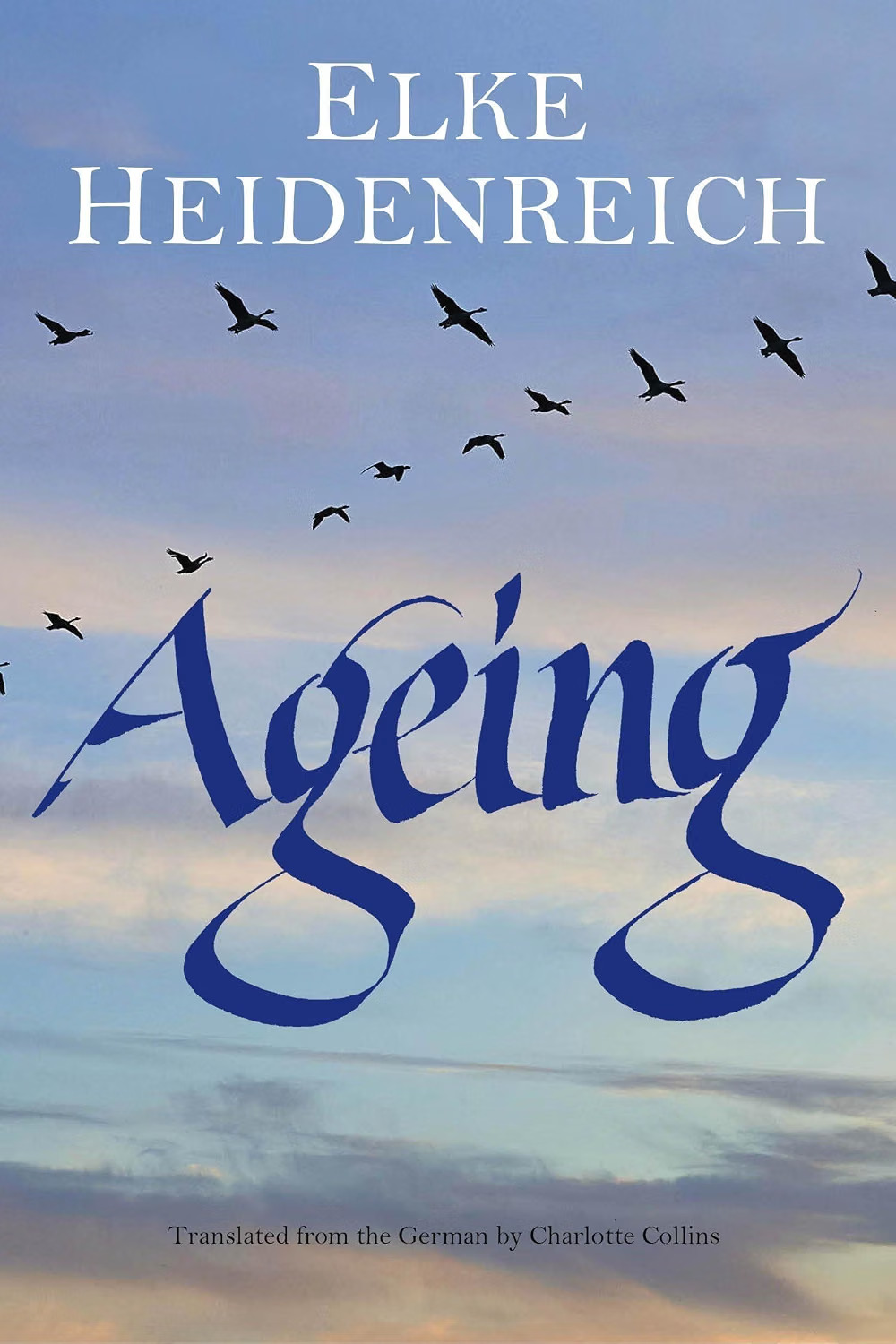
Translated by Charlotte Collins
Open Borders Press, October 2026
No-one wants to die young, but nobody wants to get old. Elke Heidenreich, having reached a certain age, has made it her mission to debunk some of our persistent myths about ageing in a witty and life-affirming book. It does not set out to be a self-help text: it is rather a wise essay on the author’s life and experience as a writer, literary critic, journalist and television presenter. She has read widely and here shares the wisdom of her favourite philosophers, historians and authors.
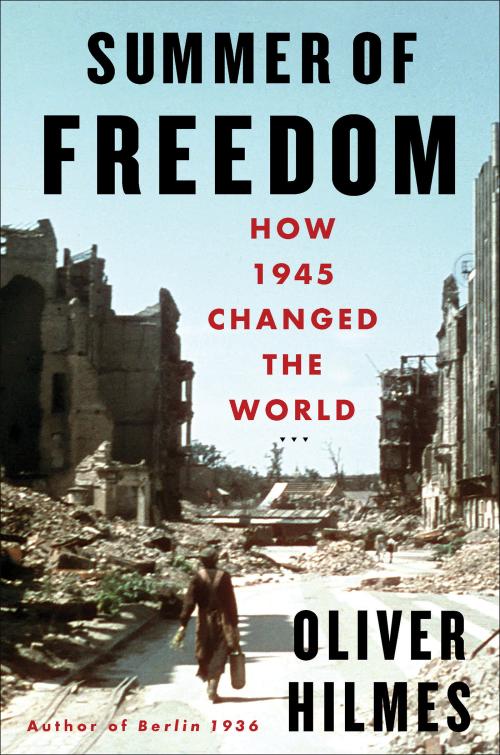
Summer of Freedom How 1945 Changed the World by Oliver Hilmes
Translated by Jefferson Chase
Other Press, June 2026
It was a summer like no one had ever experienced: in the four months from May to September 1945, the old world collapsed, and a new one opened up. The heinous Third Reich was over, ushering in an era of freedom, but also fresh conflicts.
Oliver Hilmes offers insight into this unprecedented summer, from the perspectives of the victors and the vanquished, victims and perpetrators, celebrities and unknowns. The “Big Three”—Harry S.Truman, Winston Churchill, and Joseph Stalin—determine the course of history at the Potsdam Conference. Through a series of scenes that lead from Berlin to Tokyo, from Munich to Paris, from Bayreuth to Moscow, Hilmes captures the unique atmosphere of this time of extremes:
the great happiness and hope of the liberated; the misery, grief, and fear of the defeated; and the uncertainty that comes with freedom.
An enthralling you-were-there style narration…Hilmes has a gift for bringing the
Publihsers Weekly
mighty down to human level…an immersive mosaic of a world in flux.
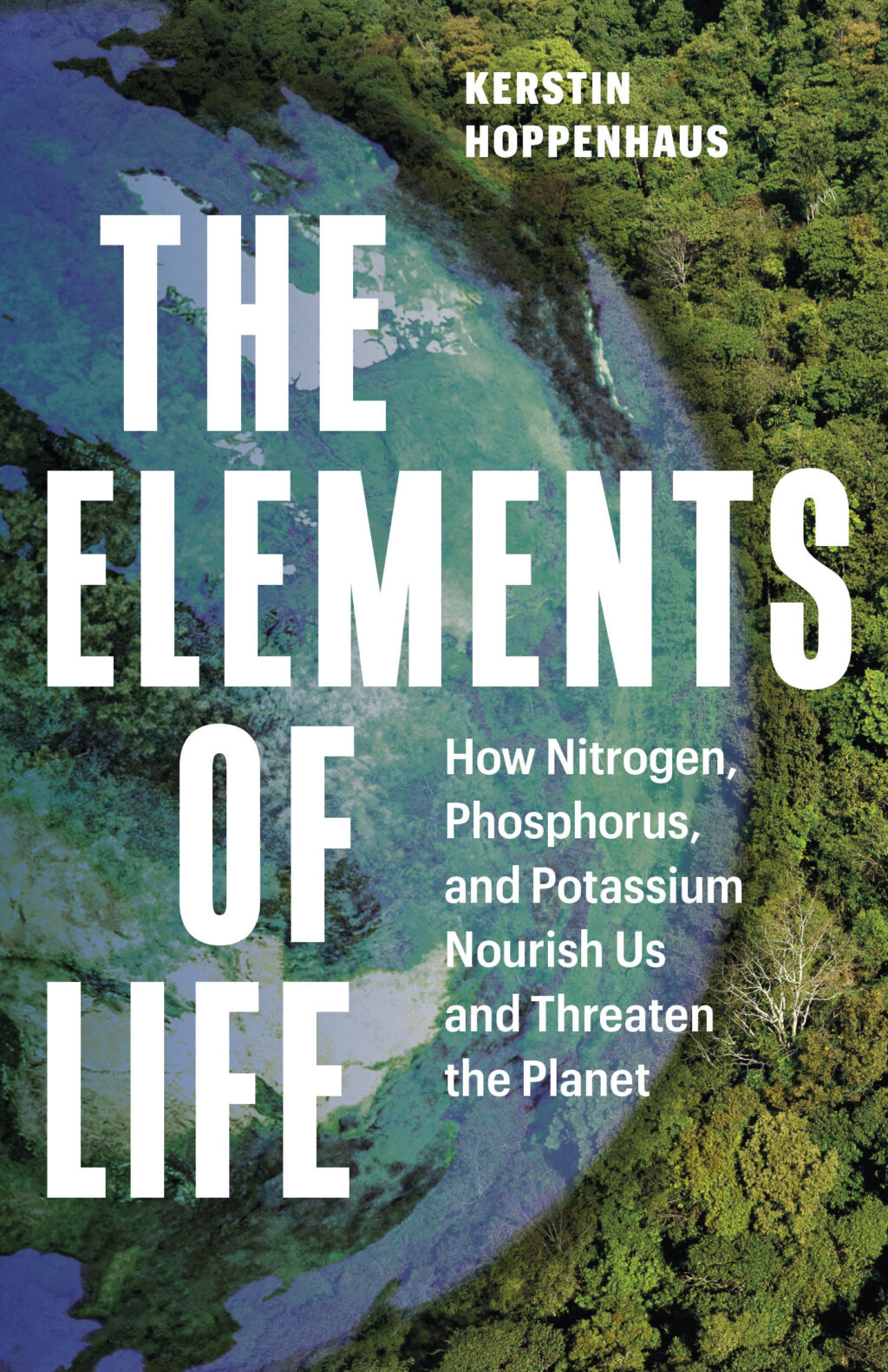
The Elements of Life by Kerstin Hoppenhaus
Translated by Sarah Pybus
Greystone Books, November 2026
An eye-opening tour of the science and history of the fundamental materials without which none of us would be alive
Vince Beiser, author of Power Metal
Trace the hidden elemental forces shaping life, civilization, and our planet’s future—nitrogen, phosphorus, and potassium revealed as never before.
Nitrogen, phosphorus, and potassium sustain every living cell, yet their invisible cycles now teeter on the edge of planetary collapse. Kerstin Hoppenhaus exposes how these three elements—essential to agriculture, ecosystems, and human survival—have become both humanity’s greatest resource and most dangerous liability. From the catastrophic Beirut explosion to oxygen-starved ocean dead zones, from colonial phosphate mining on Pacific islands to the revolutionary Haber-Bosch process that feeds billions, this groundbreaking work connects elemental chemistry to ecological crisis, revealing the profound consequences of disrupting Earth’s ancient nutrient flows.
Readers seeking transformative environmental science books for 2026 will discover actionable insights into sustainable farming, nutrient recycling, and planetary stewardship. Hoppenhaus challenges us to reimagine our relationship with Earth’s elemental foundations—before we irreversibly destabilize the systems sustaining civilization itself.
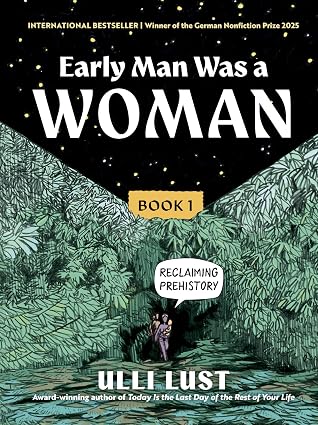
Early Man Was a Woman Reclaiming Prehistory by Ulli Lust
Translated by Elisabeth Lauffer
The Experiment, September 2026
History is written by the victors, and the victors are men. This assumption colours our view of every past era: The fittest survive. The strongest rule. “Human nature” is intrinsically warlike.
The record tells a different story.
Across the globe, over millennia—immortalized in bone, stone, and fired clay—archaeologists find: women. From 40,000 years ago until the birth of Christ, statuettes of women—in poses totally free of shame—overwhelmingly outnumber depictions of men.
Why did our prehistoric ancestors portray women so consistently, so predominantly? And what does this tell us about how our societies have evolved—or devolved?
Magisterially conceived, intensively researched, brilliantly executed, Early Man Was a Woman is a towering achievement—a profound retelling of the human story—from the very beginning to today.
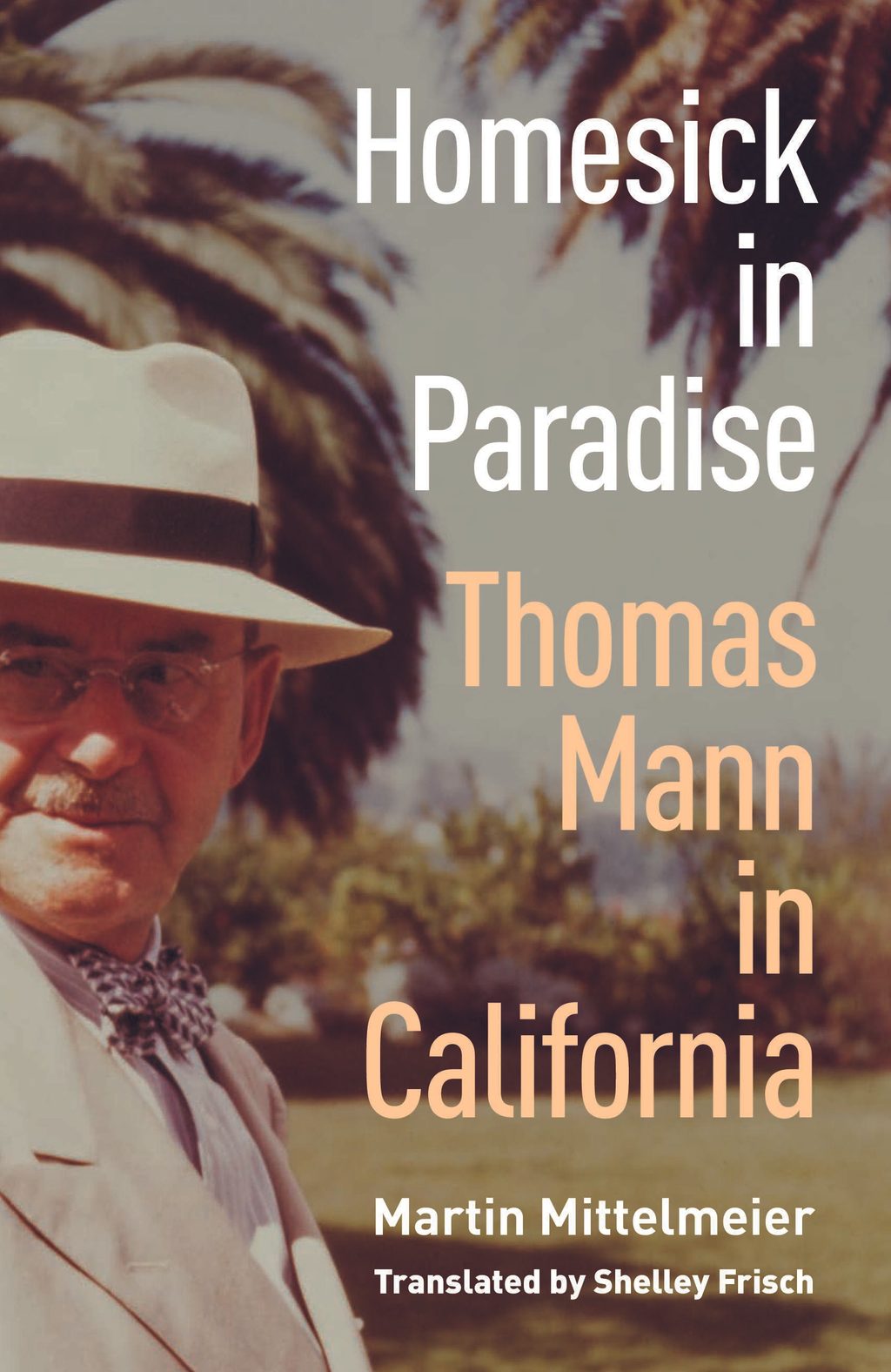
Homesick in Paradise: Thomas Mann in California by Martin Mittelmeier
Translated by Shelley Frisch
Princeton University Press, March 2027
Read our original recommendation here
Atmospherically dense and true to life, Martin Mittelmeier tells of the hopes, encounters, doubts, and successes of the Nobel Prize winner, who had to question his values and identity under the Californian sun at the age of almost 70.
Los Angeles in the 1940s. All those who no longer had or wanted a home in Nazi Germany were stranded here: Arnold Schoenberg, Theodor W. Adorno, Lion Feuchtwanger, Bertolt Brecht, Helene Weigel, Max Horkheimer, Vicki Baum, Hanns Eisler, Franz and Alma Werfel, and above all, Thomas Mann, the writer of the century, the most German of the German exiles in California. At cocktail parties, they exchange intellectual, artistic and political ideas. The paradise-like surroundings of palm trees, orange blossoms, beach and sun form a strange contrast to the depressing news from the old homeland. Life here in Pacific Palisades revolves primarily around the question of identity rooted in German culture and language, which seems to be jeopardised with every piece of news from Europe.
What can art be, especially German art, in the face of the horror and barbarism of Nazi Germany? Thomas Mann searches for answers and broadcasts a total of fifty-five radio speeches, which he addresses to ‘German listeners’. Above all, however, he traces the cultural-historical and intellectual-historical roots of National Socialism in his novel ‘Doctor Faustus’.
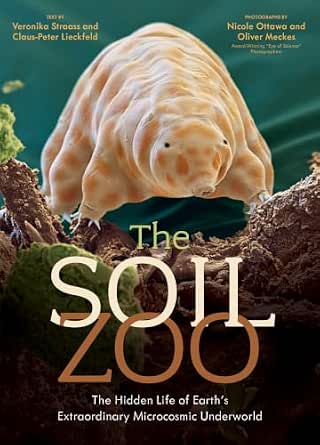
The Experiment, April 2027
Soil sustains life and is among Earth’s most essential natural resources. Nearly 60 percent of all species depend on soil for their survival, and almost all mammals depend on plants grown in soil. To many of us, it may seem like just “dirt,” but under the gaze of the authors of The Soil Zoo, it’s a dazzling microcosmos teeming with never-before-seen creatures that need to be seen to be believed.
Everyone from inquisitive gardeners to students of soil science, cutting-edge photography fans to the biology-curious, will be amazed by The Soil Zoo’s panoply of weird and wonderful higher-life-supporting cast of characters. And readers will come away compelled to play our part as stewards of the soil, to ensure the astonishing diversity of these organisms continues to survive—and thrive.
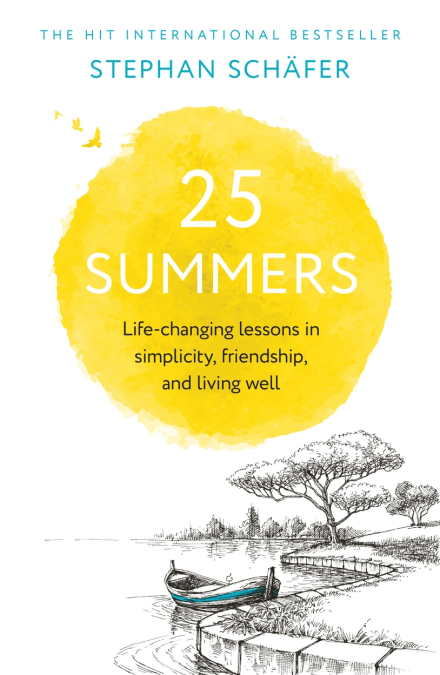
Translated by Sarah Pybus
John Murray Press, May 2026
25 Summers by Stephan Schäfer is a life-affirming self-help fable – a word-of-mouth sensation in Germany, with over 130,000 copies sold.
At its heart is a simple encounter: a high-achieving man meets Karl, a potato farmer, whose quiet way of living begins to challenge everything he thought he knew about success, relationships and what really matters. Through their conversations – warm, direct and often disarmingly simple – a new perspective begins to emerge.
Warm, wise and deeply human, 25 Summers offers practical wisdom to help you slow down, reassess your priorities, and make the most of the life you have.
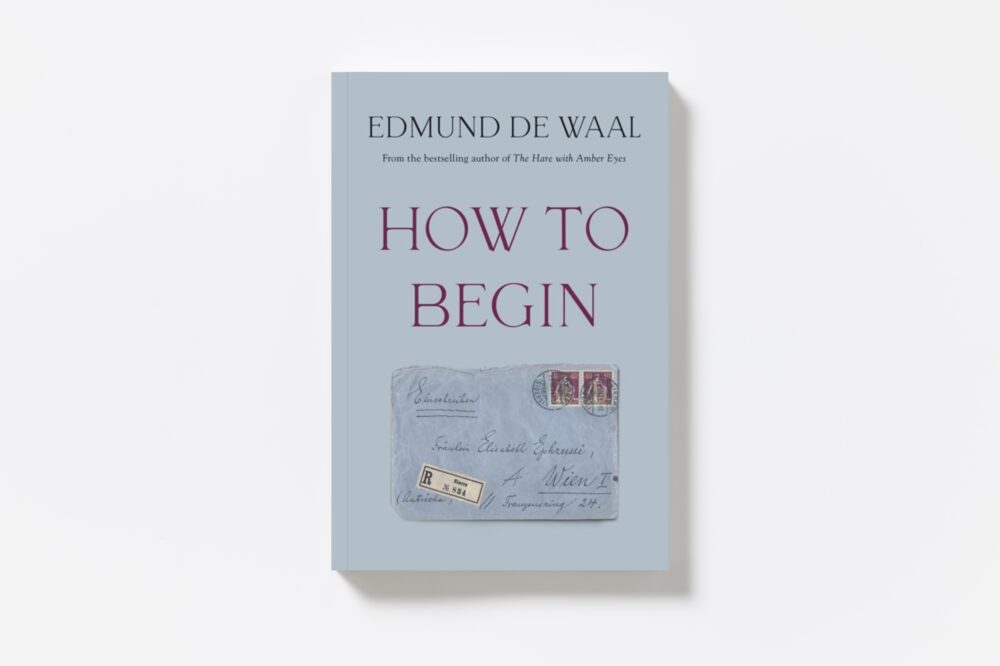
Edmund de Waal, How to Begin, with translations by Karen Leeder
London Chatto & Windus, Nov 2026.
A book about finding a creative voice and becoming an artist via a scintillating new discovery in Edmund de Waal’s family archives – letters between his grandmother and the great poet Rainer Maria Rilke.
Edmund de Waal’s grandmother, Elisabeth Ephrussi, aspired to be a poet as a young woman. While studying for a law degree in 1920s Vienna, she entered into a short but dramatic correspondence with the great German-language poet, Rainer Maria Rilke, in which he mentored her writing – and gave her advice on how to balance the demands of creativity with the need for work. When, decades later, Edmund started to write himself, his grandmother read his poetry and in turn took on the role of mentor…
This is an inspiring book about the challenges of setting out on a creative life as a young person, and the solaces that come from having a mentor and friend. And, ultimately, it is about the moment when an artist must leave their mentor behind and discover their own voice.
Childrens and YA
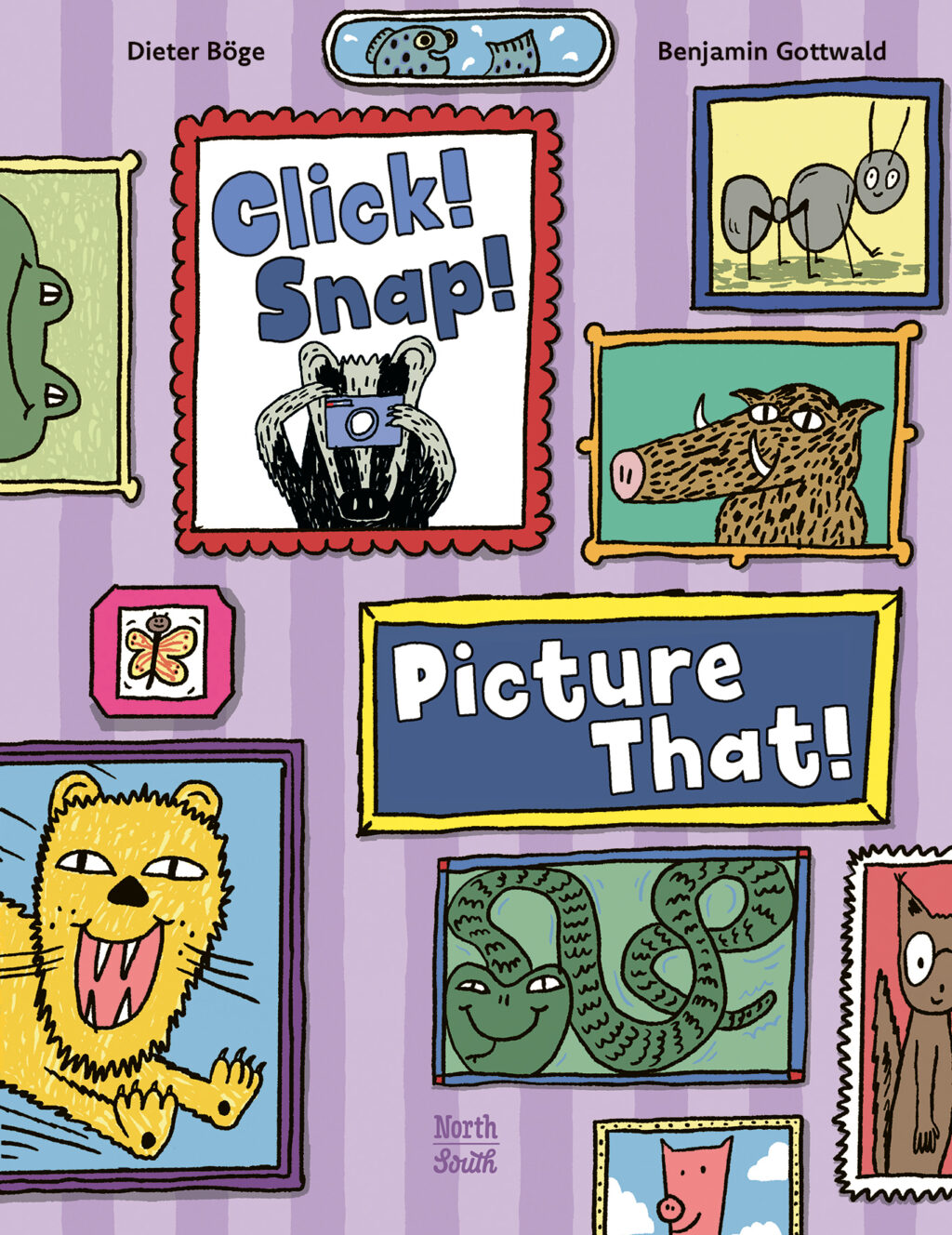
Click! Snap! Picture That! by Dieter Böge and illustrated by Benjamin Gottwald
Translated by David Henry Wilson
NorthSouth Books, September 8, 2026
A smart and funny picture-book take on visual literacy that helps young readers consider how they want to see and be seen.
This book offers both a funny gallery of animals’ aspirations, and an exploration of how we present ourselves in a world where public pictures determine how others see us. How do we show ourselves in our best light? How do we take charge of how we are seen? What can a picture tell about us? In a world where pictures often say more than a thousand words, this book is a perfect conversation starter—and always good for a laugh.
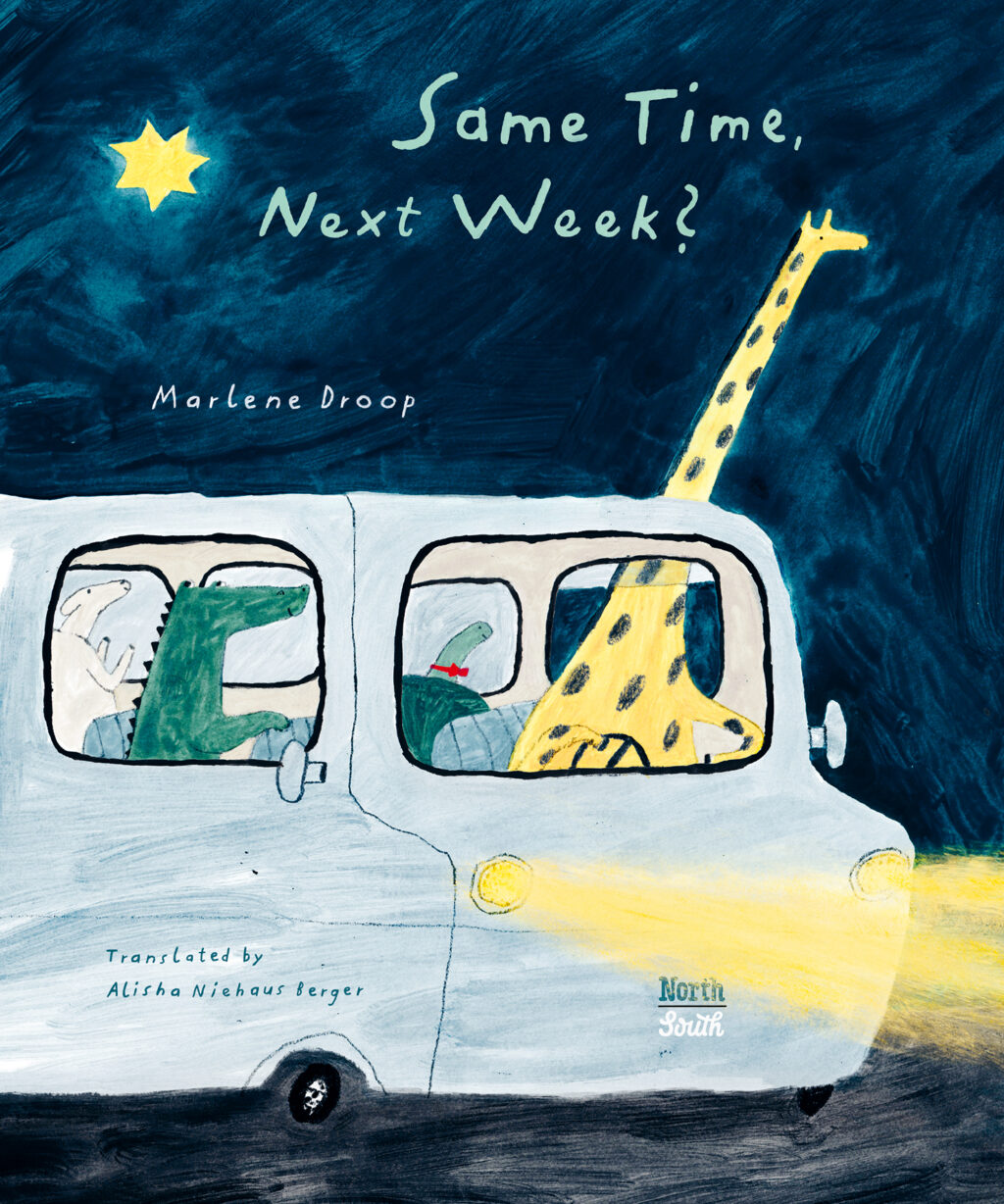
Same Time, Next Week by Marlene Drop
Translated by Alisha Niehaus Berger
Alisha Niehaus Berger, September 2026
This sweet and funny road trip story celebrates the support you find in friendship, even when things don’t go as planned.
Giraffe, Sheep, Turtle, and Alligator have a common goal: to see the stars. They head out of the bright city on a road trip into the dark countryside. But plans can change when rain showers, snack breaks, and naps get in the way. Before they know it, the sun is rising! No big deal, say the friends, they can reach for the stars again. Same time, next week?
A gently humorous tale about friendship, expectations, and enjoying the journey by debut author-illustrator Marlene Droop.
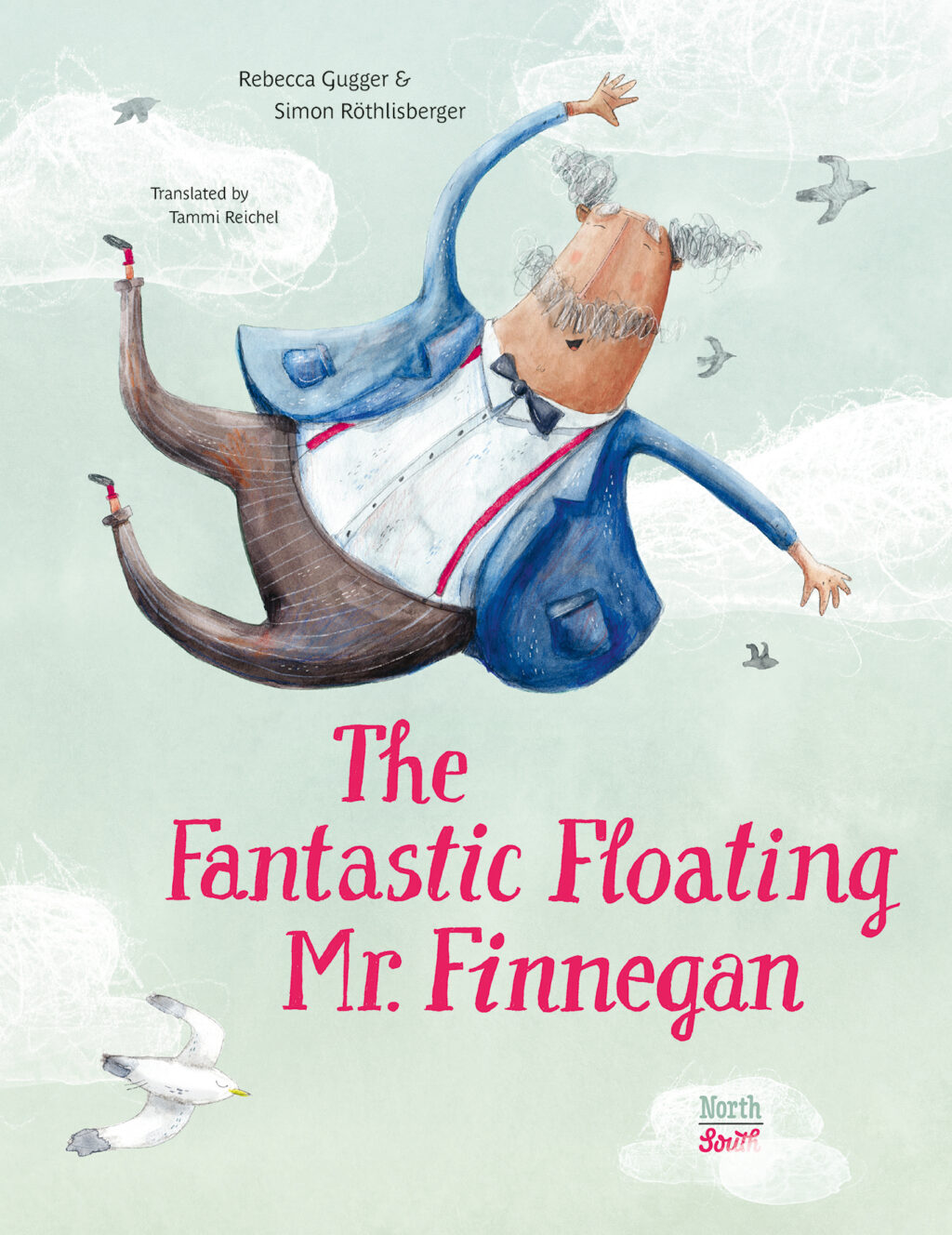
The Fantastic Floating Mr. Finnegan by Rebecca Gugger and Simon Röthlisberger
Translated by Tammi Reichel
NorthSouth Books, September 2026
From the celebrated creators of A Chest Full of Words comes an uplifting modern fable about a boy who challenges convention–and takes to the sky.
A magical and heartwarming tale of overcoming boundaries set by others–and those we set ourselves. A gentle, philosophical story for fans of Corinna Luyken, Oliver Jeffers, and Corey Tabor.
the attractive picture book. . . sweeps you along. . . Wow
Lynne Truss, The New York Times, on A Chest Full of Words
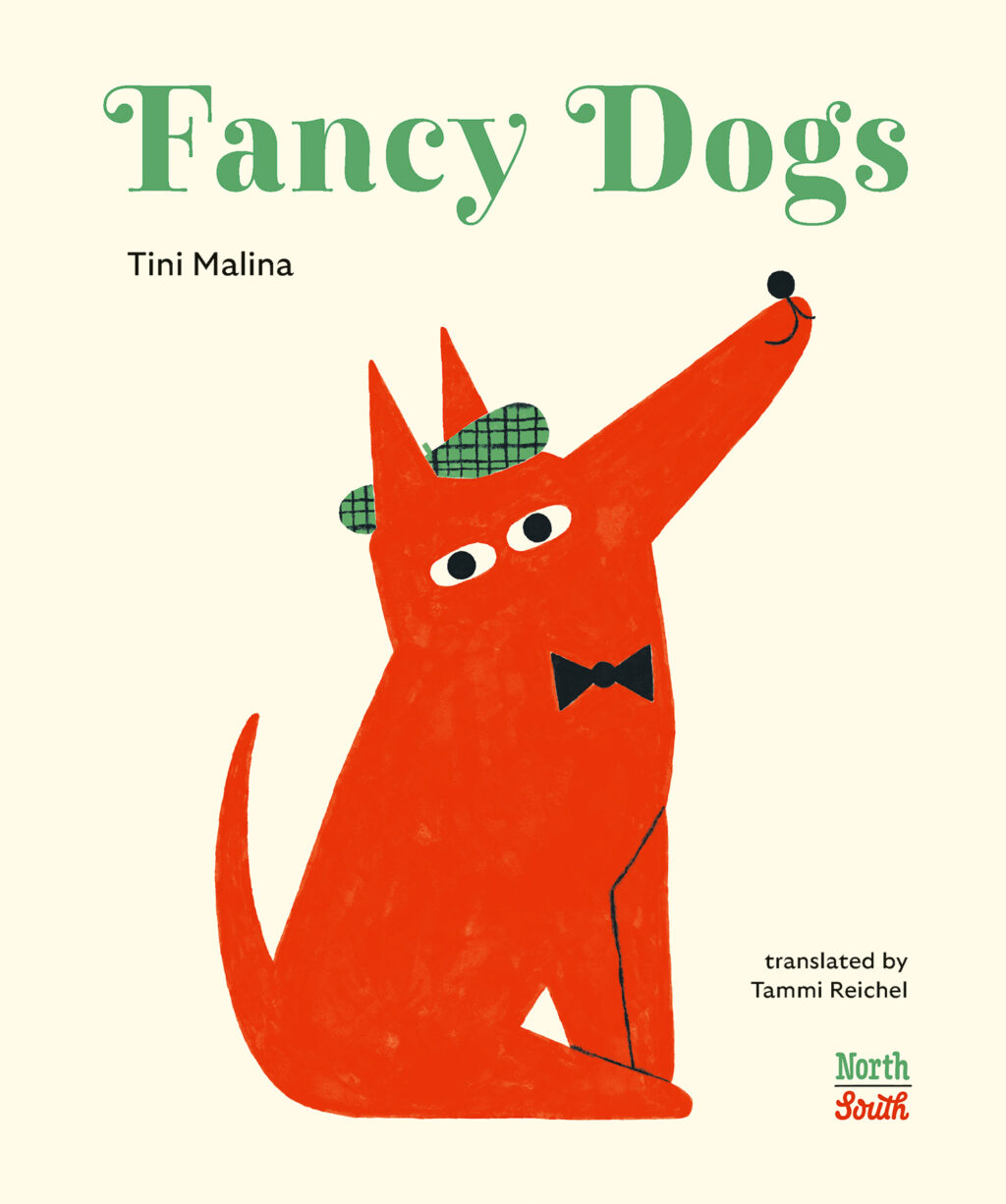
Translated by Tammi Reichel
NorthSouth Books, October 2026
Our best friends are featured at their most stylish—and silliest—in this hilarious rhyming picture book that’s a perfect gift for dog lovers of any age.
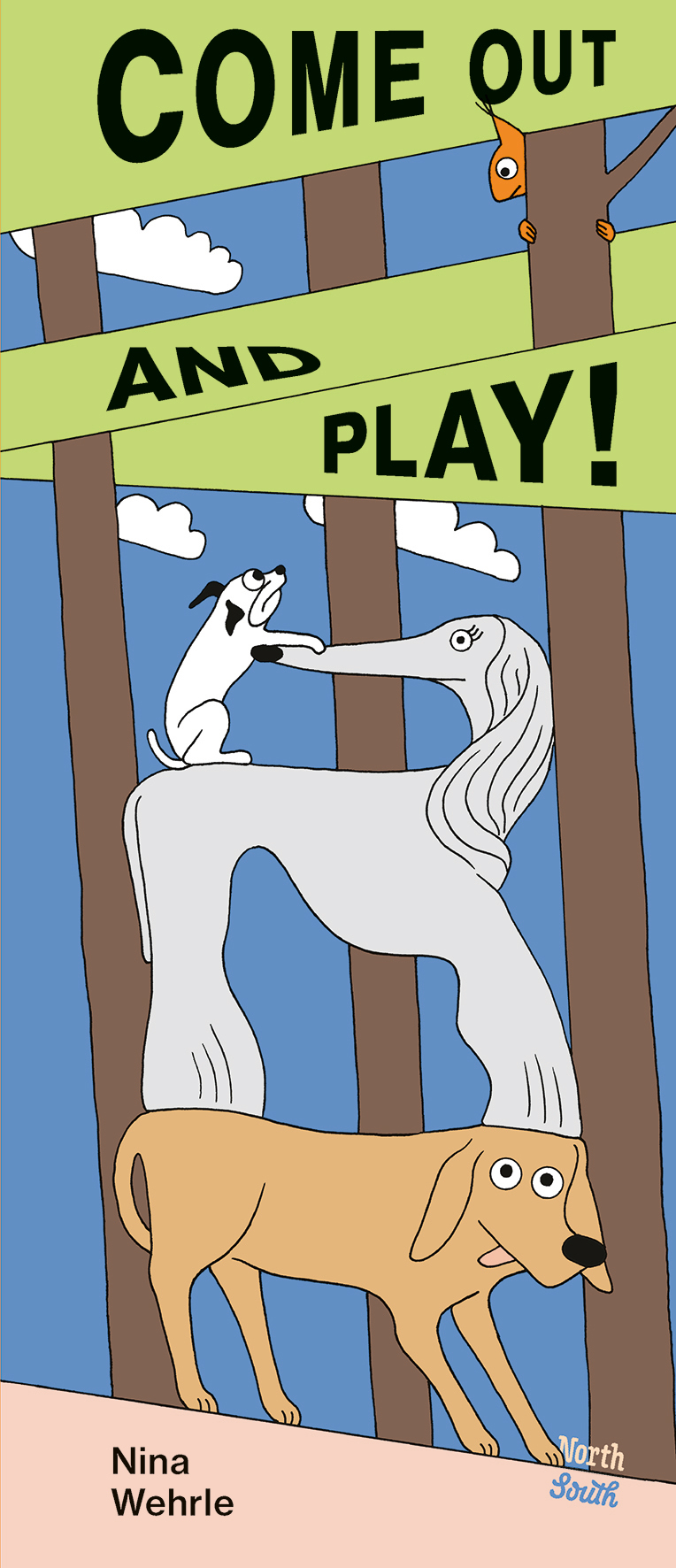
Come Out and Play! by Nina Wehrle
Translated by Alisha Niehaus Berger
NorthSouth Books, October 2026
This story gets sillier and sillier with every page turn, exploring the exuberant play of dogs when their humans aren’t around.
This tall-format book, printed in special colours with playful text layout, is an experience for all the senses: it has barks, farts, and cake featuring gummy bears and marshmallows. Plus it demands to be read aloud. Come out and play . . . or else!
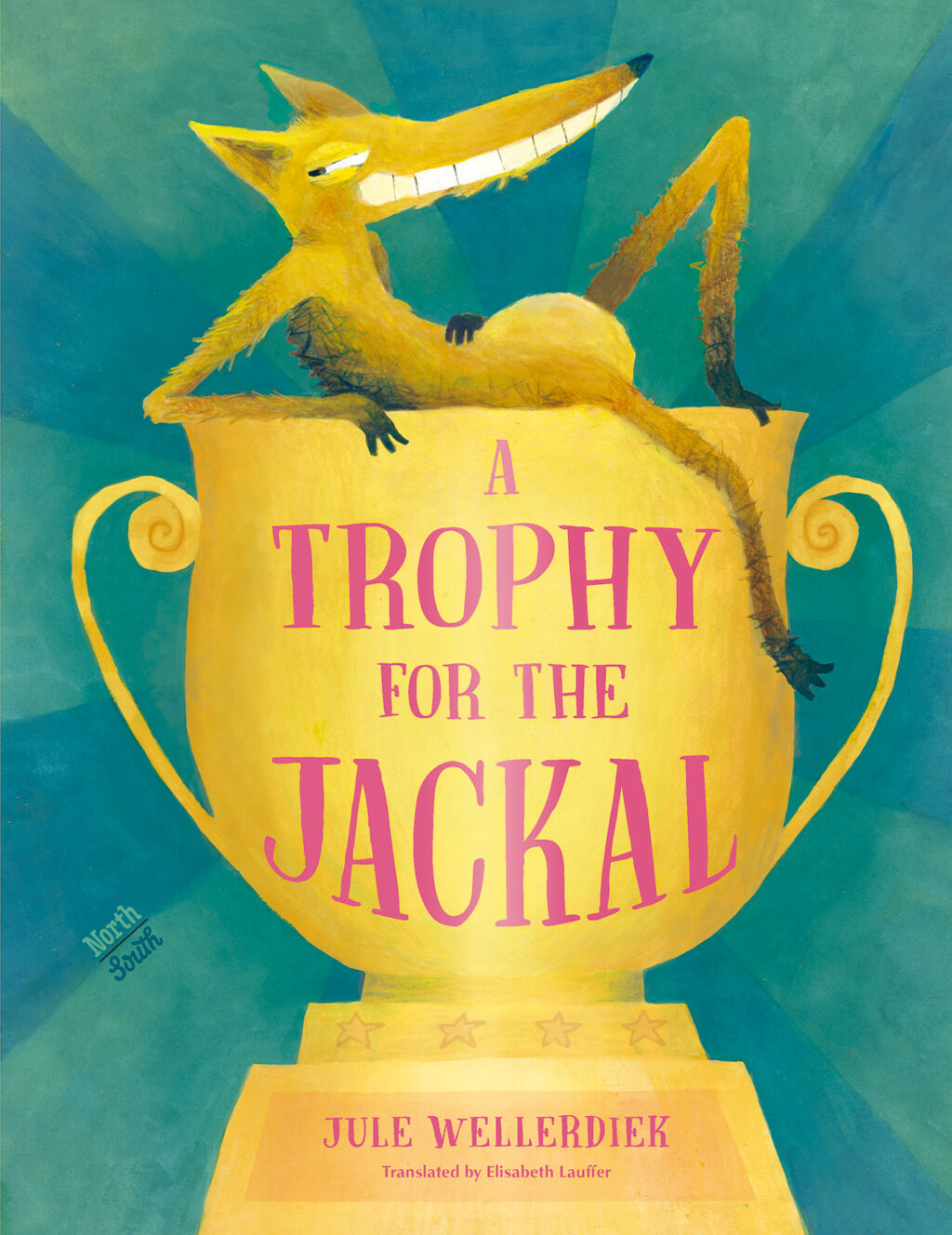
A Trophy for the Jackal by Jule Wellerdiek
Translated by Elisabeth Lauffer
NorthSouth Books, September 2026
This humorous tale of competition from creator Jule Wellerdiek will have winners and runners-up alike laughing out loud to Jackal’s many antics.
All Jackal wants is to win a fancy trophy. But when Goose wins the best hairdo competition, he decides that it’s time to take matters into his own paws. Jackal quickly discovers that awards aren’t that special when everyone gets one, so he devises a new plan to be the best . . .
This contemporary fable, for fans of The Big Cheese and Fox and the Jumping Contest, takes a humorous approach to the idea of friendly competition and is a laugh-out-loud story about sportsmanship and losing with grace that will speak to every reader’s innermost desire to win.
Photo by Matias North on Unsplash