
review
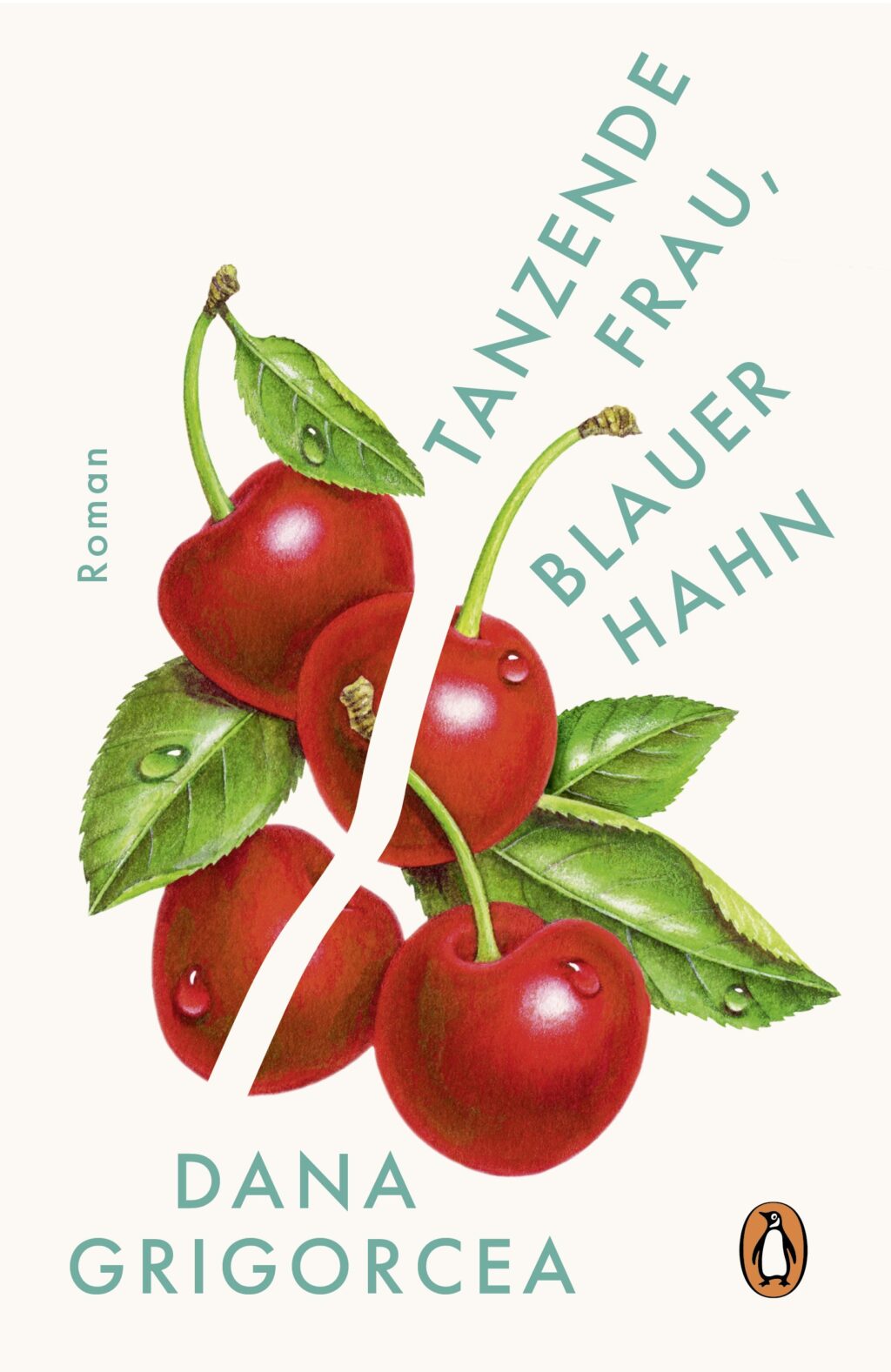
In her exquisite new novel, ‘Dancing Woman, Blue Rooster’, Swiss-Romanian author Dana Grigorcea, already well-known to English audiences for An Instinctive Feeling of Innocence and Dracula Park, returns with a compact, luminous exploration of memory and post-socialist transition.
Set in the Romanian mountain town of Bușteni, the novel captures the heat and buoyancy of childhood summers in the 1990s through the eyes of Roxana, a young girl from Bucharest who finds sanctuary at her grandmother’s house. The narrative has a sophisticated, episodic structure that mimics the fragmentary nature of recollection. Each chapter centres on a specific local figure – from the long-suffering Madame Smara to the cheerful Radu with his flock of aggressive geese – initially painting what seems like a bucolic portrait of village life. However, these vignettes are subtly reframed by an adult perspective; the first-person childhood accounts are followed by shorter third-person sections featuring a present-day author on a book tour. This dual lens allows Grigorcea to balance a child’s frank, sensory observations with the weight of adult retrospection and loss.
At the heart of the story is Roxana’s friendship with Camil, a local boy with whom she observes the town’s inhabitants and invents elaborate stories. As they grow, their bond becomes a romantic one, only to be challenged by social differences and Camil’s eventual migration abroad. The narrative tension is anchored by the tragic knowledge, revealed in the opening paragraph, that Camil will eventually die while stealing copper wiring in Spain. Yet the novel’s epilogue, narrated by another local girl, Ana-Mia, destabilises Roxana’s entire account, offering a mirror-image perspective that forces the reader to rethink the authenticity of the preceding stories.
Grigorcea’s prose is a masterclass in crafted understatement, blending warmth with a sharp, ironic edge. The style is clear and delicate, treading a fine line between the levity of adolescent discovery and the gravity of the social ruptures following the fall of communism.
With its quiet elegance and compact size, ‘Dancing Woman, Blue Rooster’ is ideally suited for translation. It will appeal to literary readers who enjoy the works of Claire Keegan, Jenny Erpenbeck, or the early novels of Elena Ferrante. Grigorcea has produced a truly unique piece of fiction that uses a child’s attentive gaze to explore universal themes of migration, suspicion, and the transformative power of storytelling.
Find out more: https://foreignrights.penguinrandomhouse.de/dancing-woman-blue-rooster/978-3-328-60440-2


All recommendations from Spring 2026