
review
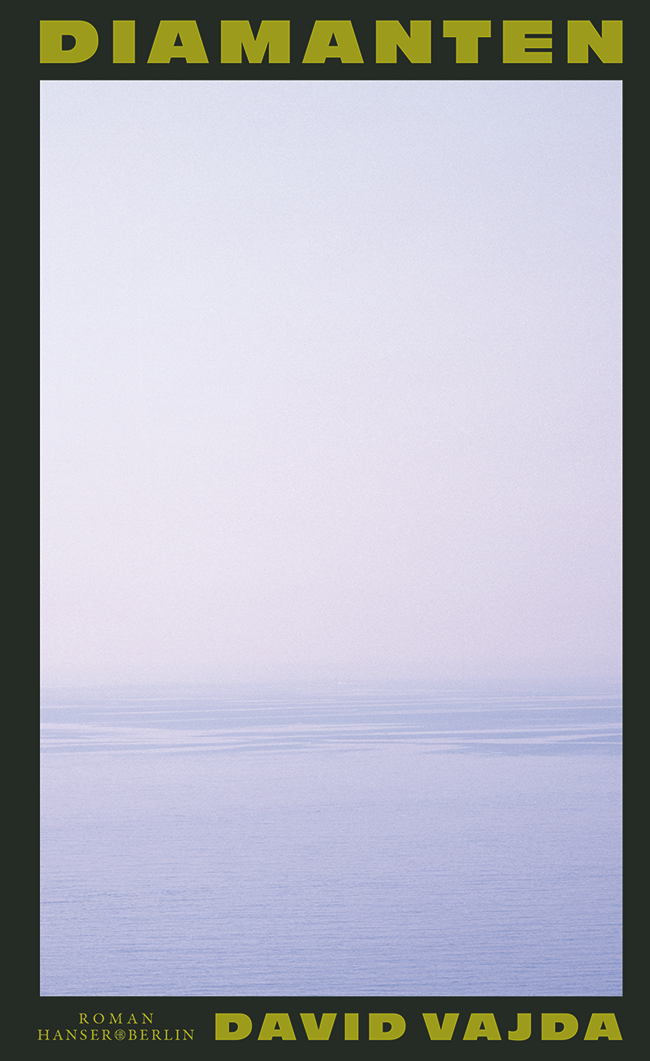
David Vajda’s debut is an intimate family novel about what grief does to love, memory, and loyalty, and about the awkward theatre of trying to become a family again after years of absence. Four siblings, half German and half Serbian, move through a series of reunions across Europe, circling the same question from different angles: what, if anything, can be repaired four years after the death of the mother who used to hold them all in place?
The narrator, one of the brothers, is observant and wary, sometimes tender, sometimes sharp, and often uncertain what to do with emotion once it arrives. His siblings orbit him in contrasting ways; Benny and Ada loud with resistance, Blondie soft and elusive, and each of them carrying their mother’s loss like a private weather system. Their father, who left long before their mother’s illness, now wants to return as if sheer effort might close the gap. Their mother’s brother, absent when it mattered, appears too, offering lavish hospitality in place of apology. The adults despise each other, the siblings do not know what they owe anyone, and every gathering becomes a test of what forgiveness is supposed to look like.
Vajda structures the book around five meetings, in Belgrade, Greece, Vienna, South of France, and Munich. Each ‘present’ episode is punctured by memories of the mother’s decline and death, and by the practical indignities of loss that never quite fade. The strongest scenes have a dry, macabre edge, rendering grief without ceremony, and placing the absurdity of survival alongside genuine hurt. A late arrival, a badly timed gift, a meal that feels like bribery, the same gestures repeating until they begin to look like character.
The prose is direct and unsentimental, with a quick eye for how families speak when they cannot say what they mean. The humour is often dark, but not showy, more of a coping mechanism than a punchline. The various European settings sharpen the book’s sense of dislocation, of lives distributed across borders, languages, and versions of the past.
Gems is at its most compelling when it is close to the pressure points: the siblings’ shifting alliances, the father’s neediness, the uncle’s expensive contrition, and the narrator’s uneasy role as both judge and peacemaker. Its restrained treatment of grief, its moral ambiguity, and steady narrative pull place it alongside the plainspoken intensity of Natalia Ginzburg’s Family Lexicon, and the unsparing emotional clarity of Tove Ditlevsen’s The Copenhagen Trilogy.
Find out more: https://www.hanser-literaturverlage.de/en/buch/david-vajda-diamanten-9783446285842-t-5864

All recommendations from Spring 2026