
review
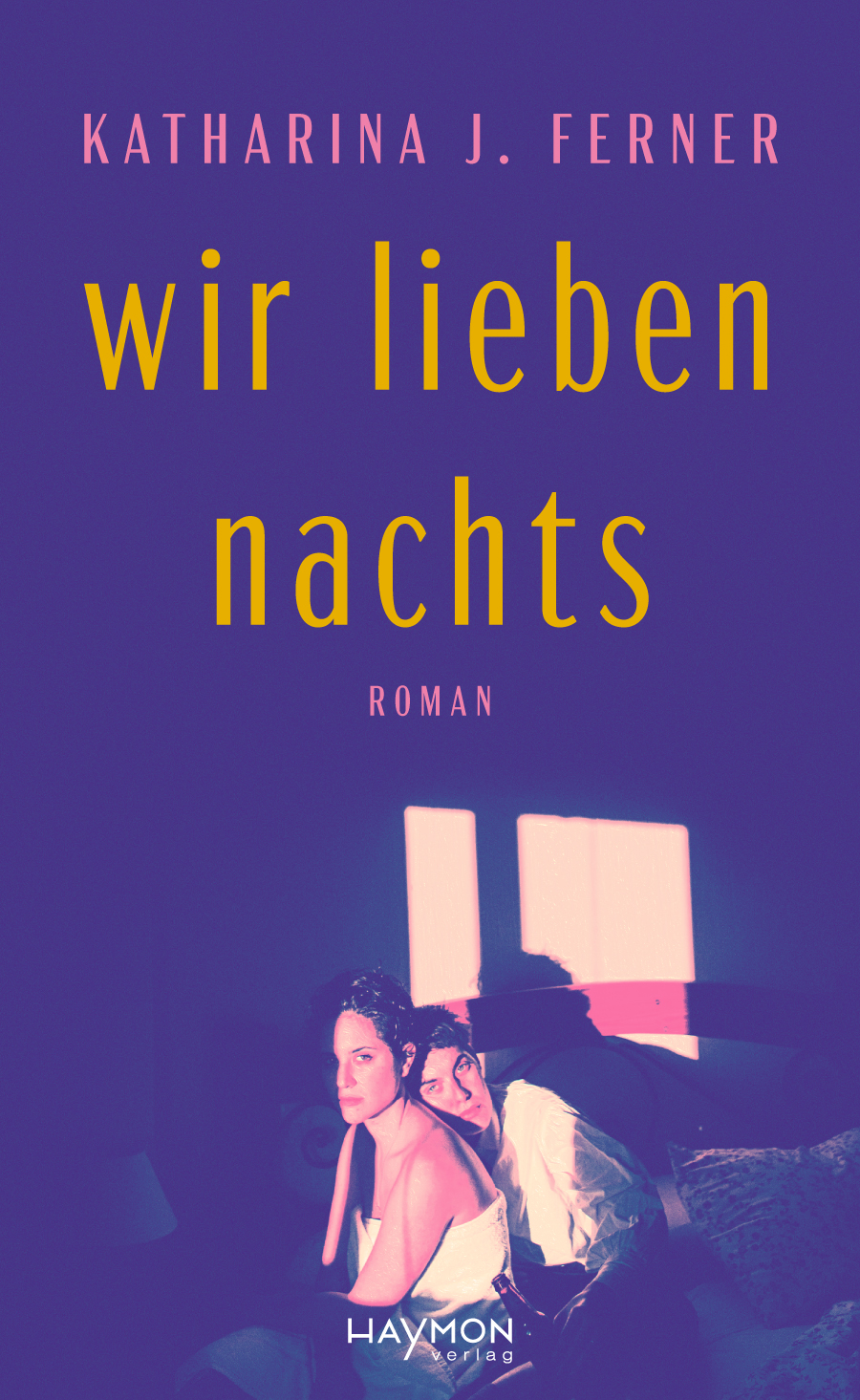
Katharina J. Ferner’s Wir lieben nachts follows Paulina, a young journalist, and her growing relationship with Bella, an established figure in Vienna’s art scene. The two meet at Café Venezia, where Paulina gives Bella a copy of Sappho along with a handwritten poem. Café Venezia remains a recurring meeting point throughout the novel, the place the two return to at each stage of their relationship.
Their early encounters, walks in the Stadtpark, shared coffees, exchanged texts, are filled with ambiguity and restrained desire. During a solo trip to the south of France, Bella sends Paulina photographs from the beach and asks for her address, without following through on an earlier plan to speak by phone. As the relationship develops, the two spend time with Bella’s family in the Waldviertel district and eventually move in together. After Bella’s mother, Michaela, is injured in a bicycle accident, she moves into their flat to recover, and the space is rearranged around her; Michaela’s cat, Giovanni, comes to occupy the bedroom while Paulina and Bella sleep on a fold-out sofa. Later in the novel, Bella moves to Berlin, introducing a period of distance and renegotiated independence between the two women.
Structured in three parts, the novel traces the relationship from its uncertain beginning through a period of closer domestic life, and on into its later, more settled stage. The chapters are short, sometimes only a single paragraph, and numbered consecutively. Moving between present-tense scenes, memory, and imagined or anticipated moments, without following strict chronology, and with pop-culture references set as footnotes, they give the novel a diary-like rhythm.
The novel is grounded in contemporary Viennese queer and cultural life, weaving pop-culture references into its account of a relationship defined by closeness and independence held in balance, without either partner explicitly naming or defining its terms. It invites comparison with Melissa Broder’s Milk Fed, for its intimate first-person register and its focus on obsession, desire and a relationship between two women.
Find out more: https://www.haymonverlag.at/produkt/wir-lieben-nachts/


All recommendations from Autumn 2026