
review
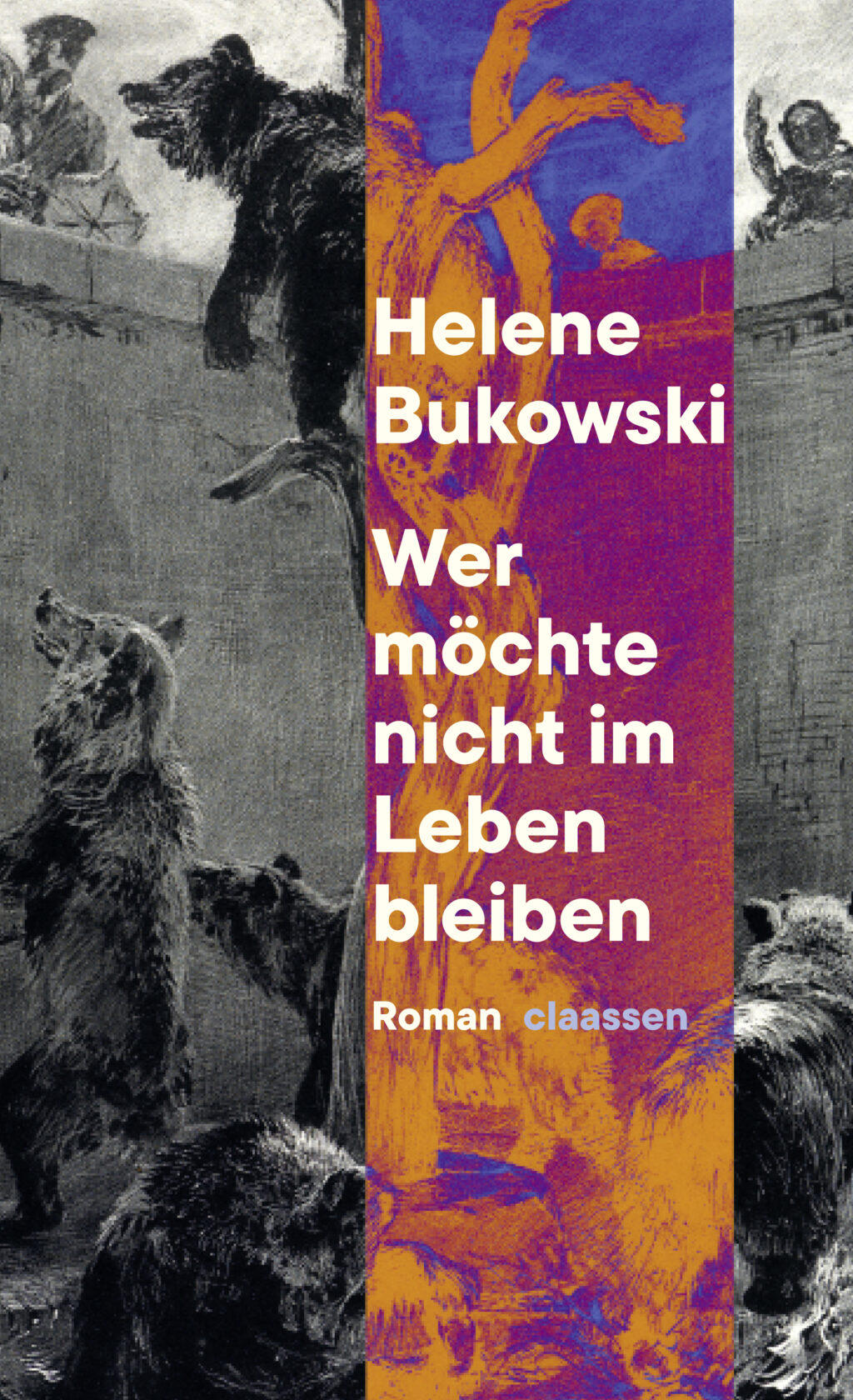
Helene Bukowski’s latest novel is a poignant literary reconstruction of the life of Christina, a gifted young pianist born in the GDR. Despite her immense talent and international success, Christina takes her own life in 1985, just a year after completing her studies. This moving novel is a profound reckoning with musical talent and ambition, the challenges of political censorship, and the devastating nature of loss.
The narrator meticulously pieces together Christina’s life from the fragments left behind. Her story begins in the forests of East Germany before her family moves to a glass-fronted apartment block in Neubrandenburg. Under the disciplined tutelage of her father, an opera singer, she develops into a formidable pianist and is sent to a specialist conservatory in Berlin. There, she endures harsh conditions and cold practice rooms, yet her talent flourishes, leading to victories in international competitions.
Christina wins a scholarship to the Moscow Conservatory to study under a legendary Russian pianist. Yet this period of professional triumph is marred by deep loneliness and the onset of what the narrator identifies as PMDD (Premenstrual Dysphoric Disorder) – a condition undiagnosed at the time and that transforms Christina into ‘Chris’, a shadow of herself, for one week in every month. On returning to Berlin, Christina finds herself isolated. Faced with an overbearing father and a callous, dismissive supervisor, her mental health spirals. The novel culminates in her final night in Neubrandenburg, where she steps out of a window, leaving her parents to find her seemingly pristine body on the pavement below.
Bukowski uses a ‘chronicle’ written by Christina’s father, Stasi reports, and interviews with former students to weave a rounded view of a determined yet lonely life. The narrator constantly interrogates the reliability of these documents, posing alternative interpretations and questioning her own authority to tell this story. Bukowski’s prose is extraordinarily evocative, particularly in scenes where music transforms Christina’s reality into vivid landscapes, from frozen reeds to thundering waterfalls. The narrator’s active role means that they often step into scenes to defend or guide Christina, turning the act of research into a creative, emotional intervention.
‘Who Does Not Want to Stay in Life’ is a thoughtful, sensitive exploration of how to piece together a life cut short. Its international scope, spanning the GDR, Czechoslovakia, and Russia, and its focus on music and Cold War history, will resonate deeply with Anglophone readers. It is a distinctive contribution to the literature of memory and loss.
Find out more: https://www.ullstein.de/werke/wer-moechte-nicht-im-leben-bleiben/hardcover/9783546101585

All recommendations from Spring 2026