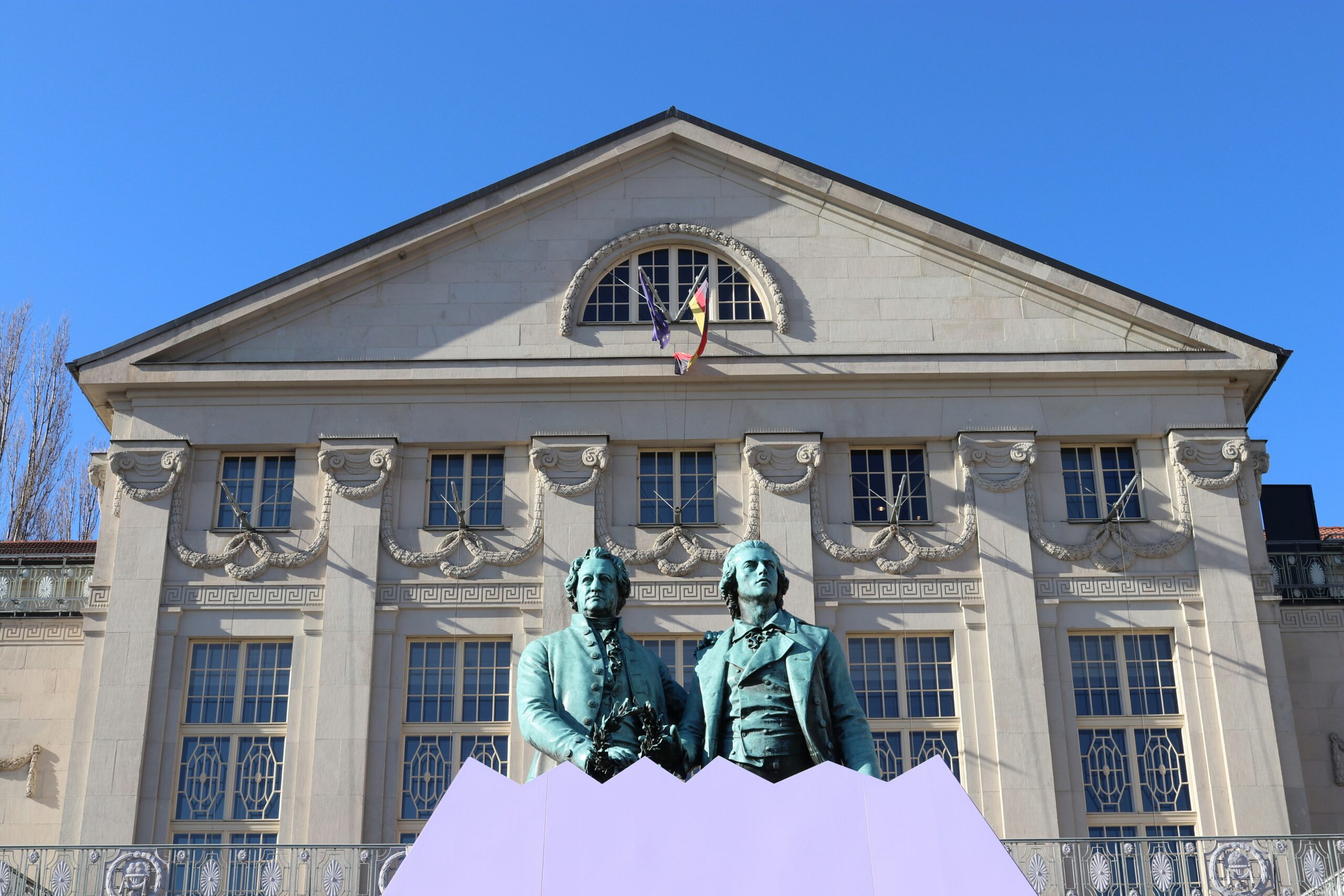
Our primary focus at New Books in German is on the best contemporary German-language fiction, but a significant number of the authors whose prose we recommend are also talented poets. This article highlights some of the poet-novelists we have featured recently – either because their books were selected by our jury, or because we highlighted their work elsewhere on our site – and considers the fruitful connections between their work in both literary genres
The rich tradition of poet-novelists in modern German-language literature has its origins with Johann Wolfgang von Goethe (1749-1832) and is still going strong nearly two hundred years later. These authors bring poetic attention to language into their narrative works, through devices such as rhythm, metaphor, and silence. Conversely, their poetry often carries narrative weight, with a strong focus on place and memory. Among those whose work we have highlighted on our website are Ulrike Draesner, Anja Kampmann, Ulrike Almut Sandig, Lutz Seiler, Dinçer Güçyeter, Matthias Politycki, Kathrin Bach, Martine Hefter, Nora Bossong and Michael Stavarič.
Consideration of all these poet-novelists together reveals an emerging pattern: the authors’ prose often benefits from poetic compression, the discipline of image, the power of what is unsaid; while their poetry often carries narrative weight, voice, character, and place in ways that resist abstraction. The result is a literature of liminal spaces: between seen and unseen, voice and silence, memory and forgetting, displacement and home. The poet-novelist in contemporary German-language literature is not an outlier but a vital figure, creating works whose power derives from linguistic tension, from their lyric voice, and from what lies between genres. As more of these authors are translated into English and other languages it is to be hoped that they gain further renown, both for their stories, and for the musicality and linguistic richness generated by the interplay between their poetry and narrative prose.

Ulrike Draesner (born 1962) is well established as a poet, novelist, essayist and translator. She is an advocate of a ‘polyglot poetics’ in which her writing is always situating itself in the multiplicity of linguistic meaning. Her poetic books include subsong (2014) and doggerland (2021). In prose she has published Sieben Sprünge vom Rand der Welt (‘Seven Leaps from the Edge of the World’, 2014), and Kanalschwimmer (2019), newly translated by Rebecca Braun as Channel Swimmer (2025). Her novel, Die Verwandelten (‘Penetrating Silence’, 2023), about seven female protagonists’ experiences of war, motherhood and inherited trauma is yet to be translated. It was selected by our jury and is reviewed on our website here as a ‘lyrical tour de force’. Her novels often reflect the influence of her lyric sensibility: close attention to atmosphere, interior landscapes, temporality, and the intertwining of external and internal environments. You can read our recent interview with Ulrike Draesner following the publication of Channel Swimmer here.
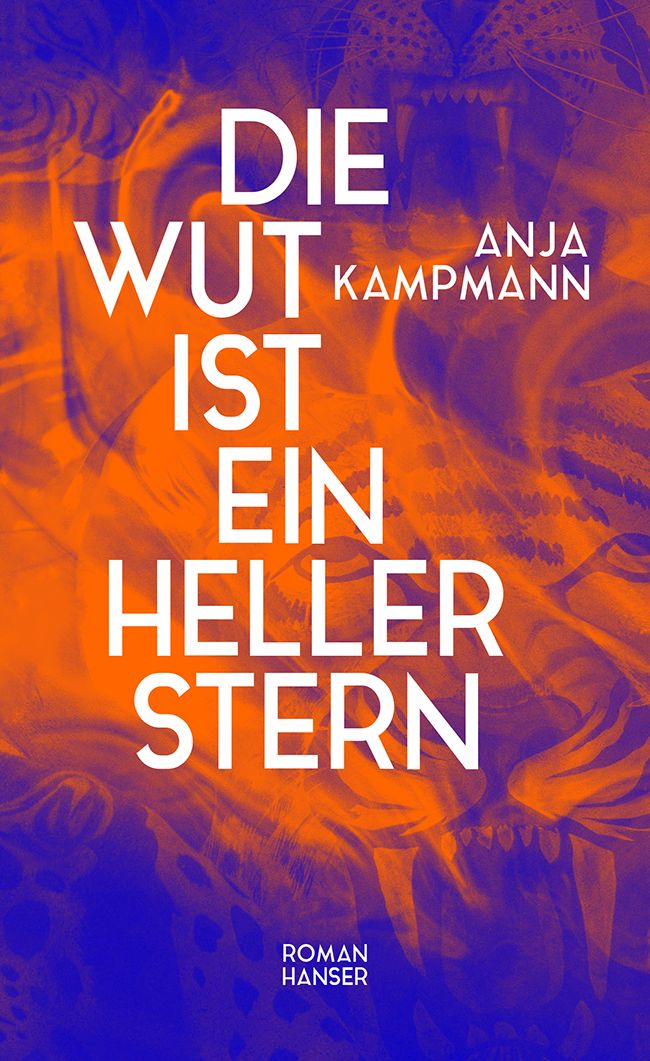
Anja Kampmann (born 1983) studied at the Deutsches Literaturinstitut (Institute for German Literature) in Leipzig. She published her first poetry collection, Proben von Stein und Licht (‘Samples of Stone and Light’) in 2016, and Der Hund ist immer hungrig (‘The Dog is Always Hungry’) in 2021. Her novel Wie hoch die Wasser steigen (2018) has been translated into English by Anne Posten as High as the Waters Rise (2020). Her poetry is concerned with materiality, sound and the environment, and her fiction carries over that lyric texture, especially in descriptions of nature, psychological interiority, and emerging crises of displacement or ecological precarity. Anja’s latest novel, Rage is a Bright Star, is an NBG jury choice.
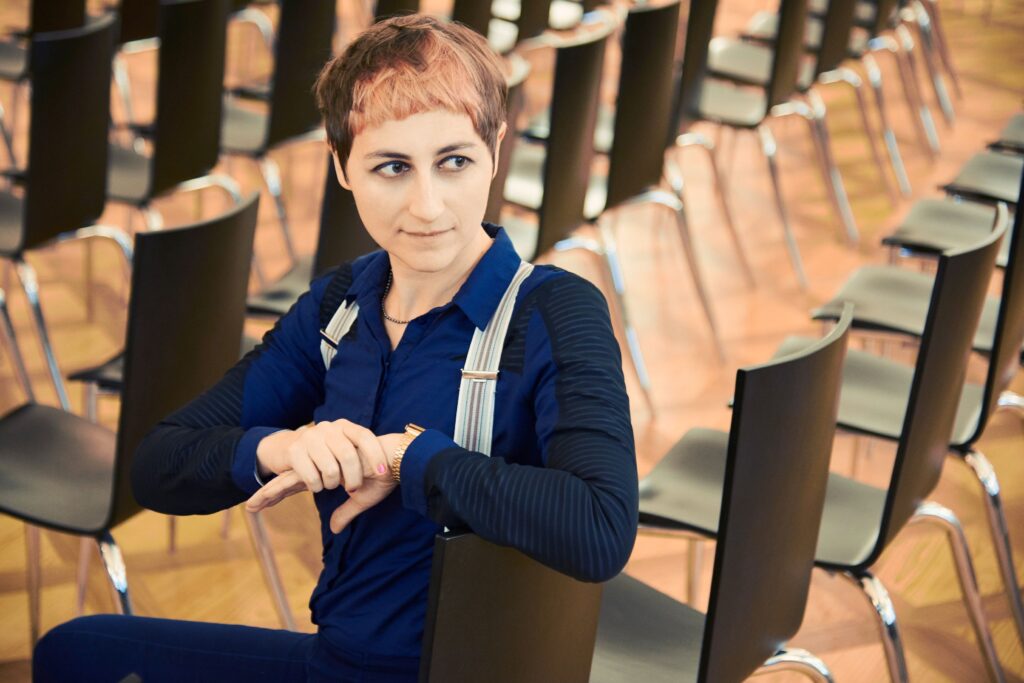
Ulrike Almut Sandig (born 1979) initially studied Religious Studies and Indology, and then Literature at the Deutsches Literaturinstitut Leipzig. Her first publications as a poet were volumes including Zunder (‘Tinder’, 2005), Streumen (‘Scatter’, 2007) and Dickicht (‘Thicket’, 2011); they were followed by a novel, Monster wie wir in 2020. Sandig’s poetic practice informs the novel’s imagery, voice, and the brevity of its scenes. The novel was recommended by New Books in German and subsequently translated into English by Professor Karen Leeder as Monsters Like Us (2022). Karen Leeder’s translation was longlisted for the Dublin Literature Award in 2024. Sandig’s most recent poetry collection, Leuchtende Schafe (2022) was translated as Shining Sheep (2023), again by Karen Leeder.
‘In devastating sequences, Sandig charts the reality of an abused child, victims of contemporary war, or a fourteenth-century Madonna. Full of humour, musicality, lightness, and rage, Shining Sheep is not just visual poetry – it has loops in your ear and filmic explosions of imagery for all your senses.’
Seagull Books
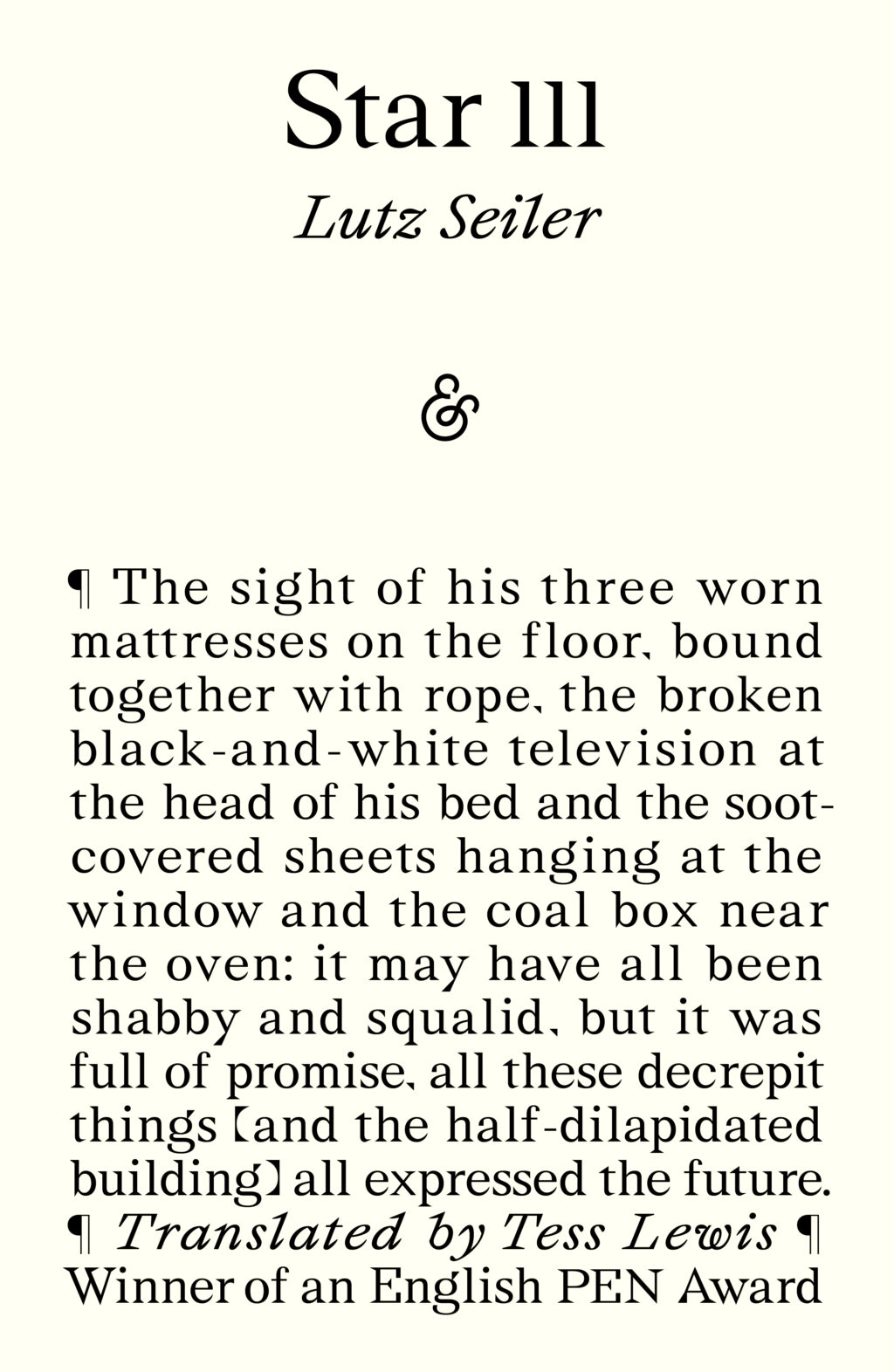
Lutz Seiler (born 1963) is one of the most influential voices in contemporary German literature. Drawing deeply on his childhood and youth in the former GDR, he weaves those memories into narratives that remain sharply attuned to the present. His oeuvre spans novels, poetry, and essays, and he has received some major literary awards, including the German Book Prize, the Leipzig Book Fair Prize, and most recently the Georg Büchner Prize. British publisher And Other Stories released three of Lutz Seiler’s works in the UK in 2023: Star 111, his most recent novel, translated by Tess Lewis; Pitch and Glint, a poetry collection, translated by Stefan Tobler; and In Case of Loss, an essay collection, translated by Martyn Crucefix. Read our interview with Lutz Seiler here.
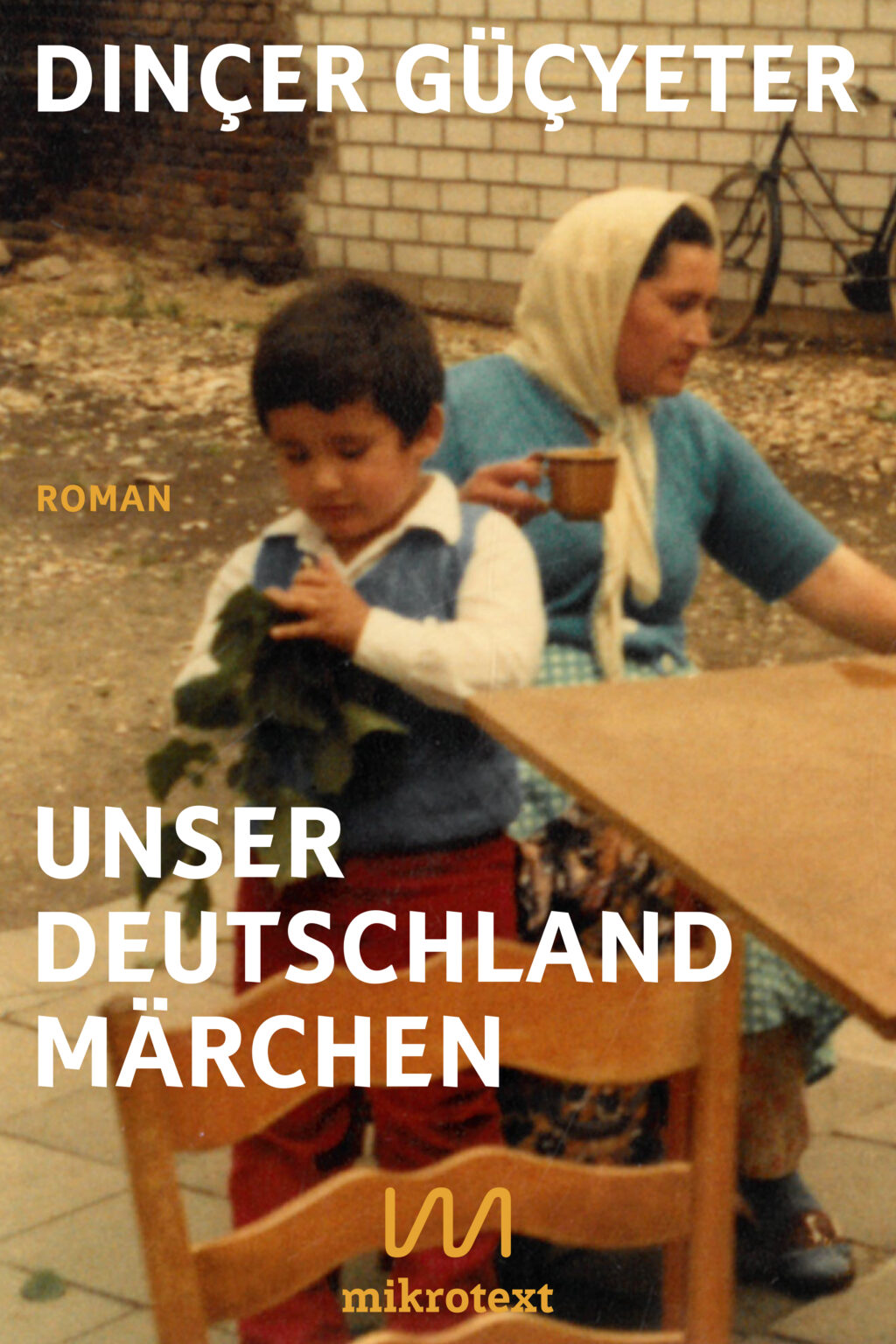
Dinçer Güçyeter (born 1979) is a theatre maker, poet, novelist, editor, and publisher. He has published several volumes of poetry, among them Mein Prinz, ich bin das Ghetto (‘My Prince, I am the Ghetto’, 2021), for which he won the Peter Huchel Prize in 2022. He also writes novels, including Unser Deutschlandmärchen (‘Our German Fairytale’, 2022) which is a New Books in German jury recommendation, and won the Leipzig Book Fair Prize. His novels carry over poetic techniques: multiple voices, generational and geographical shifts, and share the thematic concerns of his poetry: identity, history, migration, memory and place.
Matthias Politycki (born 1955) is a highly-respected figure in Germany’s literary scene, who is equally comfortable in poetry and prose. He has published over twenty novels and poetry collections throughout his career. His latest poetry collection Meisenfrei – 99 Gedichte (‘Tit-free – 99 Poems’, 2025) juxtaposes very formal poetic forms with poems about everyday life, ordinary characters, and odd moments: the bartender, the postman, a drunken night out, a taste for sake, all interwoven with classical poetic structures and ironic tone. One of Politycki’s best-known prose works is his Jenseitsnovelle (2009), translated into English by Anthea Bell as Next World Novella (2011), which blends themes of love, loss, death, and the fragility of perception. Politycki’s dual practice enriches both genres: the irony, and philosophical take in his poetry carry over into his prose, giving his novels and novellas a reflexivity and linguistic play that go beyond straightforward storytelling.
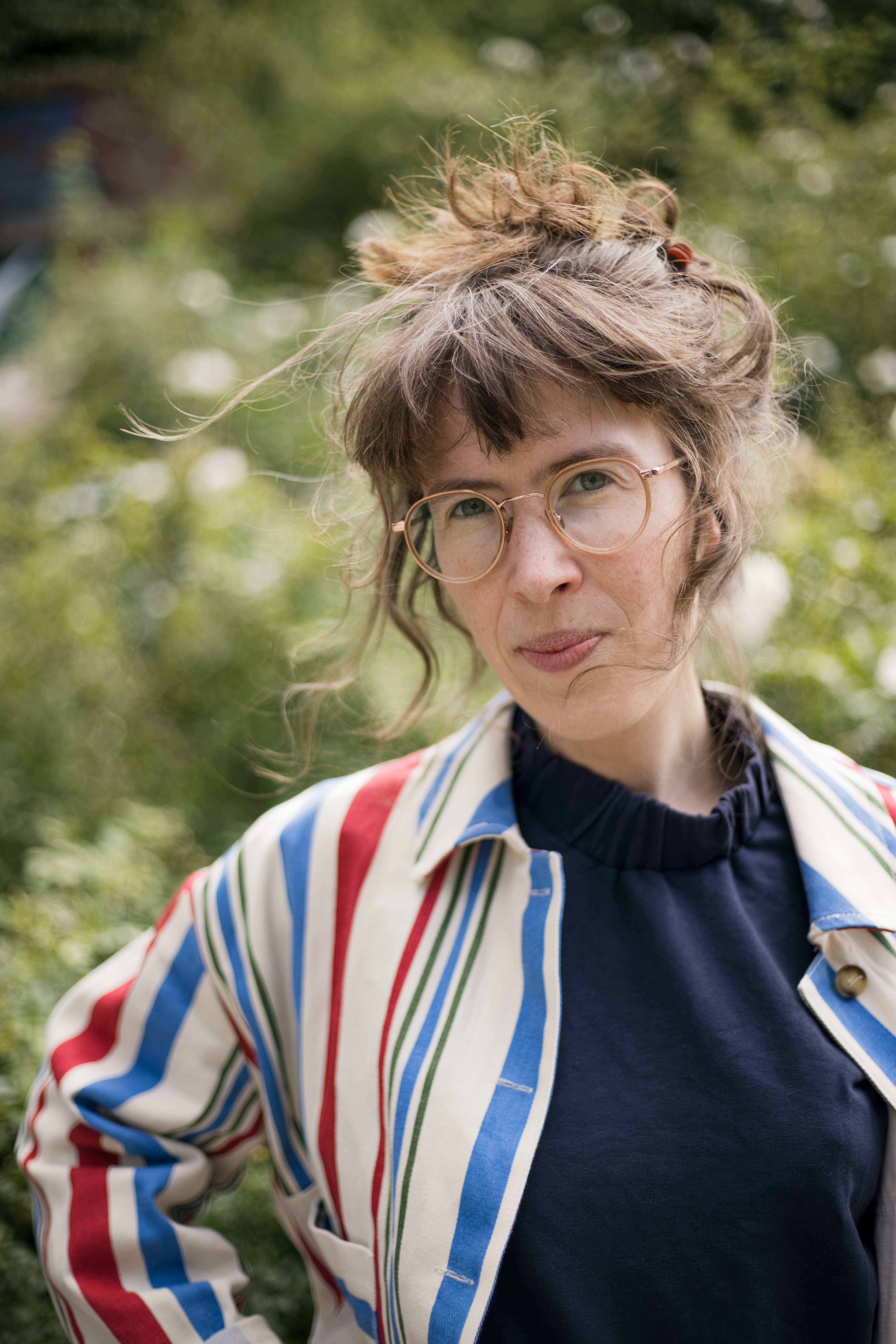
Kathrin Bach (born 1988) is a newly-published novelist who started writing poetry over a decade ago. She studied literature at the University of Hildesheim and trained as a bookseller. Her first poetry volume, Schwämme (‘Sponges’), was published in 2017; her second book of poetry, Gips (‘Plaster’), appeared in 2024. She published her debut novel, Lebensversicherung (‘Life Insurance’), in 2025, blending tragedy, humour, and social critique into a collage-like structure of memories and cultural observations. The novel was chosen by the jury and longlisted for the German Book Prize 2025.
Martina Hefter (born 1965) trained in contemporary dance in Munich and Berlin before studying at the Deutsches Literaturinstitut Leipzig. She has published four novels: Junge Hunde (‘Young Dogs’, 2001), Zurück auf Los (‘Back To Square One’, 2005), Die Küsten der Berge (‘The Shores of the Mountains’, 2008), and in 2024 she published Hey, guten Morgen, wie geht es dir? (‘Hey, good morning, how are you?’), her first novel in sixteen years. Hey guten Morgen, wie geht es dir? was awarded the 2024 German Book Prize and has been praised for its poetic language. Alongside her prose, Hefter has written five volumes of poetry. Her poems explore the fragmented texture of daily life, foregrounding the body and its states of motion and rest, as well as themes of identity, absence, and the fraught space between speaking and remaining silent.
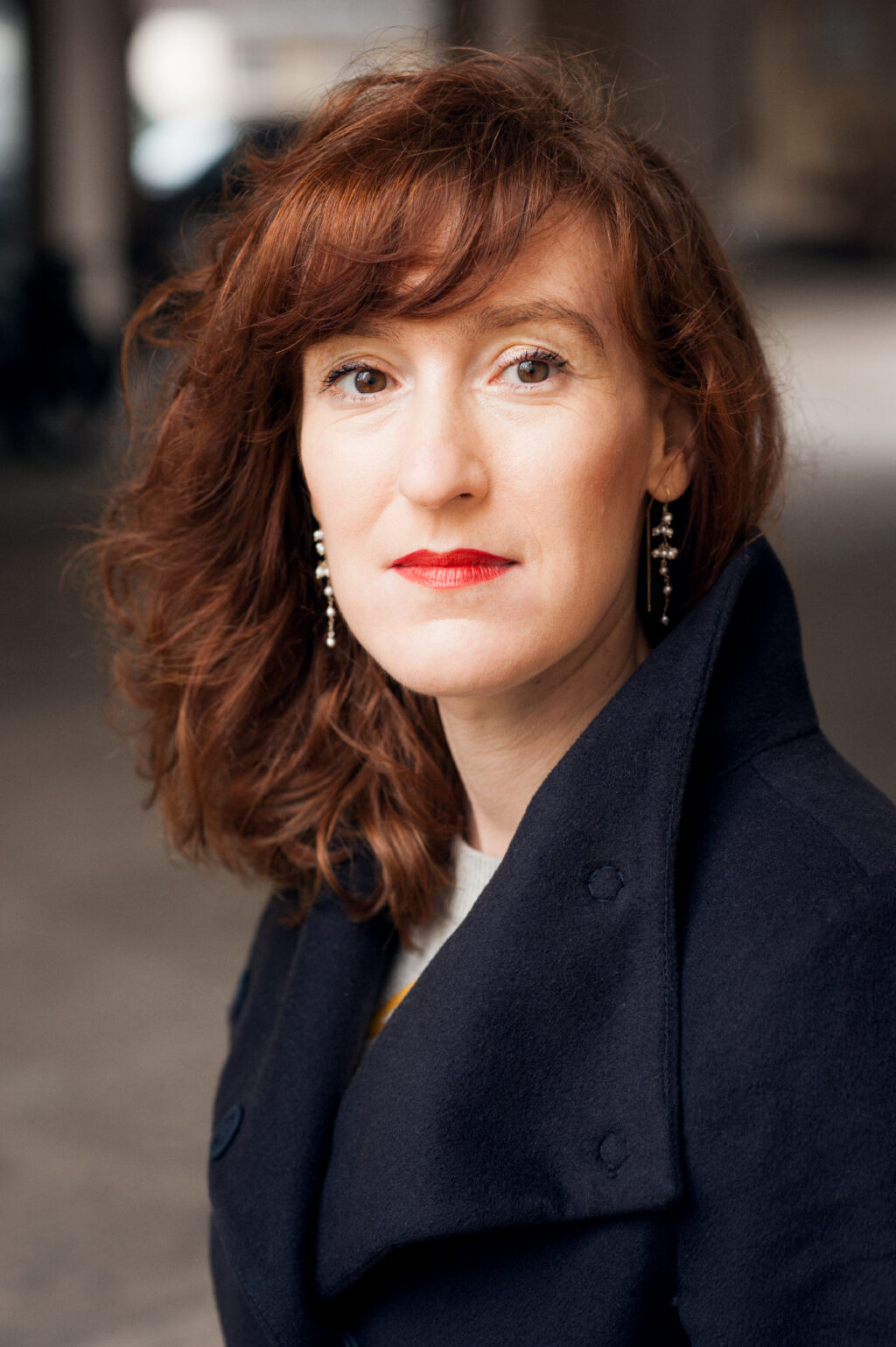
Nora Bossong (born 1982) is well-established as an author of both poetry and prose. She has published numerous poetry collections, including Reglose Jagd (‘Silent Hunting’, 2007), Sommer vor den Mauern (‘Summer Before the Walls’, 2011), and Kreuzzug mit Hund (‘Crusade with Dog’, 2018). Her novels include Gegend (‘Area’, 2006), 36,9° (2015), Schutzzone (‘Protection Zone’, 2019) and more recently Reichskanzlerplatz (2024), a fictionalised retelling of the life of Magda Goebbels, which was recommended by New Books in German and longlisted for the 2024 German Book Prize. Her poetry is marked by intellectual precision, irony, and formal elegance, qualities that also infuse her prose, though her novels tend to focus on broader political and historical landscapes. Together, her poetry and fiction create a body of work that navigates the intersection of private emotion and public life, using lyric intensity and narrative depth to interrogate power, memory, and moral responsibility.
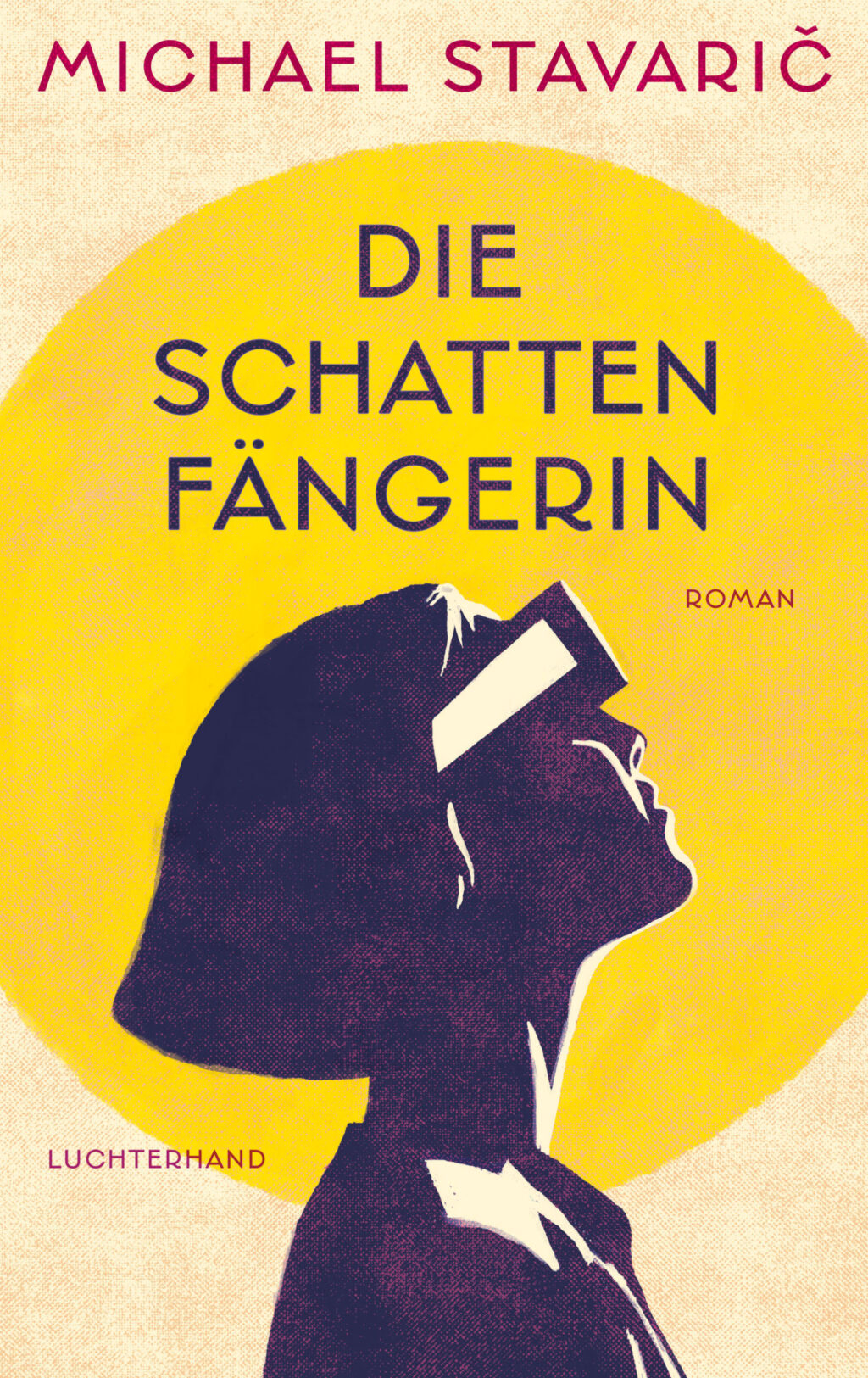
Michael Stavarič (born 1972) is an Austrian writer who works across a range of genres. His novels include the ‘lyrically vibrant’ Terminifera (‘Terminifera’, 2007) and, most recently, Die Schattenfängerin (‘Shadowcatcher‘, 2025), recommended by us. Stavarič’s prose works often combine lyrical texture with narrative experimentation: plots are not always linear, and ordinary settings are transformed by surreal or allegorical elements that probe identity, memory, and perception. Among his numerous volumes of poetry, the recent Die Suche nach dem Ende der Dunkelheit (‘The Search for the End of Darkness’, 2023) includes a cycle of poems set by the sea, exploring transience and longing. Stavarič’s poetry and novels complement one another: his poetry hones his linguistic inventiveness; his prose borrows from poetry’s capacity for metaphor, fragment, and the uncanny to generate meaning beyond conventional plot.
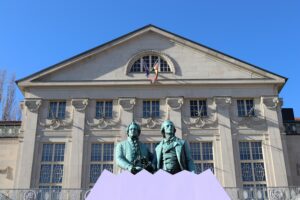
Photo by Clemens van Lay on Unsplash