Internationally acclaimed writer Saša Stanišić talks to us about his writing process, avoiding labels, and his thoughts on how literature can challenge and question how readers see the world.
Hello, can you tell us a little bit about where you are and what you are doing?
I am currently sitting at my desk with a coffee, and was until just now pretending to be working. But actually, my thoughts were just sort of swirling around. And that’s okay too: writing literature isn’t really anything but just letting your thoughts swirl around.
Can you tell us a little bit about your routine? Do you write at a desk, with pen and paper or on a computer, do you make constant notes or does it come naturally? How long do you work on a book, how do you know when it’s done and where do your ideas come from?
I write at a computer, but I make a lot of notes, particularly when I’m on the move. On my phone and in my head.
I don’t have a steady routine in the traditional sense. Main thing is that I have some uninterrupted time. It’s also really important that I keep coming back to the text and keep working at it.
A book is never really finished for me. I even change the text after it’s been published, when I do readings and I have new ideas. And luckily, they seem to keep coming. It’s the diligence which is sometimes missing.
Your books are often described as autofiction or hybrid, what do you say to that? How would you describe yourself as an author, and do you think labels like this are good or important in literature?
I can understand why some of my work is described like that. While I’m writing those kinds of classifications don’t play a role for me. I try to write in such a way that the story is as exact, as exciting, or as entertaining as possible, and only in the writing of it does the genre reveal itself. And even this, for example in Herkunft (Where you come from, tr. Damion Searls), is not always so clear.
Maybe labels help readers to orient themselves, but I’m not sure. I do know however that they can somehow make a text ‘tighter’, when they connect the expectations connected to labels with the text, and then there’s much greater room for disappointment. This is why some of my books don’t come with any label or genre definition.
In your book Herkunft, which won the German book prize in 2019, you wrote about your experience as a refugee. You are also known as someone who is politically engaged, and your books often eloquently describe the multicultural identity of Germany. In Vor Dem Fest, for example, you write about locations and situations where far right ideology is currently flourishing, and your most recent book, Mein Unglück beginnt damit, dass der Stromkreis als Rechteck abgebildet wird, a book of your speeches, shows that you often talk about politics. How important is it to you to use your platform as a writer? How do you think literature can contribute towards making the world better?
Literature doesn’t change the world directly, and to think that would actually be pretty naïve. But it can change how someone sees the world, or how we see one another. Be that through embodied information, an unusual (but not unique) perspective or simply through empathy for certain characters, literature can provide attention, even recognition, or best of all, a desire to act. And as an author you absolutely have a responsibility for what you write, naturally, as a platform is an important force for good.
You grew up as bilingual, how would you describe your relationship with the German language?
We understand each other brilliantly!
I try and engage with translators of my work when it’s possible, but I trust them too.
Saša Stanišić
Your books have already been translated into more than 30 languages. What does this mean to you, and how much do you have to do with the process? Are you actively involved, for example with Damion Searls, the English translator of Herkunft?
It means an awful lot to me. That a text can travel further, sometimes even to places where I myself have never been, makes me proud and happy. I try and engage with translators of my work when it’s possible, but I trust them too. And I think a good translation is not a copy, it’s its own work, with its own aesthetic worth.
Is there one of your books which you would particularly like to see in English, which you think an English readership would enjoy? For example one of your books for children, or your collection of short stories, Möchte die Witwe angesprochen werden, platziert sie auf dem Grab die Gießkanne mit dem Ausguss nach vorne, which is selected by the New Books in German jury?
I like all my books and I can recommend them all!
Can you tell us what you are currently working on?
On the follow up to my YA novel Wolf!
Thank you so much!
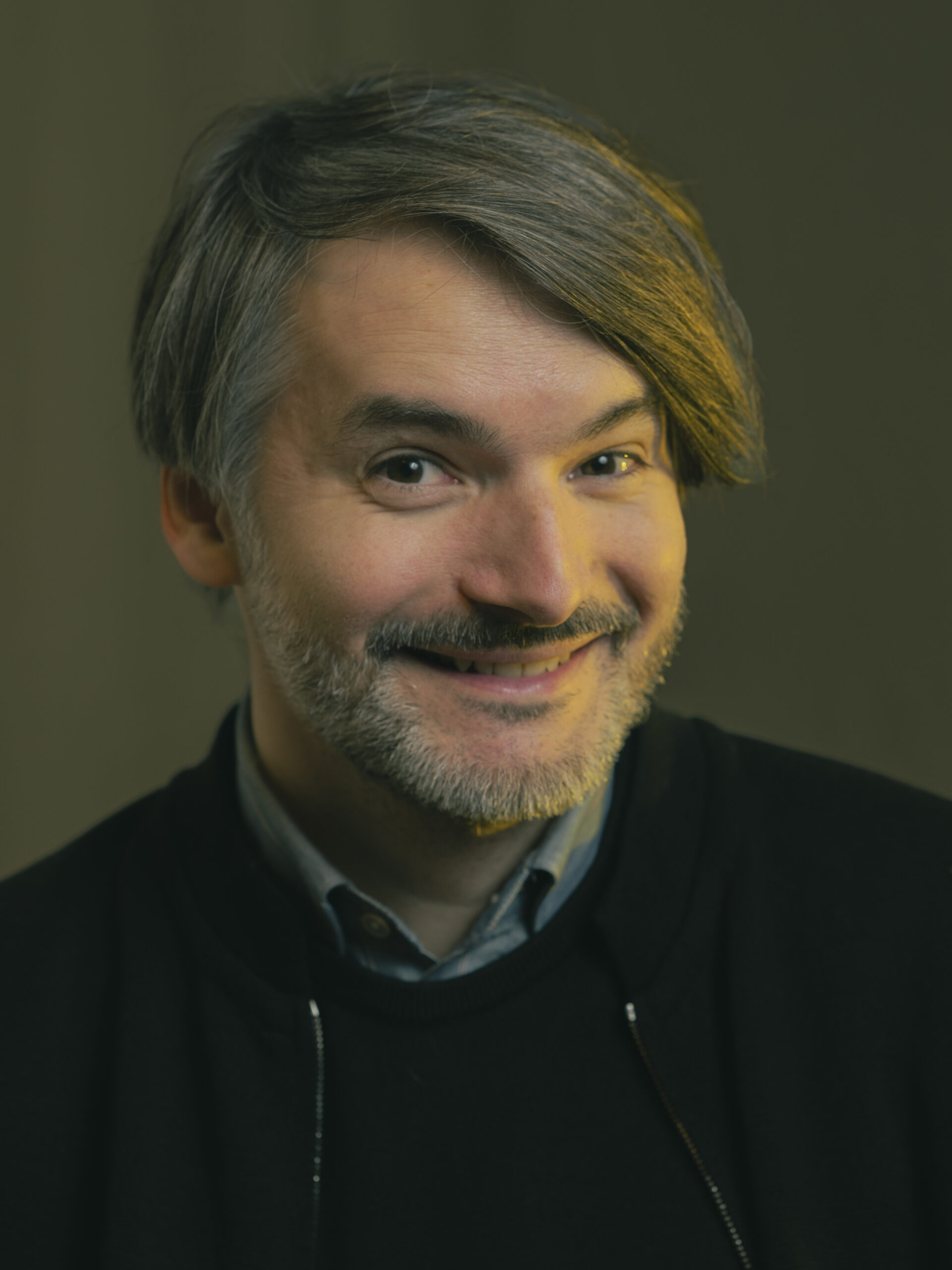
Author photo © Magnus Terhorst