
Our Spring 2026 selection brings together outstanding books from Austria, Germany, and Switzerland, chosen by our expert jury for their strong international potential.
From nearly one hundred publisher submissions, the jury selected these titles for their literary quality, topical relevance, and particular appeal to English-language readers.
Thanks to the generous support of the Austrian Federal Ministry for Housing, Arts, Culture, Media and Sport, the Goethe-Institut, and Pro Helvetia, each jury-selected title comes with guaranteed financial support for an English translation if acquired by an English-language publisher.
Below, you’ll find an overview of the selected books, organised alphabetically within the fiction and nonfiction sections. On each individual book page, you can generate and share a downloadable PDF with full details by clicking the Create PDF button.
All books currently covered by the funding guarantee can be explored here – the guarantee remains in place for five years after jury selection.
Fiction

Paradise Beach (Paradise Beach) by Dara Brexendorf
A moving contemporary debut set in a quiet German town on the Baltic coast. Ada, the protagonist, is recovering from surgery for endometriosis. During a series of sleepless nights, she sorts through old photographs while listening to the rhythmic throat-clearing of her neighbour in the flat above.
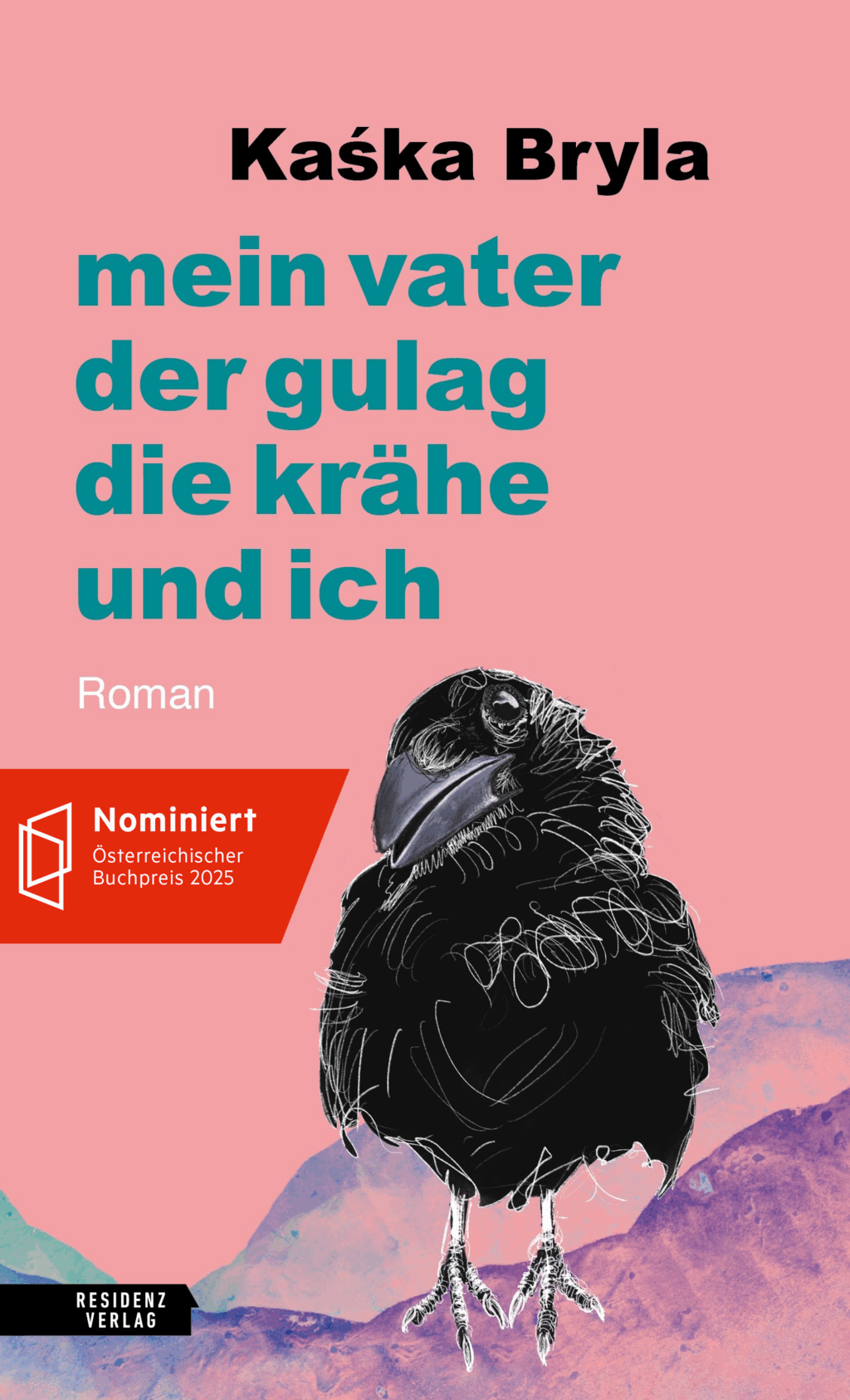
My Father, the Gulag, the Crow and Me (Mein Vater der Gulag die Krähe und ich) by Kaśka Bryla
While the world is paralysed by the pandemic, the narrator lives in a caravan park community, seriously ill and struggling to survive both physically and emotionally. A wonderful, quirky, life-enhancing book whose fierce intelligence and remarkable associative style make it a compelling contribution to contemporary European literature.
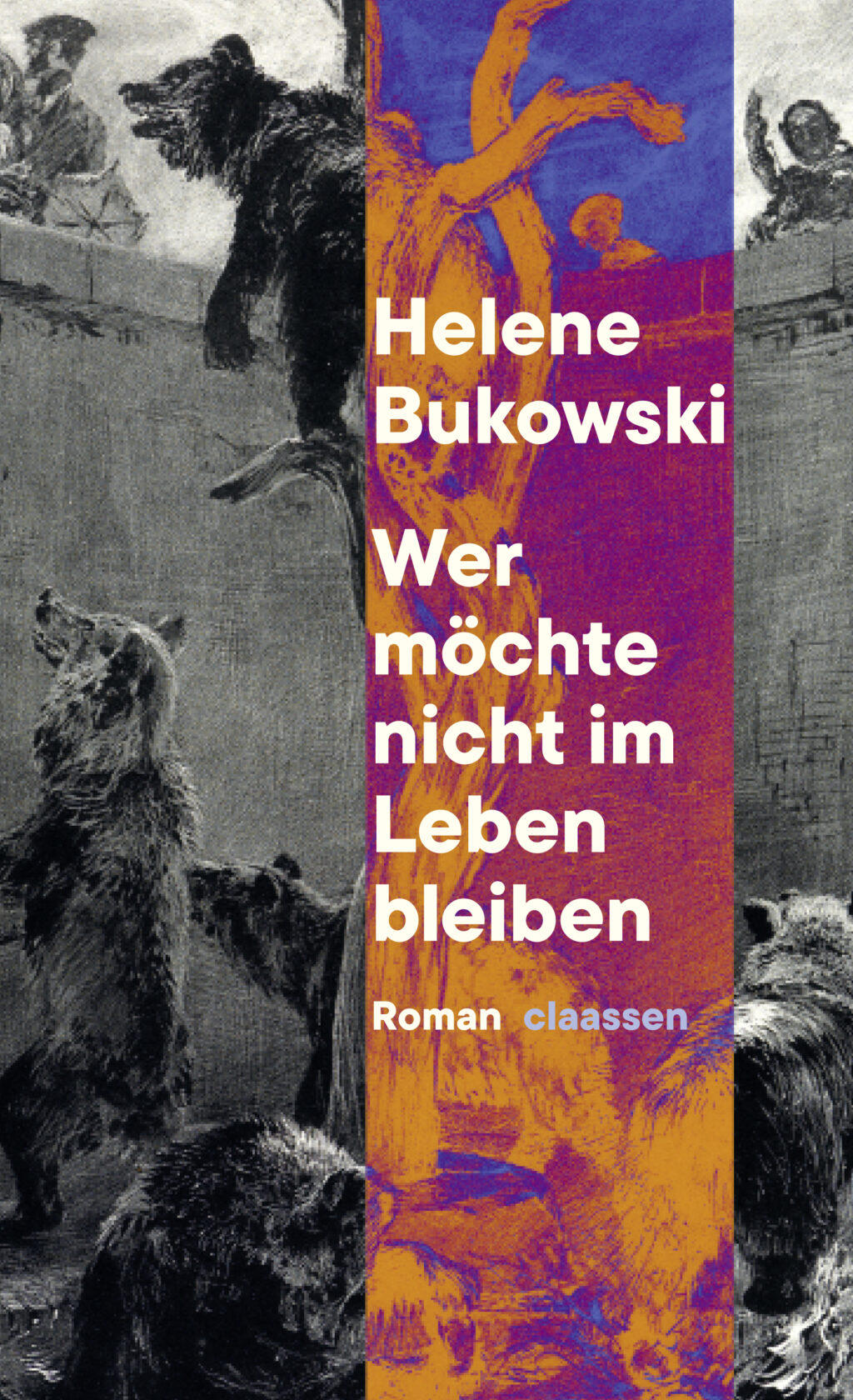
Who Does Not Want to Stay in Life (Wer möchte nicht im Leben bleiben) by Helene Bukowski
A poignant literary reconstruction of the life of Christina, a gifted young pianist born in the GDR. Her story begins in the forests of East Germany before her family moves to a glass-fronted apartment block in Neubrandenburg. Under the disciplined tutelage of her father, an opera singer, she develops into a formidable pianist.

Shadows of the Pine (Schatten der Pinus) by Martina Caluori
Swiss poet and storyteller Martina Caluori crafts a meditative, fragmentary glimpse into the lives of four disparate souls residing at a desolate campground ‘somewhere by the sea’. Caluori strikes a masterful balance between abundance and desolation. Despite the small scope of this 128-page work, spanning just a couple of days, the emotional stakes are high.
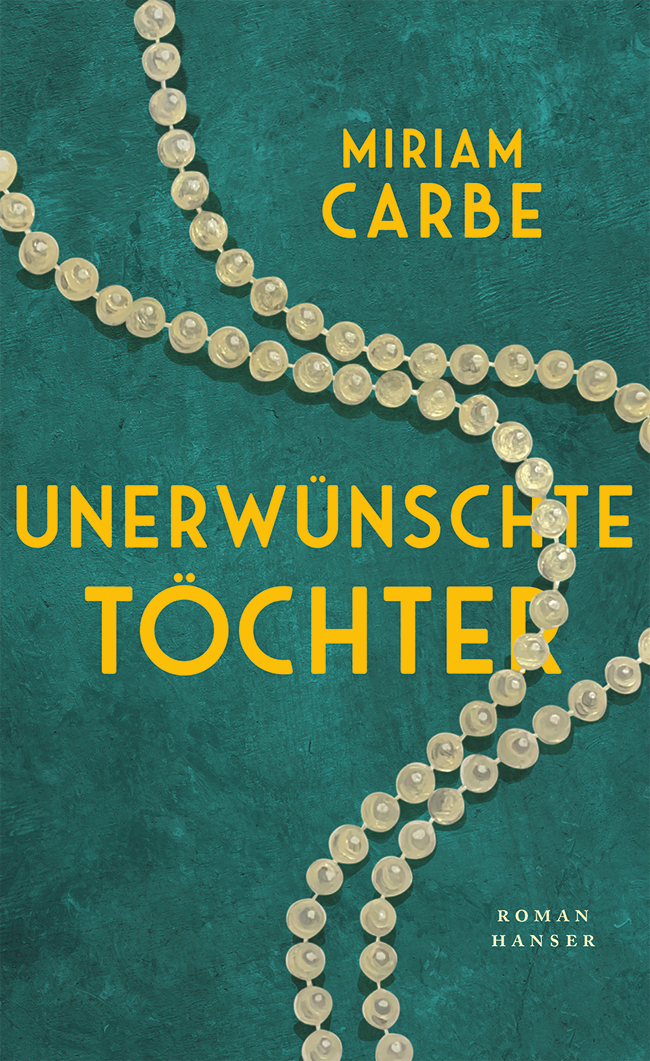
Unwanted Daughters (Unerwünschte Töchter) by Miriam Carbe
Carbe traces the lives of four generations of women within her own family, from the early 1900s to the present day. This is a sweeping, multi-generational saga which examines social class, the slow creep of Nazism, and the persistence of racism and antisemitism in Germany.
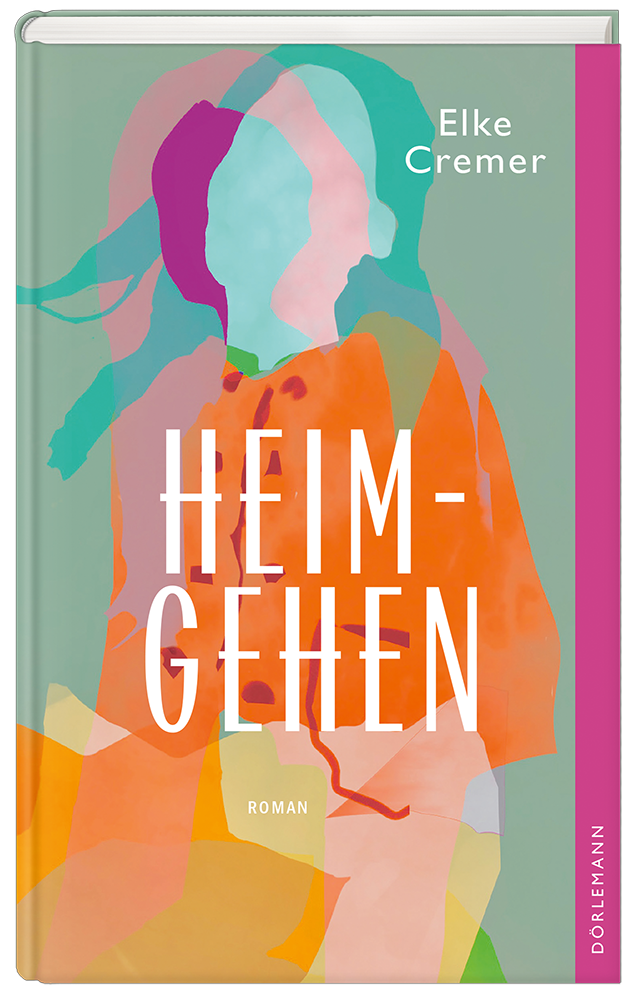
Going Home (Heimgehen) by Elke Cremer
Poet Elke Cremer uses a harrowing act of public violence – a mass shooting in a café – to create a fragmented group portrait of modern life. Cremer’s tender, haunting work will appeal to fans of Claire Keegan. ‘Going Home’ offers a timely perspective on a form of violence that sadly transcends international borders.
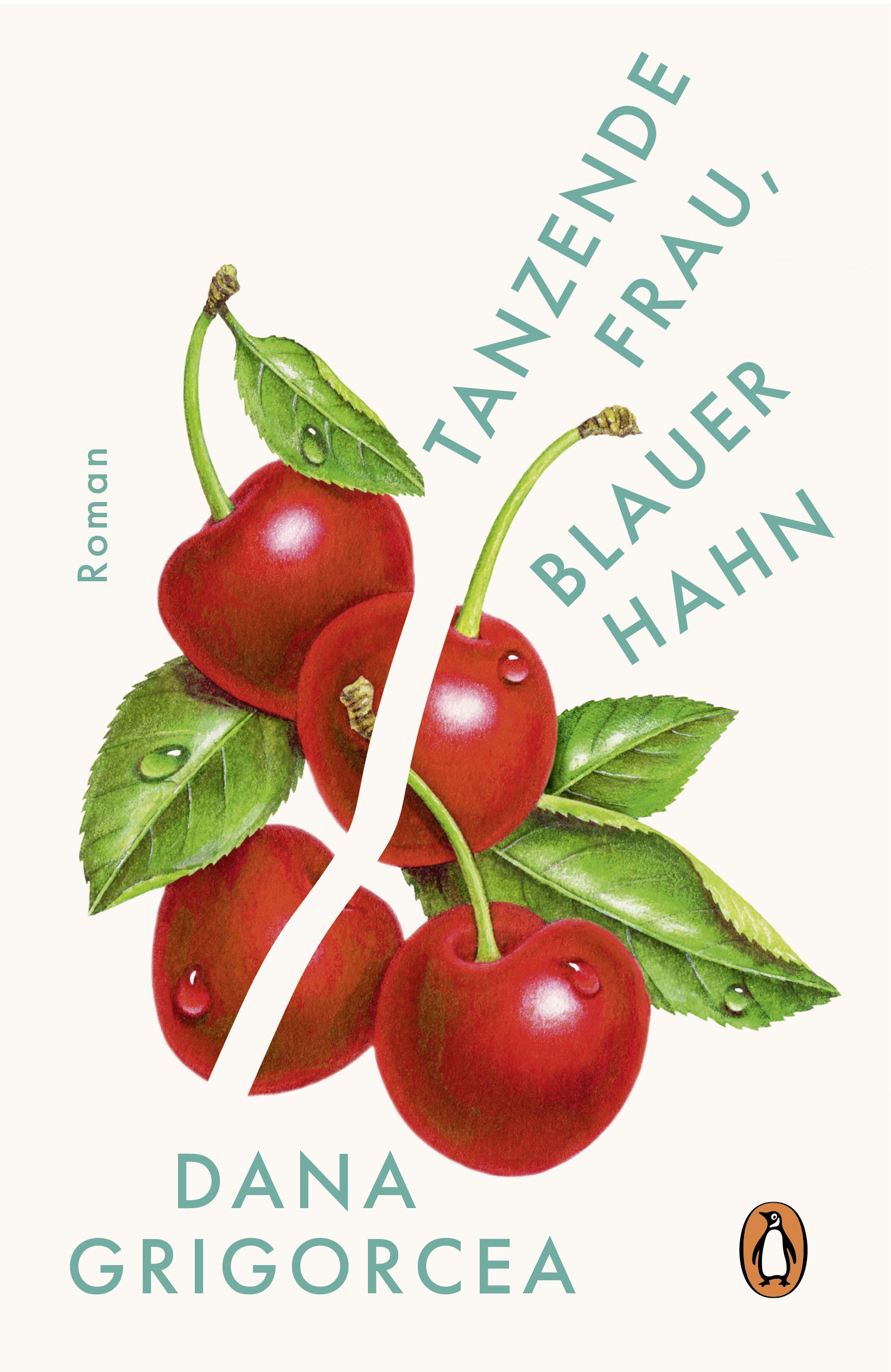
Dancing Woman, Blue Rooster (Tanzende Frau, blauer Hahn) by Dana Grigorcea
Set in the Romanian mountain town of Bușteni, the novel captures the heat and buoyancy of childhood summers in the 1990s through the eyes of Roxana, a young girl from Bucharest who finds sanctuary at her grandmother’s house. The style is clear and delicate, treading a fine line between the levity of adolescent discovery and the gravity of the social ruptures following the fall of communism.
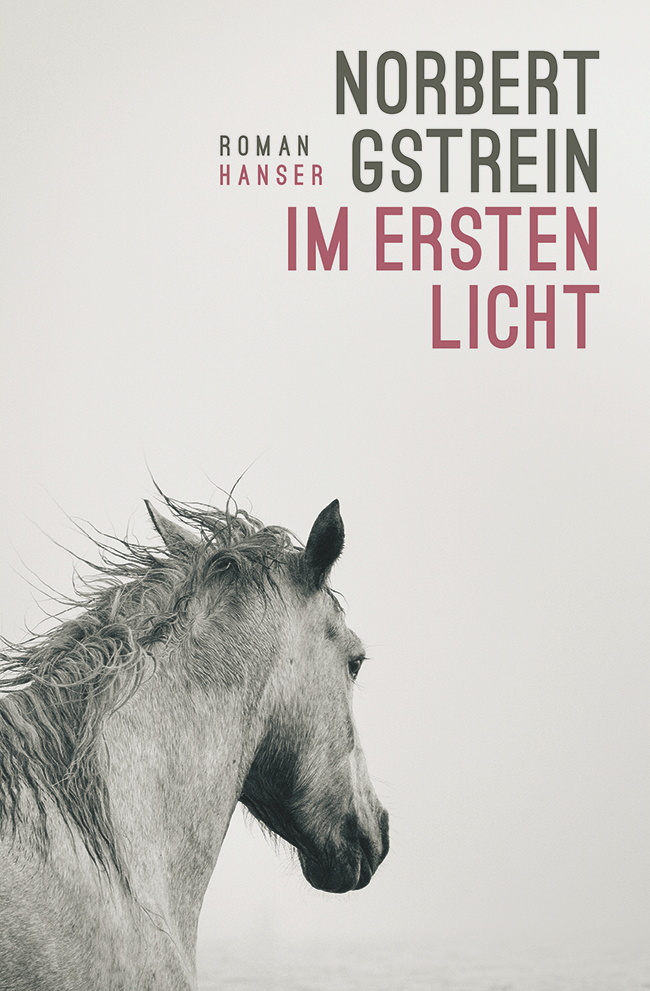
At First Light (Im ersten Licht)
by Norbert Gstrein
A life story that stretches from the aftermath of the First World War into late old age, Gstrein’s novel follows its central character as he moves through a century shaped, and misshapen, by mass violence. This serious, readable war novel avoids heroics and focuses instead on complicity, silence, and the quiet ways people excuse themselves.
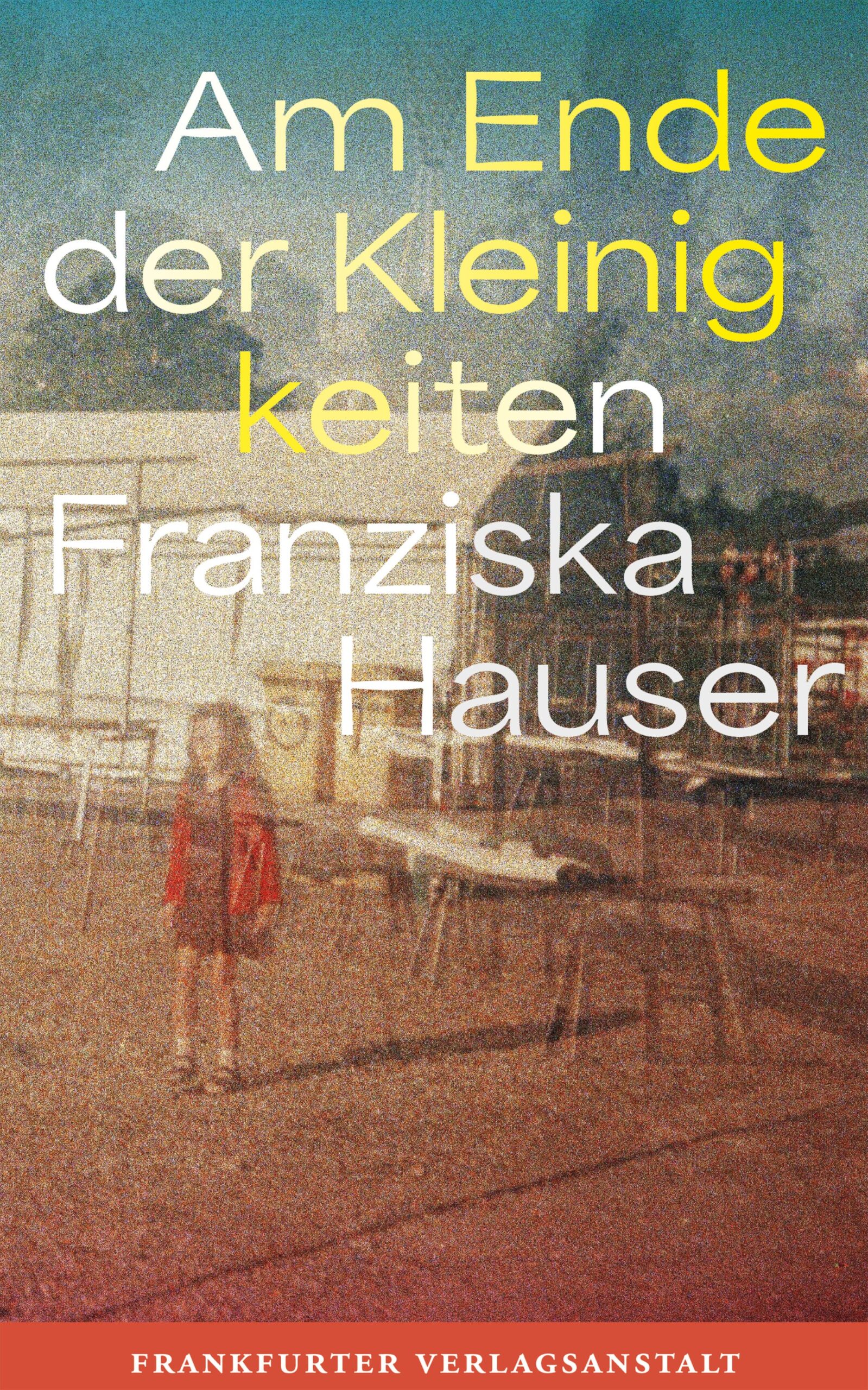
At the End of Small Things (Am Ende der Kleinigkeiten) by Franziska Hauser
Set against the backdrop of post-unification Germany, the story follows Irma, who grows up in an alternative rural commune. While intended as a utopia of freedom and independence from bourgeois norms, for Irma the commune is a place of emotional instability and constant vigilance.

I Want to go Back in Time (Ich möchte zurück gehen in die Zeit) by Judith Hermann
A slim but profoundly evocative memoir that examines the unreliable, fragmentary nature of family memory. Hermann is particularly curious about her grandfather, who was a member of the SS and stationed in Radom, Poland during WWII. Hermann’s signature minimalist style has never been sharper than in this quiet masterpiece of the unsaid.

Loops (Schleifen) by Elias Hirschl
Protagonist Franziska Denk is born into the heady intellectual circles of early 20th-century Vienna. Franziska suffers from a mysterious, psychosomatic condition in which her body physically manifests any medical symptom she hears or reads about. Hirschl’s background as a slam poet is evident in the rhythmic, engaging flow of his prose.

Centaur (Gelb, auch ein schöner Gedanke)
by Nefeli Kavouras
‘Centaur’, offers an unusual and profoundly moving exploration of at-home palliative care through the lens of a fractured mother-daughter relationship. A teenage girl, Lea, and her mother, Ruth, navigate the protracted demise of Lea’s father, Georg The novel’s short, unadorned chapters alternate between Lea and Ruth’s perspectives and provide insights into their mutual isolation.

ë (ë) by Jehona Kicaj
A quiet, exacting book about the Kosovo war’s legacy in the diaspora, and about everything that cannot be properly said but nonetheless shapes a life. A series of dentist visits becomes the frame for an obsessive, piecemeal search for knowledge about the 1998–99 conflict.

Valley of Swallows (Tal der Schwalben) by Seraina Kobler
Valley of Swallows, imagines ‘a different Switzerland in a new time’, where the cities have fused into a dominant ‘Metropolitane’ and the Alps have become a sealed exclusion zone, officially for power generation but in practice because repeated disasters have made the mountains ungovernable.
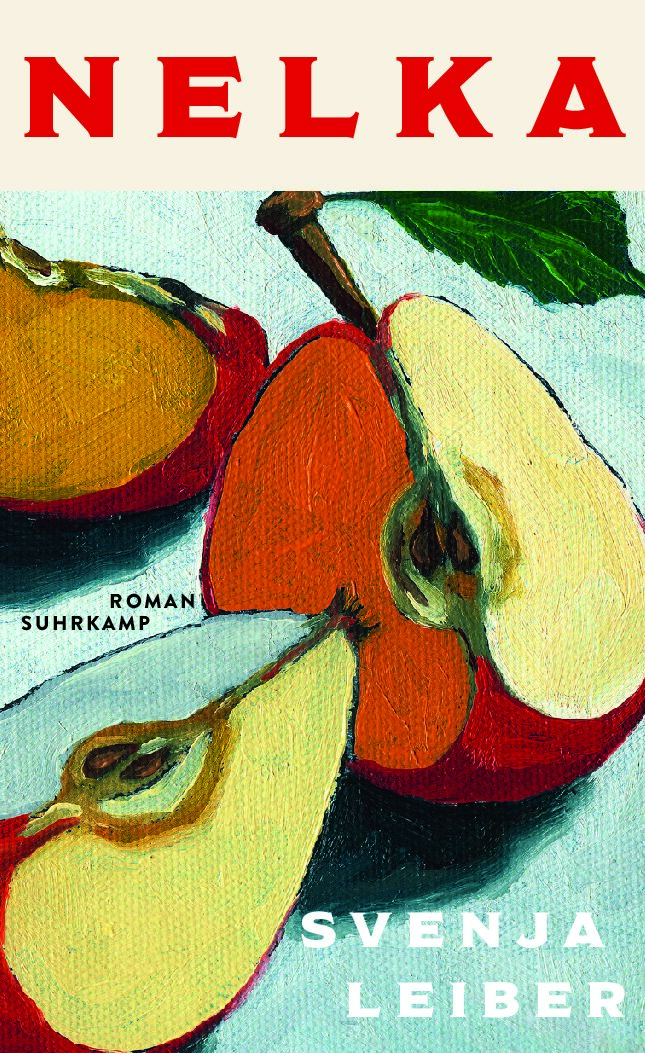
Nelka (Nelka) by Svenja Leiber
Set in the Second World War and the early 1990s, Nelka follows a woman who returns, decades later, to the northern German estate where she was once imprisoned and put to work on an apple farm, and where an unresolved reckoning still hangs in the air. Tautly structured and rich in recurring images, ‘Nelka’ returns over and over again to the theme of grafting.
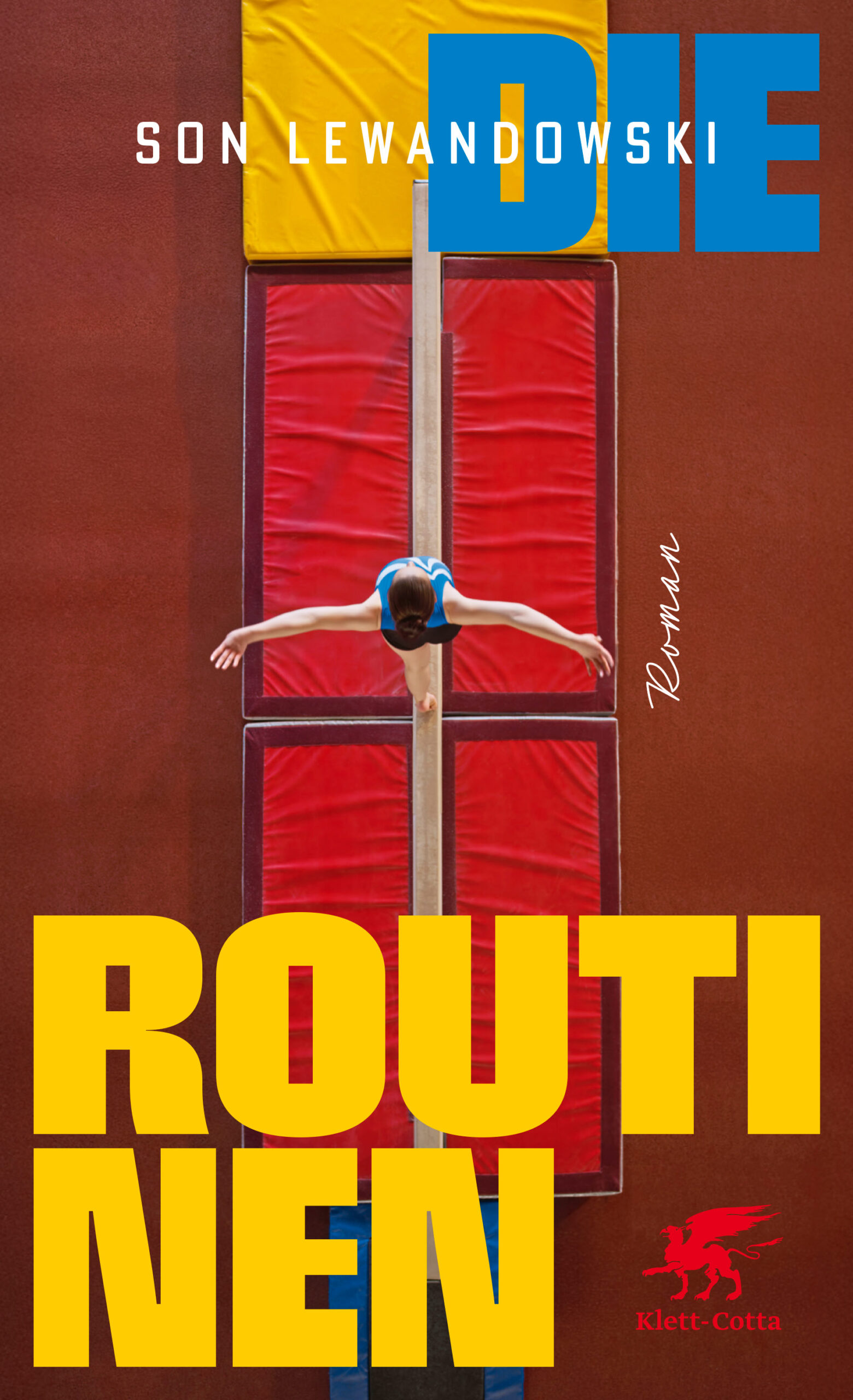
The Routines (Die Routinen) by Son Lewandowski
A hard-edged, hybrid look at women’s elite gymnastics. It opens at a breaking point: at the 2023 European Championships in Antalya, Amik watches her younger rival Izzy fall from the bars and end up in intensive care. The shock of that moment starts pulling the whole system into focus.

A Different Story (Eine andere Geschichte) by Charles Lewinsky
An ageing Jewish film producer, Curtis Melnitz, tries to blag a prescription for sleeping tablets, only to find himself sentenced to regular psychoanalysis instead. What begins as reluctant grumbling turns into something more like pleasure, as Melnitz starts telling his life story on the couch, one session per chapter.

Outsize (Sperrgut) by Sophia Merwald
At the centre of this novel is the Lusthansa, a house and refuge built illegally by Chrissie, or Kristalloma (‘Crystal Granny’), on an abandoned industrial site she calls ‘Kummerfeld’, ‘sorrow field’. With her partner Bruno, she establishes a home that draws in women seeking shelter and a different way of living.

Two Hands Lifting the Sky (Mit beiden Händen den Himmel stützen) by Lilli Tollkien
A raw, darkly lucid coming-of-age story set in 1980s and 1990s West Berlin. It follows Lale, a foster child raised in a left-wing all-male flatshare in Neukölln, where adult freedom is treated as sacred, and a child’s need for safety is treated as an inconvenience.
Gems (Diamanten) by David Vajda
Four siblings, half German and half Serbian, move through a series of reunions across Europe, circling the same question from different angles: what, if anything, can be repaired four years after the death of the mother who used to hold them all in place? Gems is at its most compelling when it is close to the pressure points: the siblings’ shifting alliances, the father’s neediness, the uncle’s expensive contrition.

The Year of Chalk (Das Jahr des Kalks)
by Laura Vogt
Laura Vogt’s compact novel takes grief seriously without dressing it up. A writer in her early thirties is bracing for the death of her beloved uncle, Per, while also living with an absence that dates further back, that of her father, Per’s brother, who left the family years earlier and has effectively erased her from his life.
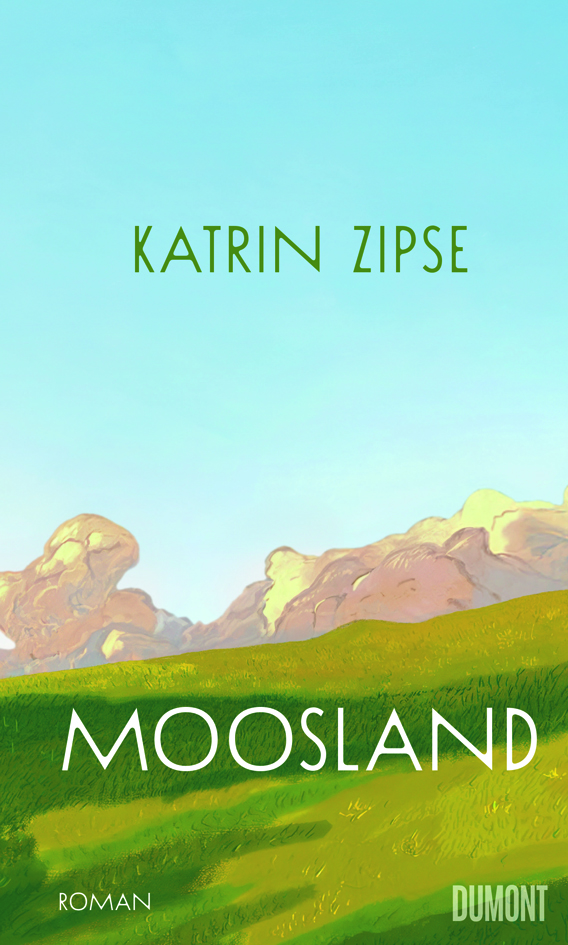
Land of Moss (Moosland) by Katrin Zipse
Set in 1949, this novel draws on a little-known post-war episode: hundreds of young German women travelled to Iceland for a year of farm work, arriving with little knowledge of the language and few options, and often finding their lives remade by the place.
Nonfiction
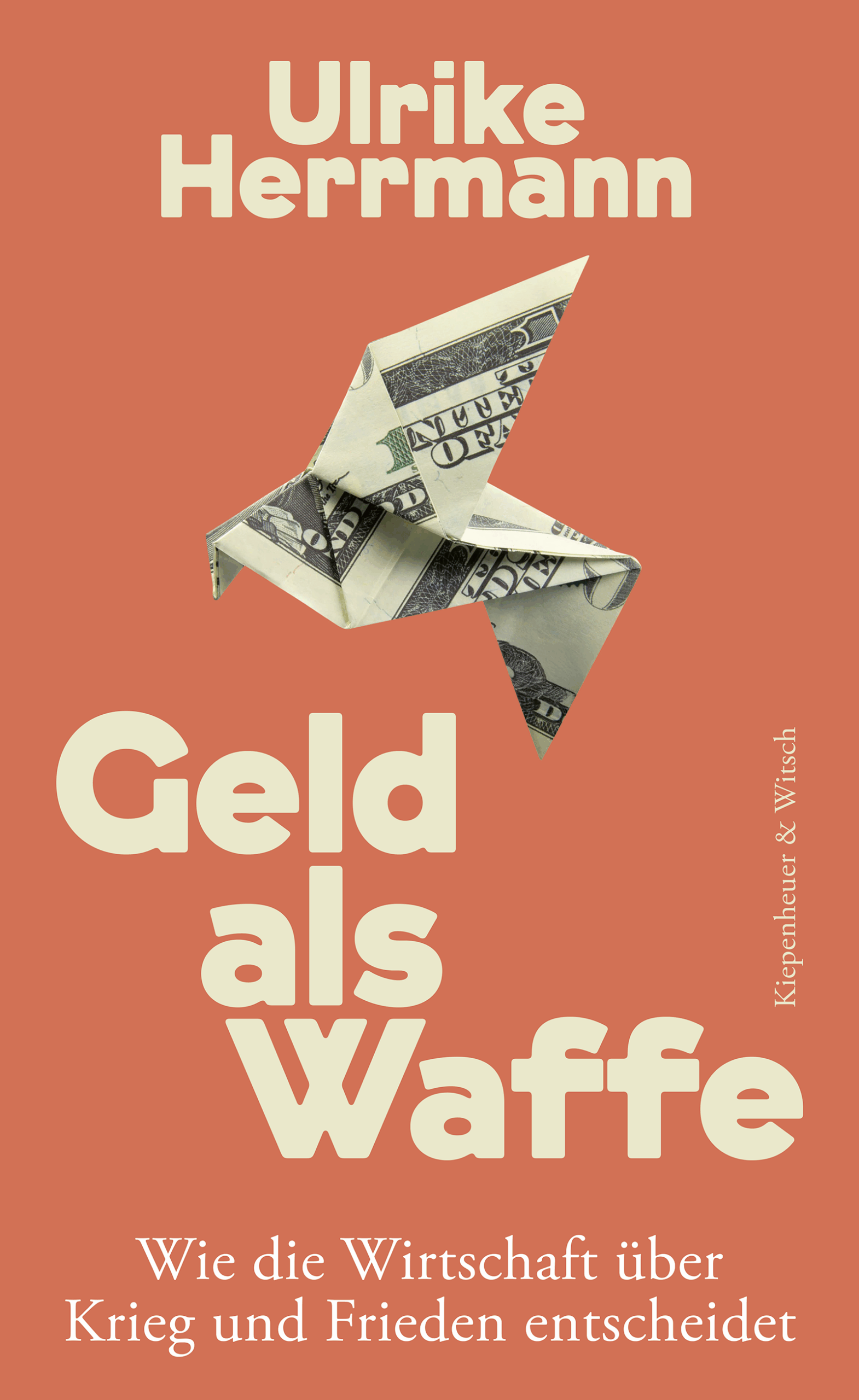
Money as a Weapon: How the Economy Decides on War and Peace (Geld als Waffe) by Ulrike Herrmann
Ulrike Herrmann’s new book starts from the simple premise that wars are won and lost as much on balance sheets and in supply chains as on battlefields. Looking at the current international order through an economic lens, Hermann argues that an understanding of production capacity, sanctions, debt, trade dependencies, and industrial planning is essential if Europe wants to deter aggression and avoid escalation.

The Multipolarisation of the World (Die Multipolarisierung der Welt) by Volker Perthes
A clear-eyed guide to a world where the post–Cold War domination of one single power has passed, and where international Politics is shaped by competing centres of gravity. Rather than forecasting catastrophe, he focuses on how multipolarity actually works, how it shifts incentives, reshapes alliances, and makes outcomes messier but not necessarily more random.
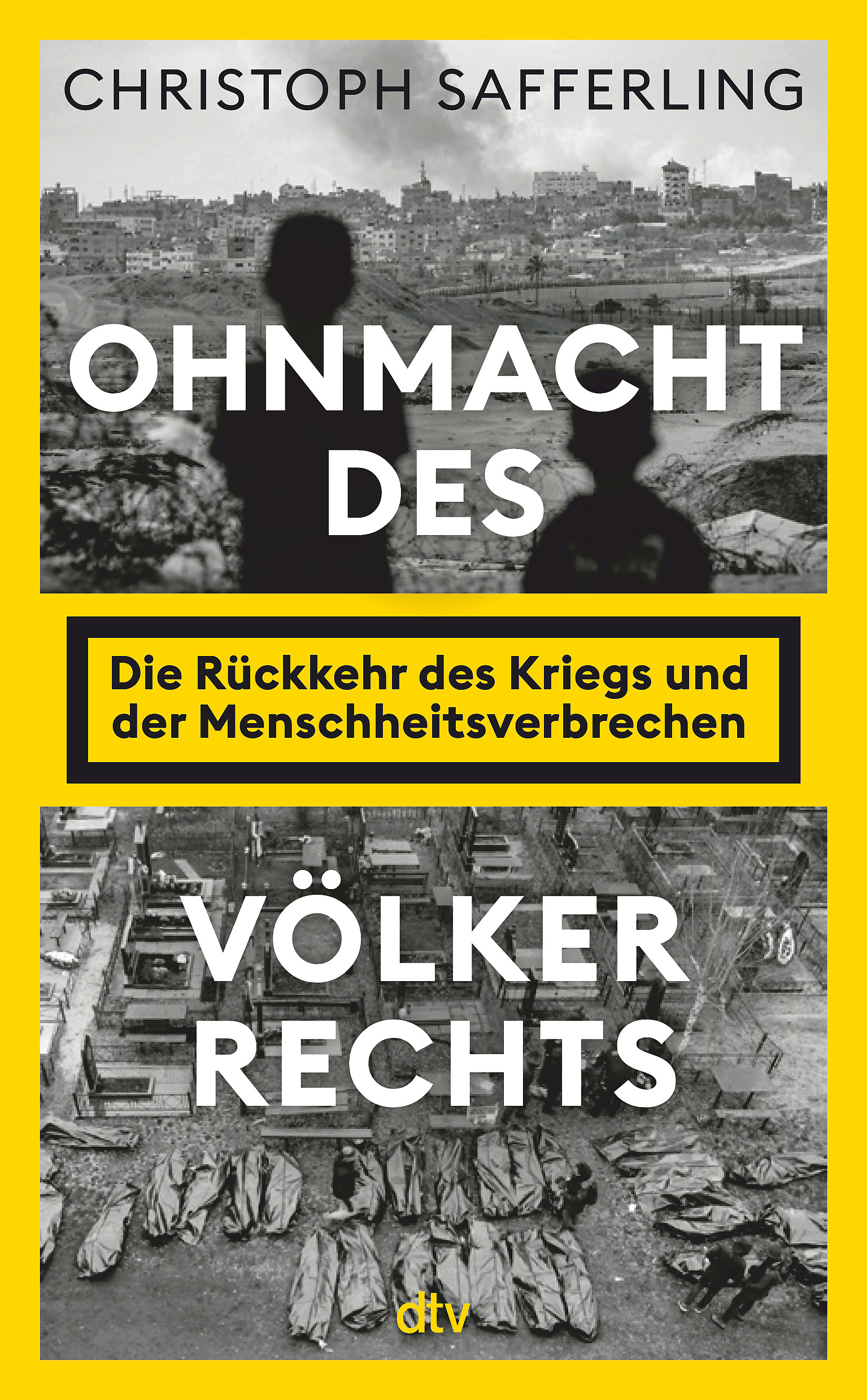
The Impotence of International Law: The Return of War and Crimes Against Humanity (Ohnmacht des Völkerrechts) by Christoph Safferling
Provides a clear-eyed historical survey of international justice, tracing its evolution from the Peace of Westphalia (1648) to the current crises in Ukraine and Gaza. The book moves beyond mere theory to ask a fundamental question: what can international law realistically achieve when its primary institutions appear increasingly paralysed?
Photo by Tomer Dahari: https://www.pexels.com/photo/bokeh-photography-of-black-framed-eyeglasses-1331386/