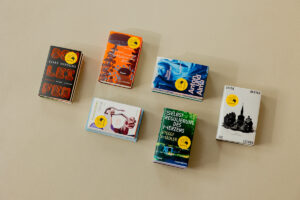

Our Autumn 2026 selection brings together outstanding books from Austria, Germany, and Switzerland, chosen by our expert jury for their strong international potential.
From nearly one hundred publisher submissions, the jury selected these titles for their literary quality, topical relevance, and particular appeal to English-language readers.
Thanks to the generous support of the Austrian Federal Ministry for Housing, Arts, Culture, Media and Sport, the Goethe-Institut, and Pro Helvetia, each jury-selected title comes with guaranteed financial support for an English translation if acquired by an English-language publisher.
Below, you’ll find an overview of the selected books, organised alphabetically within the fiction and nonfiction sections. On each individual book page, you can generate and share a downloadable PDF with full details by clicking the Create PDF button.
All books currently covered by the funding guarantee can be explored here – the guarantee remains in place for five years after jury selection.
Fiction

Zweifelssohn (Zweifelssohn) by Max Czollek
Zweifelssohn, the protagonist, travels alone by train from Vienna through Munich, Nuremberg, Weimar. He visits cafés, bars, museums and archives, and talks to strangers and to his girlfriend, Be. Czollek’s style combines detailed, concrete description with more abstract passages. The heavier themes of memory, loss and antisemitism are shot through with humour.
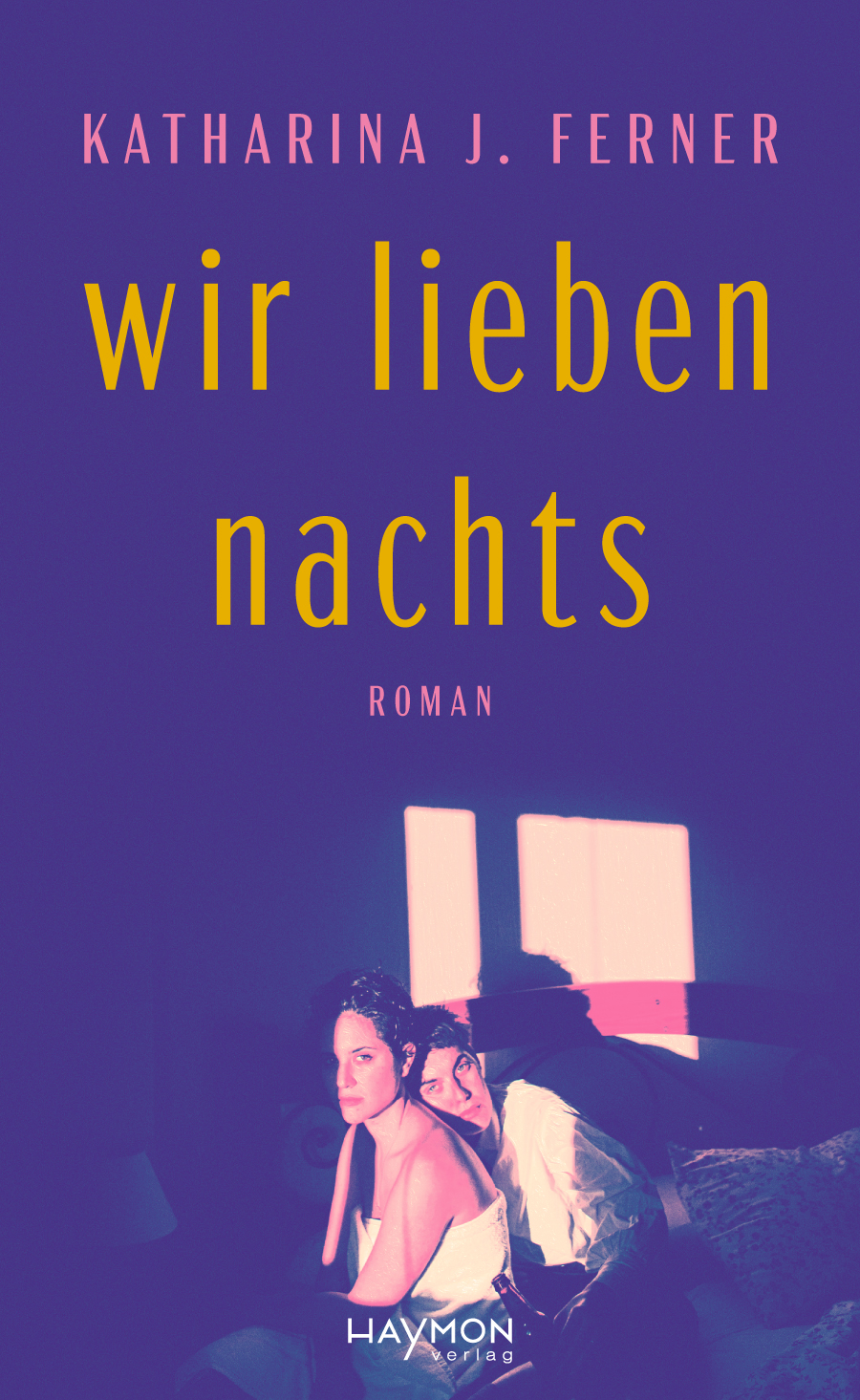
We Love at Night (Wir lieben nachts) by Katharina J. Ferner
Paulina, a young journalist, meets Bella, an established figure in Vienna’s art scene at Café Venezia, where Paulina gives Bella a copy of Sappho along with a handwritten poem. Structured in three parts, the novel traces the relationship from its uncertain beginning through a period of closer domestic life, and on into its later, more settled stage.
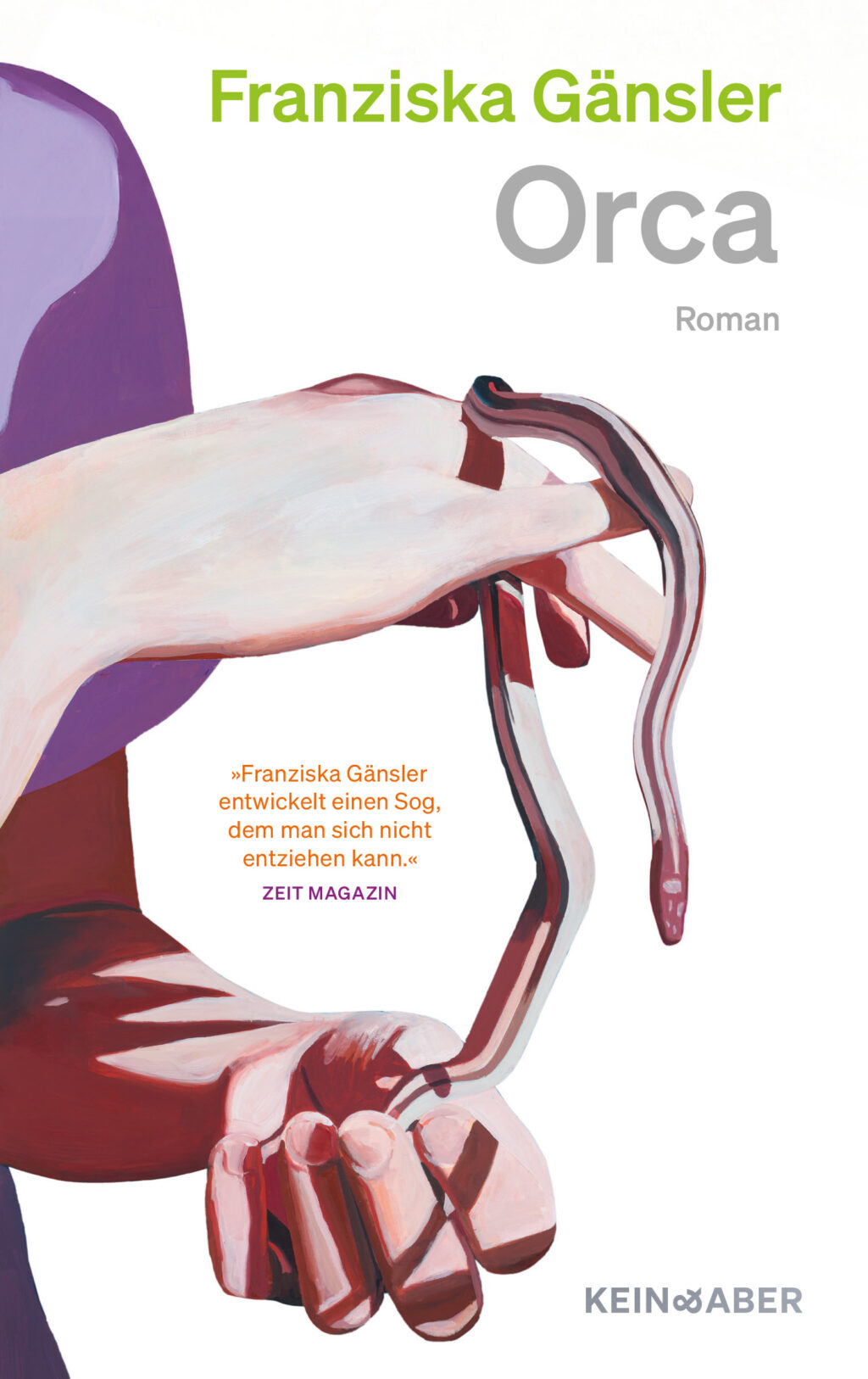
Orca (Orca) by Franziska Gänsler
Cora is in her early twenties, working at a supermarket meat counter, when she learns that her childhood friend Olympia has been arrested for the murder of a prominent CEO, Eleonore Brecht. The story explores questions of friendship, belonging and the unpredictability of violence among a group of teenagers, and is threaded through with ecological concerns.
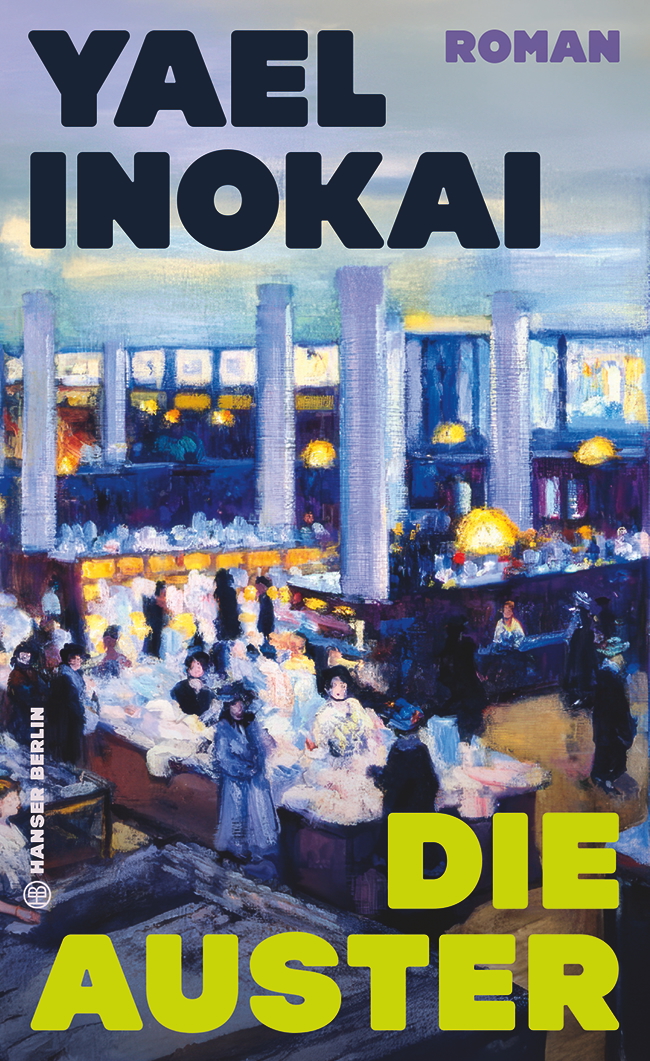
The Oyster (Die Auster) by Yael Inokai
When seventy-three-year-old Leonora arrives to clean the home of her long-time employer, department store director Dr Bronstett, she finds him brutally murdered. Leonora is an unforgettable protagonist: pragmatic, wryly funny and deeply relatable. Her voice lends warmth and subtle irony to a novel that refuses easy judgements.
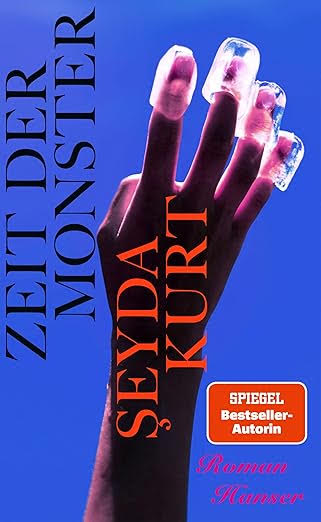
Age of Monsters (Zeit der Monster) by Şeyda Kurt
Şeyda Kurt’s debut novel is set over seven days in the Cologne suburb of Kalk, where rumours of an approaching apocalypse and a coming messiah are spreading through the neighbourhood. The novel draws together political satire, myth, and close observation of daily life, exploring how community forms and holds together under pressure.
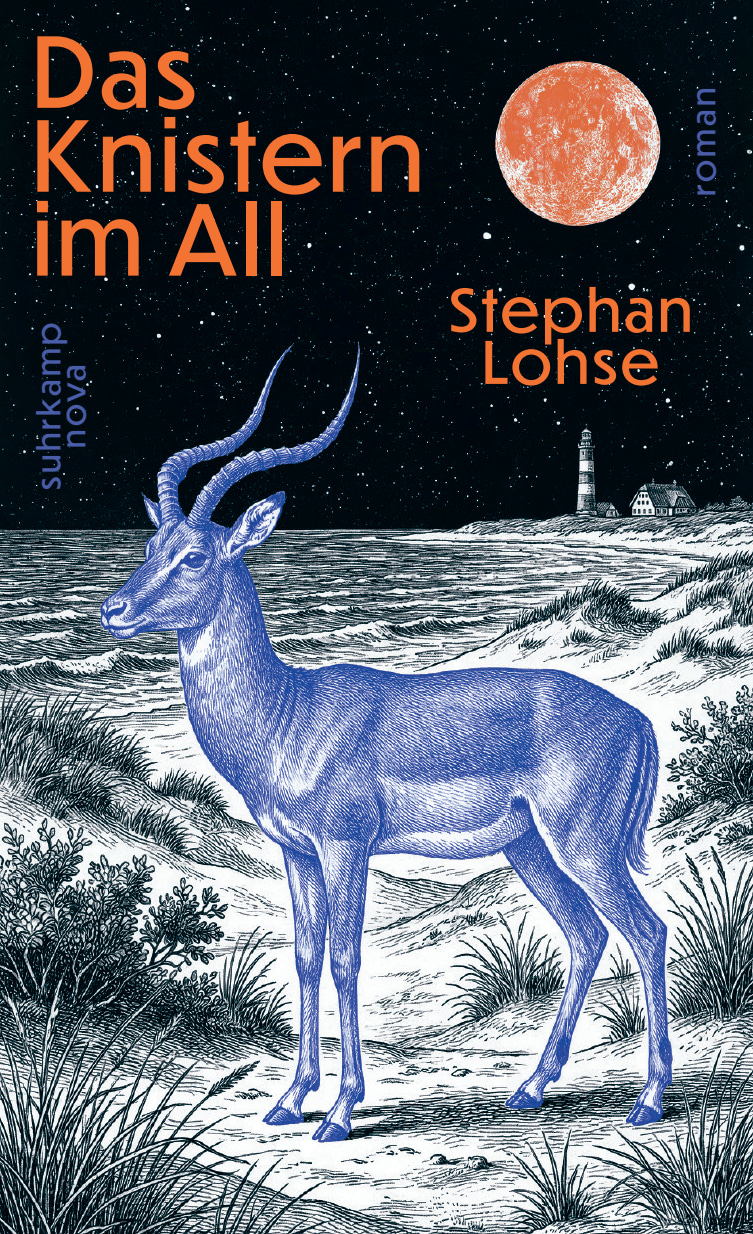
The Crackling in the Cosmos (Das Knistern im All) by Stephan Lohse
The novel opens on a school trip to the island of Amrum on the Baltic coast, where Matti has a mental breakdown during a night out with his classmates and begins seeing an antelope in the dunes, a vision that recurs at later moments of crisis. This coming-of-age narrative with commentary on contemporary German identity will appeal to readers of Sally Rooney and Christian Kracht’s Eurotrash.
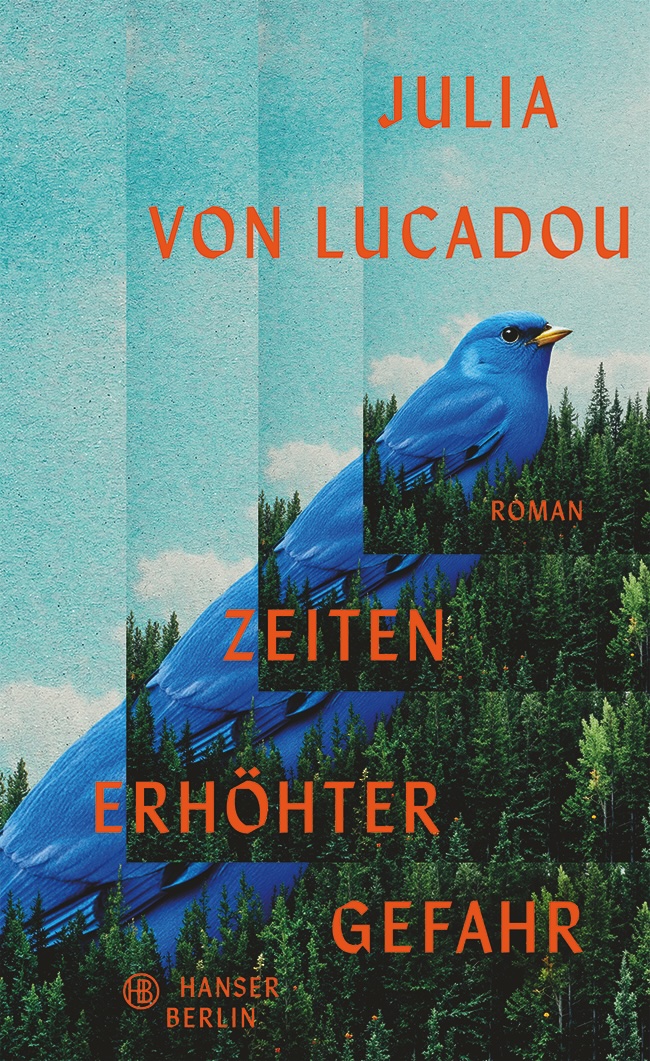
Times of Heightened Danger (Zeiten erhöhter Gefahr) by Julia von Lucadou
The novel follows Jot, a middle-aged man working for a company that sells physical security infrastructure, from panic rooms to large-scale bunkers, to wealthy clients. The novel draws on psychological research into false memory and eyewitness unreliability, alongside references to Kafka’s The Trial and Luigi Cornaro’s Discourses on a Sober Life, both of which occupy Jot’s thoughts without offering him resolution.
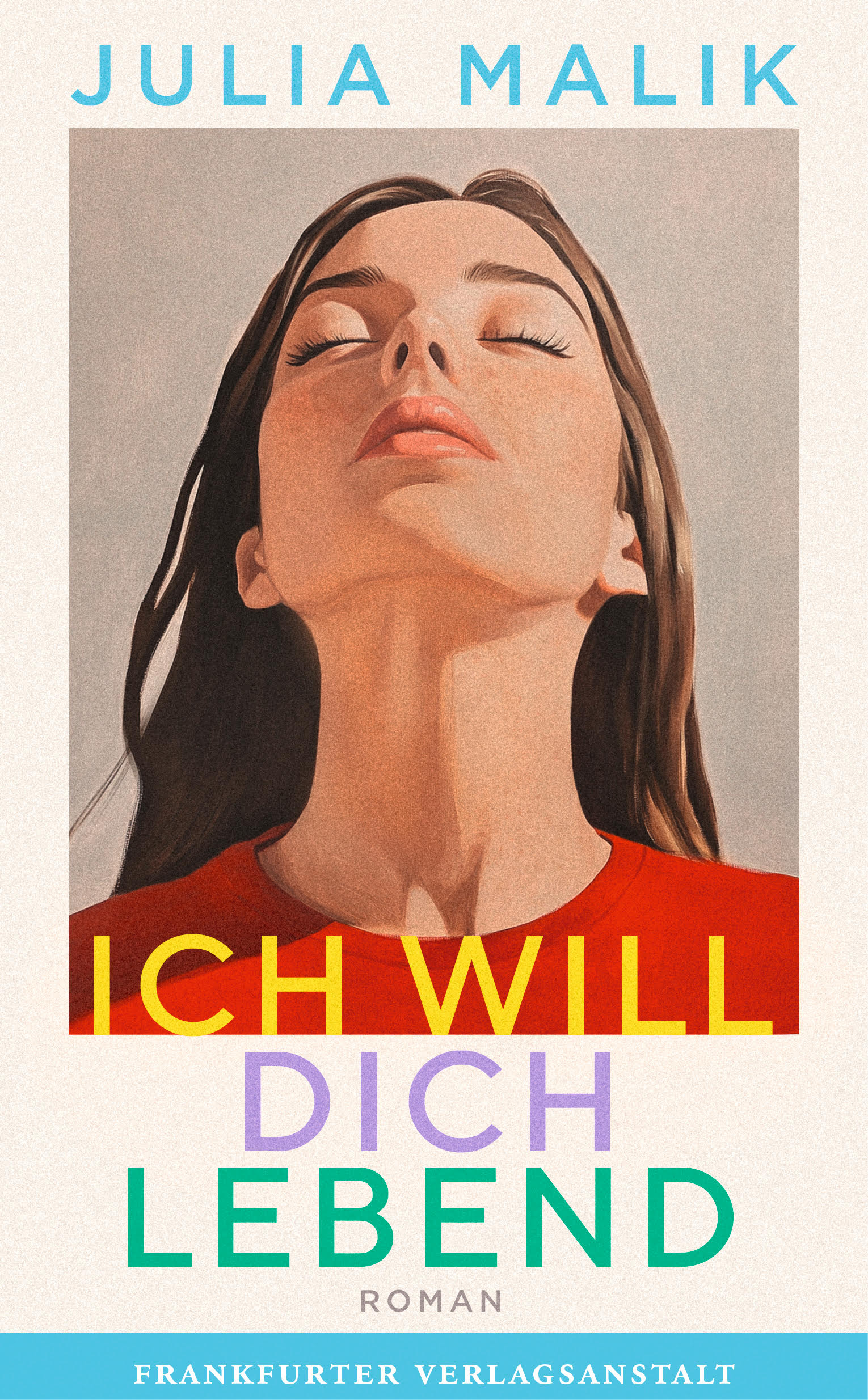
I Want You Alive (Ich will dich lebend) by Julia Malik
A novel about violence against women, told through its effects on the victim, her best friend, and the perpetrator’s family. It opens on the morning of a preliminary court hearing. The narrator, Jeanne’s account of the present-day story is interwoven with her recollections of earlier events, gradually filling in the family history that lies behind the central crisis.
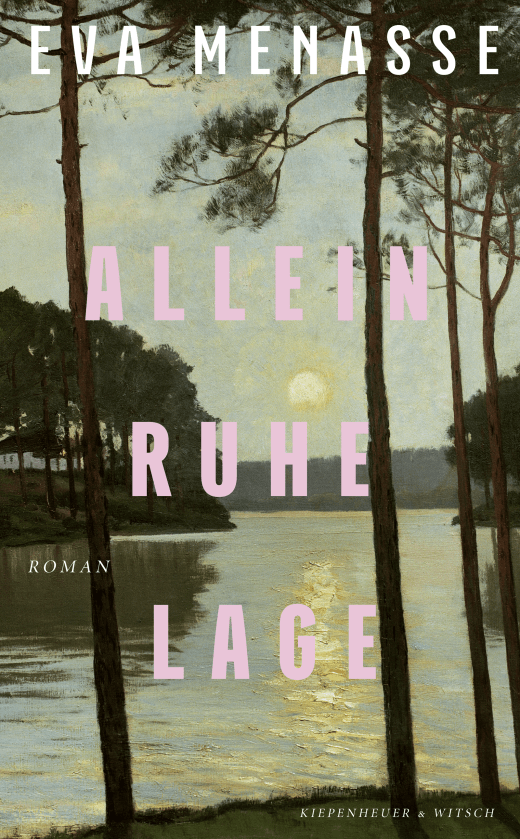
Seclusion (Alleinruhelage) by Eva Menasse
A poignant, witty novel about memory, home and the painful process of letting go, ‘Seclusion’ follows a woman as she prepares to sell the country house that has shaped her adult life. Structured as a series of fluid, associative recollections, the book moves effortlessly between present and past, allowing objects and architectural details to unlock whole chapters of the narrator’s life.
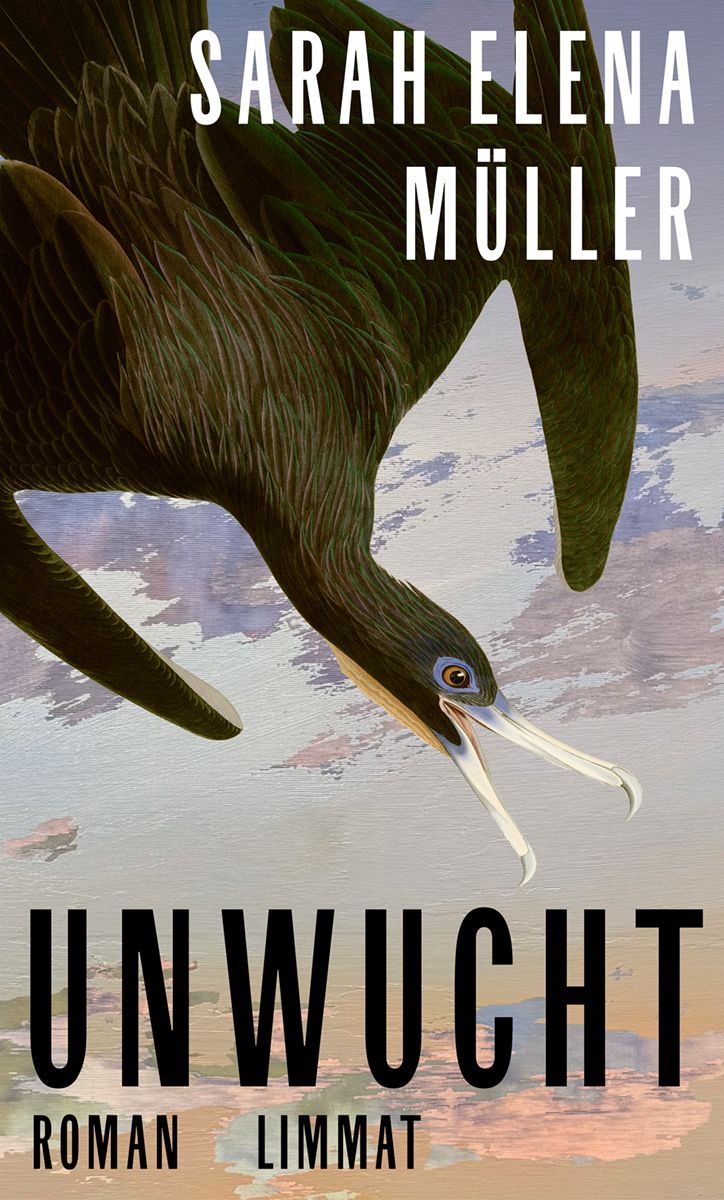
Imbalance (Unwucht) by Sarah Elena Müller
Swiss author Sarah Elena Müller combines lyrical prose with psychological insight to create an intimate portrait of dependency, memory and artistic creation. Alice loves Rio, but Rio loves meth. Ten years her senior, he drifts between periods of fragile stability and prolonged disappearances into a self-destructive world of drugs and crime.
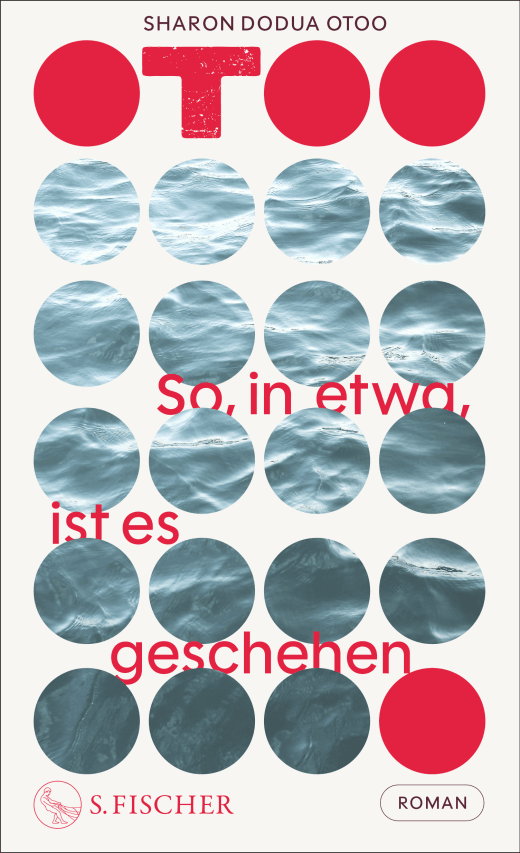
This is Kinda How It All Went Down… (So, in etwa, ist es geschehen) by Sharon Dodua Otoo
A road novel set in contemporary Germany, and centred on Amata Haller, an Afro-German woman who kills her boss during a car journey to the Baltic coast. On the night before her trial, Amata writes an account of the day’s events for her publisher and close friend, Nkechi.
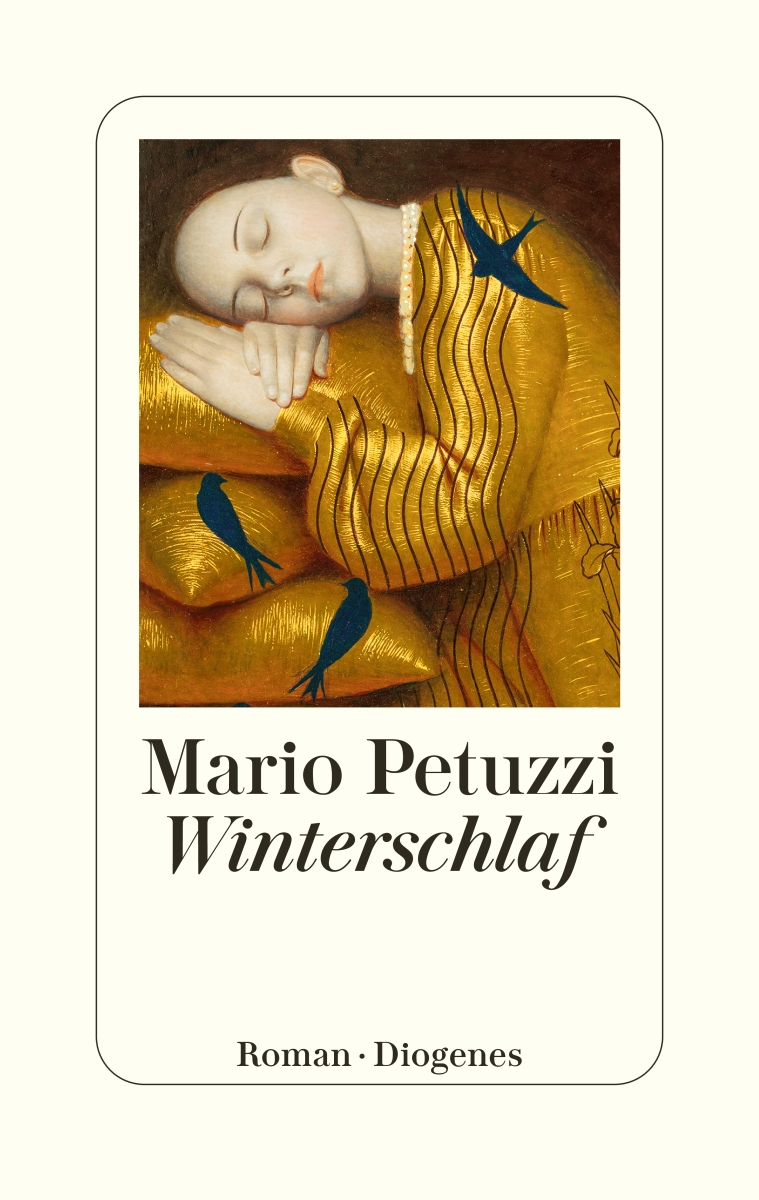
Hibernation (Winterschlaf) by Mario Petuzzi
Each spring, young twins – a brother and sister – descend into the cellar to wake their mother from her winter-long sleep. Frail at first, she slowly regains her strength and begins recording the prophetic dreams she experienced during hibernation. Petuzzi’s prose combines lyrical descriptions of forests, snow and mountain landscapes with the unsettling intrusion of contemporary life.
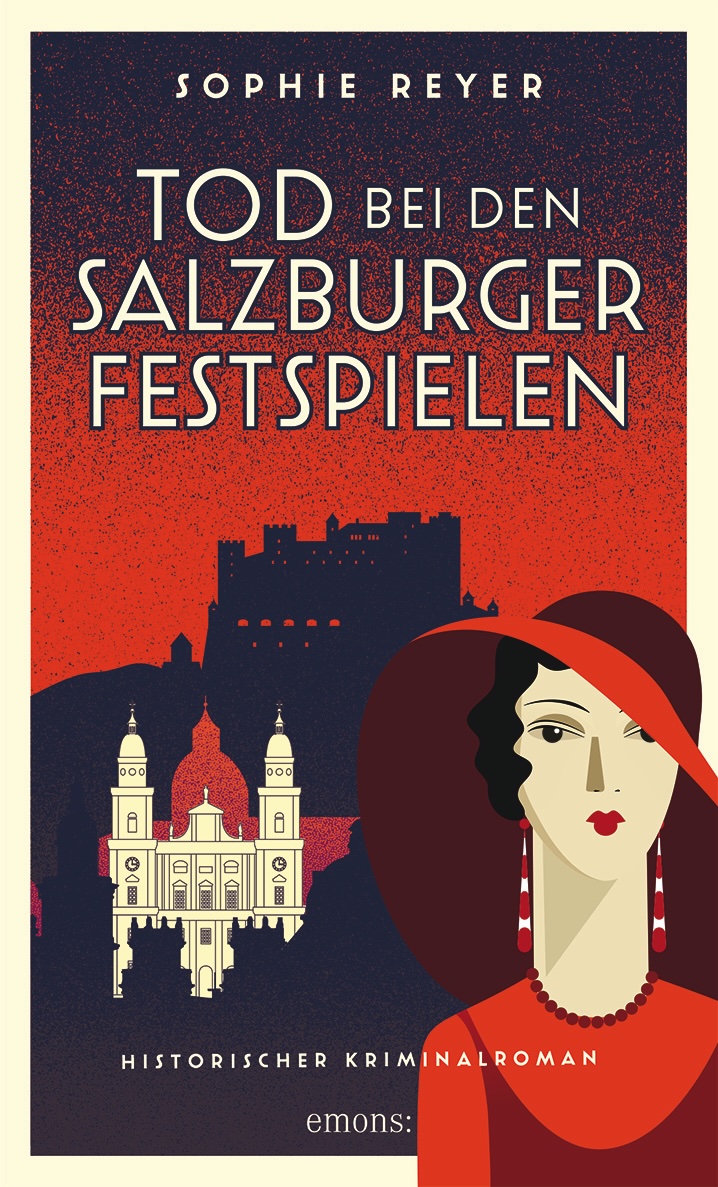
Death at the Salzburg Festival (Tod bei den Salzburger Festspielen) by Sophie Reyer
Salzburg, 1937. As Max Reinhardt, theatre director and co-founder of the Salzburg Festival, prepares what will be his final production of Everyman, two actors cast as Death are murdered within days of one another. One of Austria’s most celebrated contemporary literary voices, Reyer introduces English-language readers to the remarkable figure of Else Heims.
Water in August (Das Wasser im August)
by Ingo Schulze
A celebrated writer returns to rural Mecklenburg to give a reading from an unfinished novella at the birthday celebration of a former schoolmate. Schulze writes with characteristic elegance and emotional precision, capturing both the exhilaration of intellectual awakening and the melancholy of looking back.
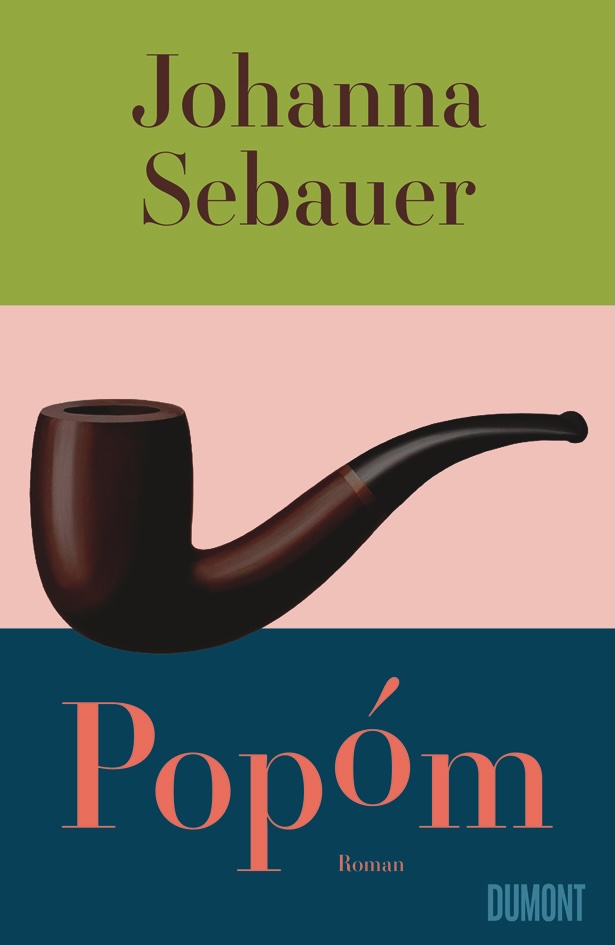
Popóm (Popóm) by Johanna Sebauer
Hendrik Popom appears to have everything he could want: a steady job, a long-term relationship with his childhood sweetheart Anja and a comfortable, predictable life. Everything changes when he unexpectedly bumps into a man who looks exactly like him. Sebauer writes with lightness, wit and impeccable comic timing.
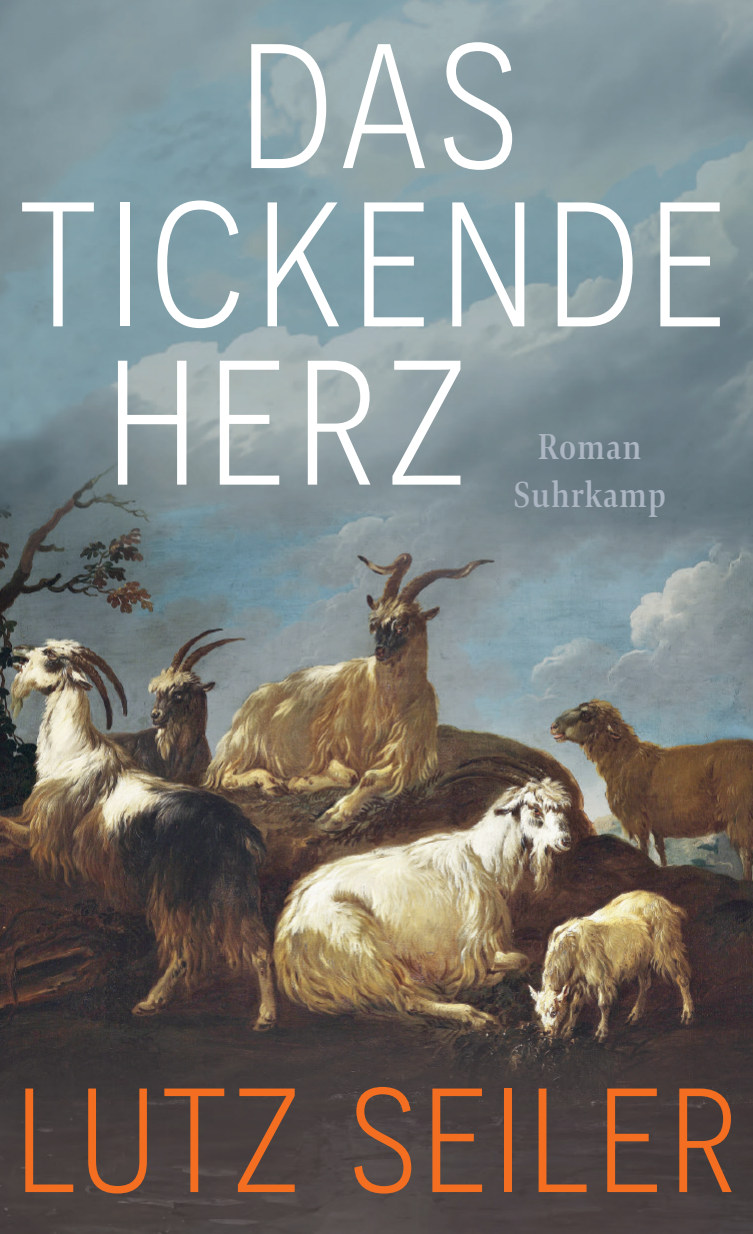
The Ticking Heart (Das tickende Herz) by Lutz Seiler
Carl Bischoff is adrift in Berlin in the late 1990s. His relationship has collapsed, the anarchic artistic community that sustained him is beginning to disappear, and the city itself is changing beyond recognition. Following the international success of Kruso (tr. Tess Lewis, Scribe, 2017) and Stern 111, Seiler delivers another ambitious and rewarding novel.
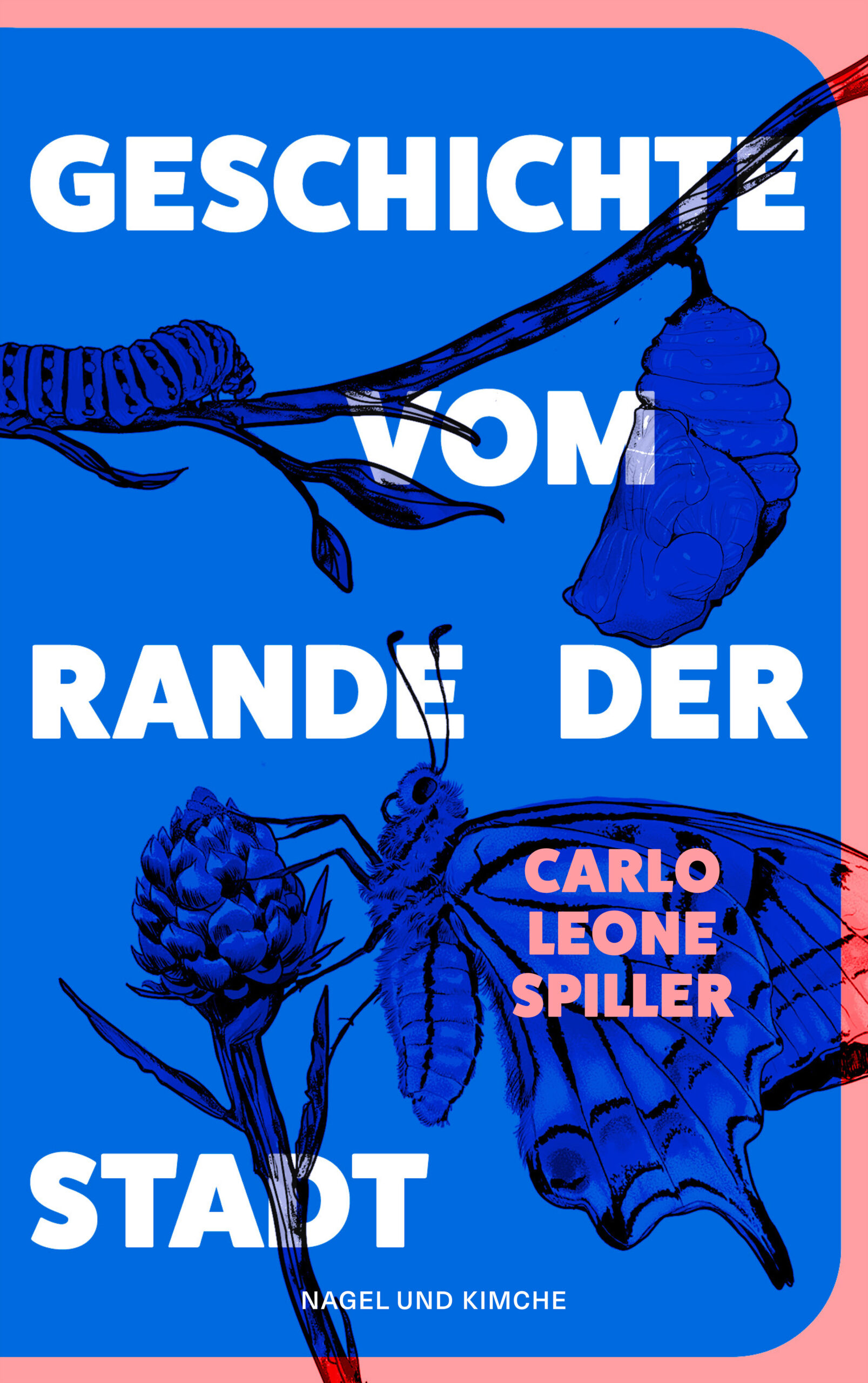
Story from the Edge of Town (Geschichte vom Rande der Stadt) by Carlo Leone Spiller
A fable-like piece of literary fiction. Set on the Swiss border in the interwar period, in what is likely Basel, but never named as such, it focuses on Jakob and Emmanuelle, a young couple struggling to make ends meet. This novel raises questions about whether technological power should sit with the few or be shared, even with the risks of misuse.
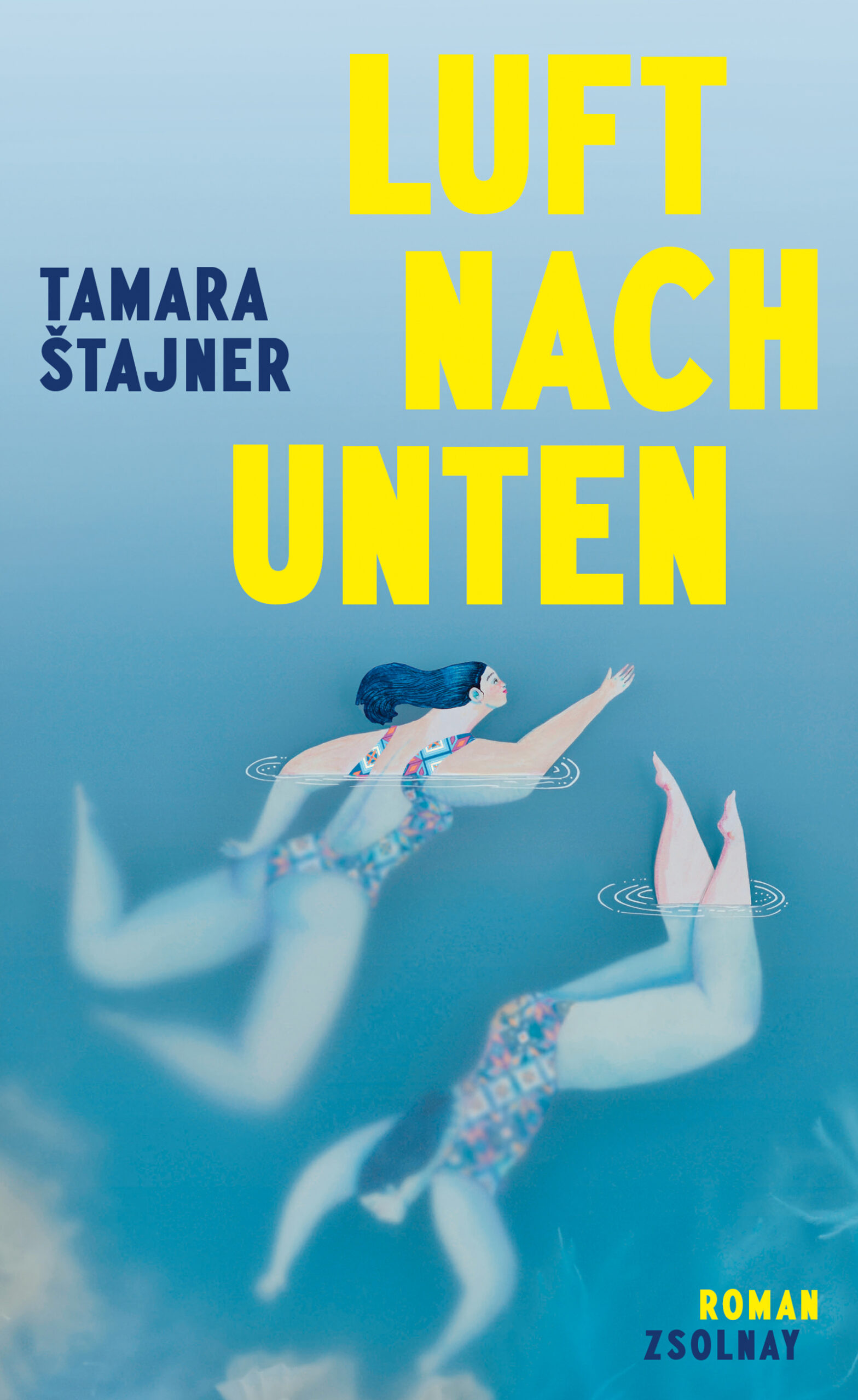
You win some, you lose Some (Luft nach unten) by Tamara Štajner
Iva, a successful musician in her late thirties, divides her life between Vienna and the landscapes of her childhood around Lake Ohrid in North Macedonia. While undergoing fertility treatment with her husband Felix, she returns to Ohrid for the funeral of Marija, the woman who cared for her as a child. This novel will appeal to fans of Ottessa Moshfegh and Fiona Mozley for its blend of a spiky narrative voice, deep underlying emotion and flashes of absurd humour.
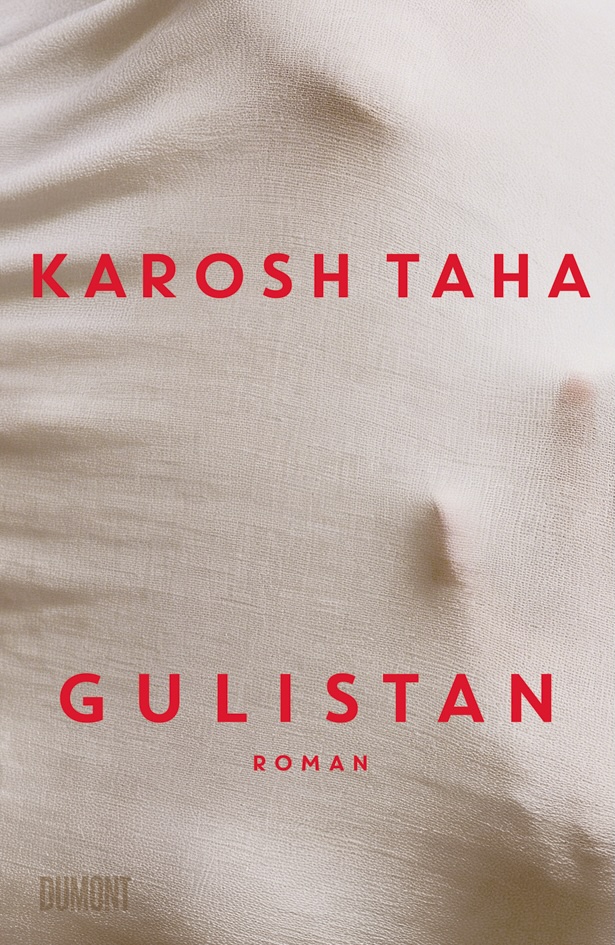
Gulistan (Gulistan) by Karosh Taha
Gulistan, an art teacher at a university, lives with her husband, Çîya, a Kurdish tailor, whose shop bears the same name as his wife: Gulistan, meaning ‘flower garden’. When two men arrive to question him about the name of his business, the apparently innocuous conversation takes on sinister significance. Taha demonstrates her extraordinary ability to fuse political history with poetic innovation.
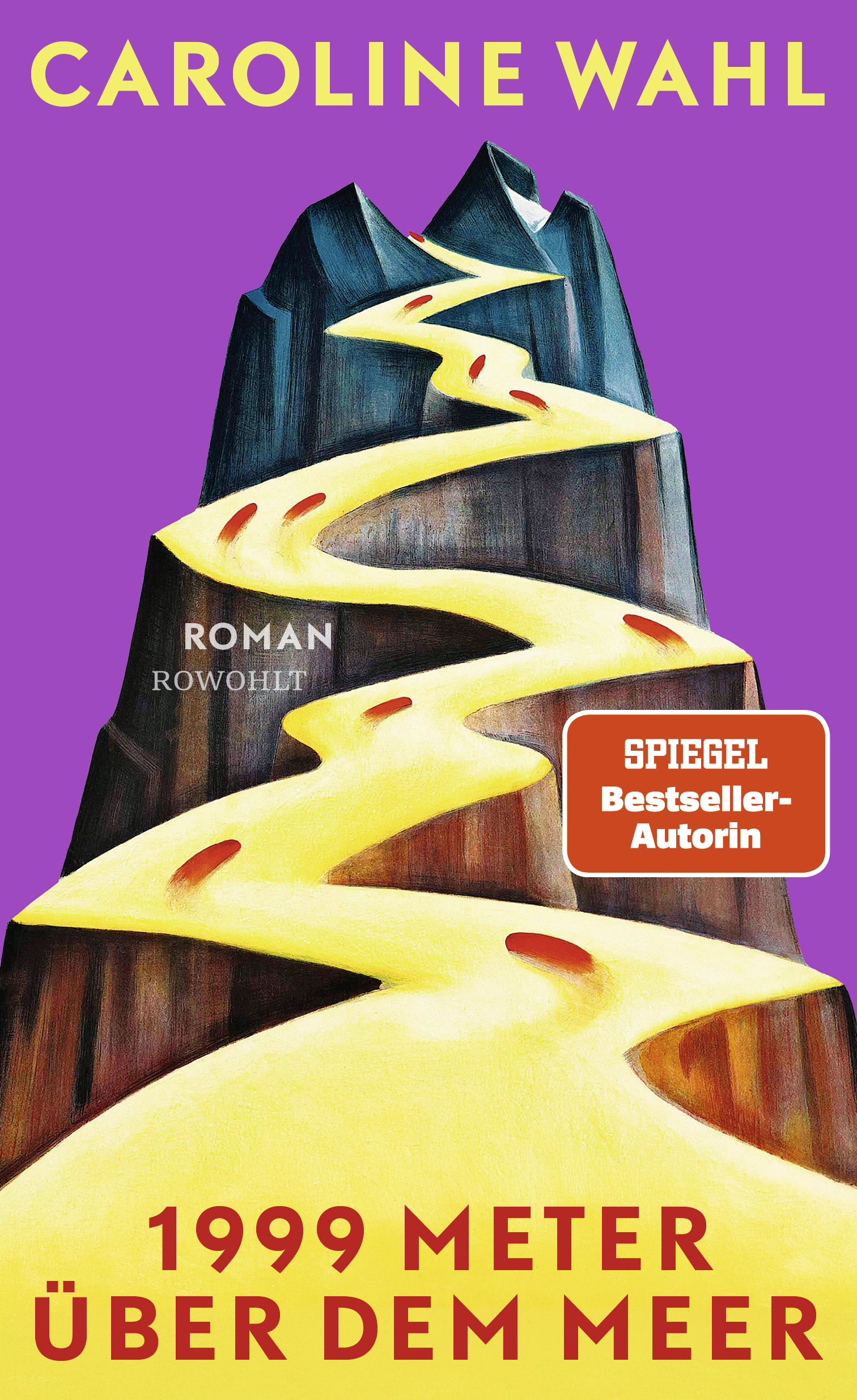
1999 Meters Above Sea (1999 Meter Über dem Meer) by Caroline Wahl
The novel opens with a trip to Bali, where Samara invents new identities for herself in conversations with other travellers, despite disliking the heat and the sea. Wahl’s prose is direct and easy to read, addressing themes of loneliness, identity, independence and the difficulty of choosing a life from many possible options.
Nonfiction
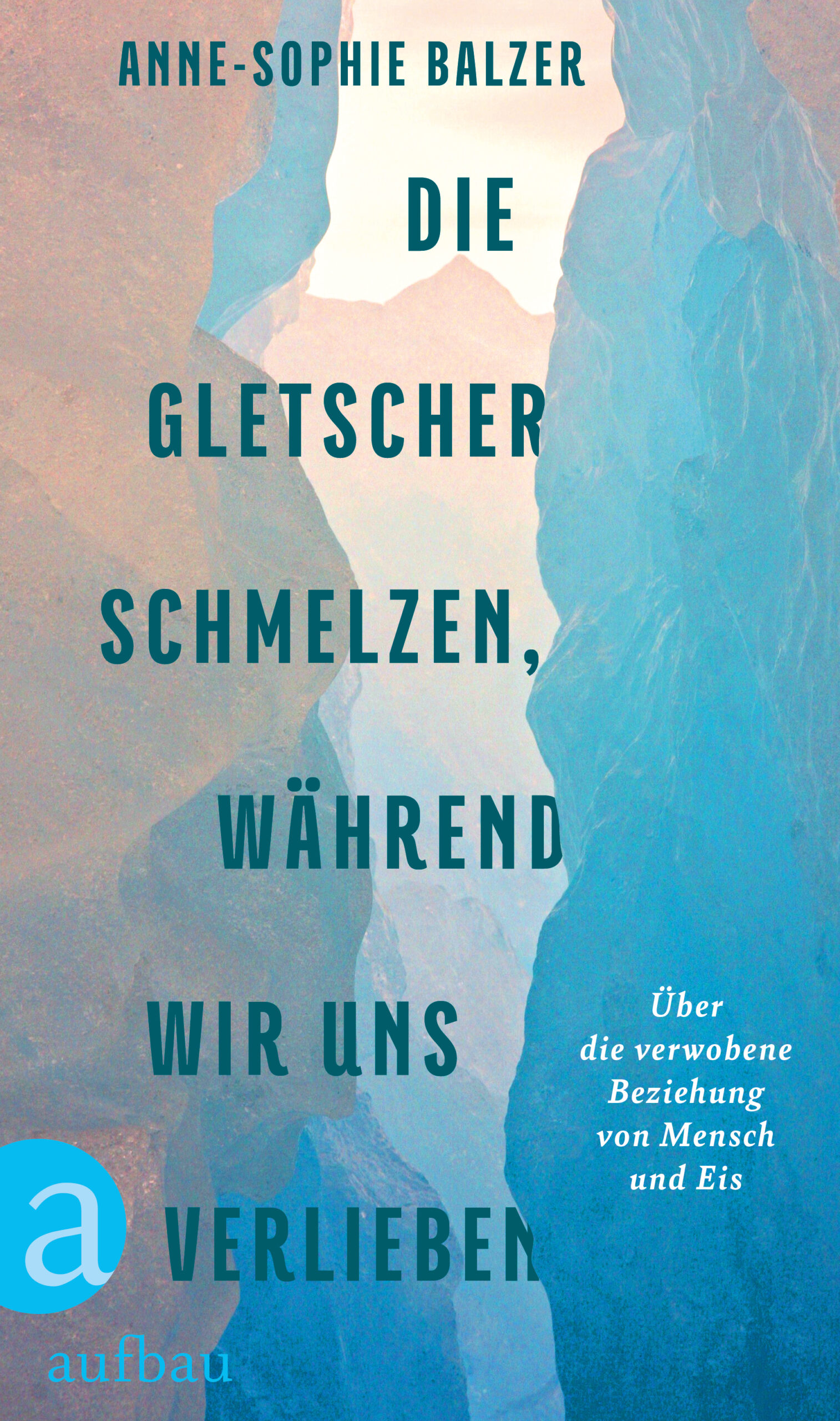
The Glaciers are Melting While We Fall in Love: On the Interwoven Relationship of Humans and Ice (Die Gletscher schmelzen während wir uns verlieben. Über die verwobene Beziehung von Mensch und Eis) by Anne-Sophie Balzer
An examination of glaciers in the Western literary imagination, moving from early accounts of polar and Alpine exploration to Romantic poetry and on to contemporary climate writing. Balzer’s work invites comparison with Robin Wall Kimmerer’s oeuvre and Kathleen Jamie’s Sightlines, which approach environmental subject matter through close attention to place and loss.
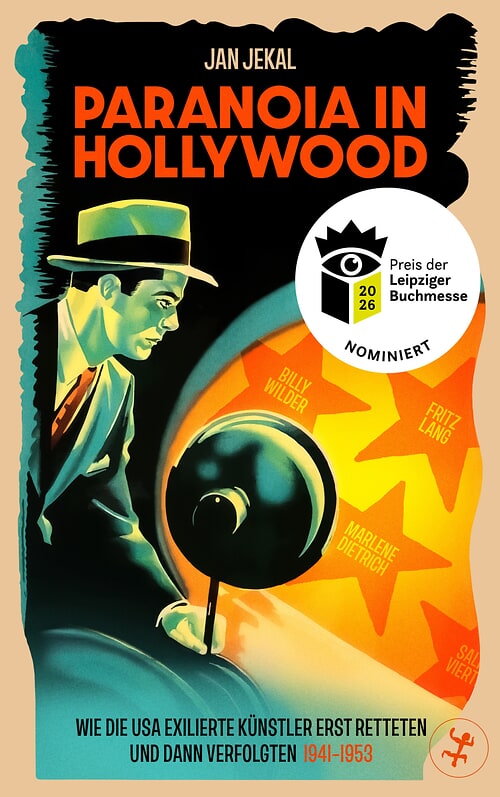
A compelling work of narrative history that tells the extraordinary story of the German-speaking artists and intellectuals who fled Nazi Europe and transformed Hollywood into an unlikely centre of European cultural life.
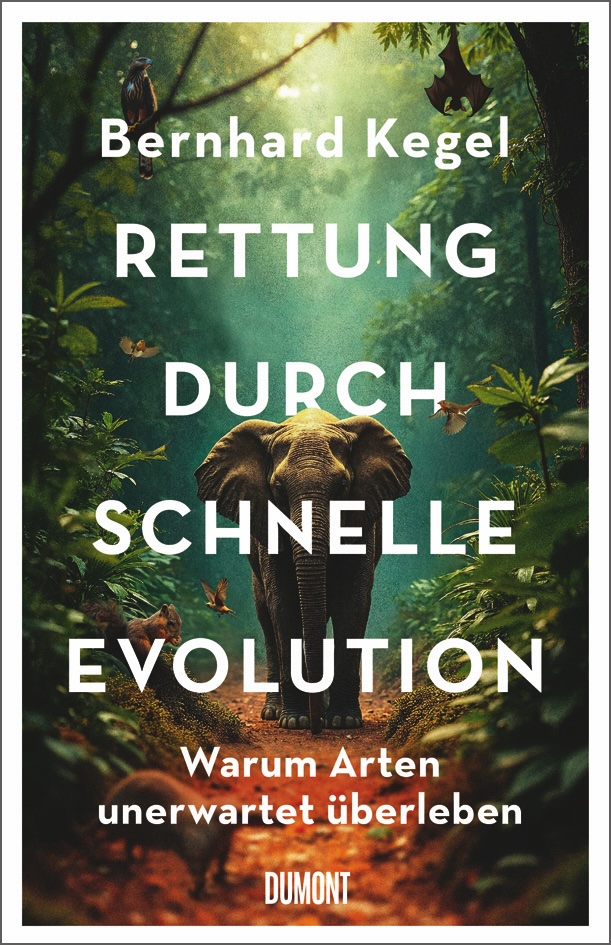
Rescued by Rapid Evolution: Why Species Survive Unexpectedly (Rettung durch Schnelle Evolution. Warum Arten unerwartet überleben) by Bernhard Kegel
Rather than presenting evolution as a process unfolding over millions of years, Kegel demonstrates how species are responding to climate change, habitat loss and human intervention within just a few generations. Both an authoritative introduction to contemporary evolutionary science and an inspiring contribution to environmental writing, Kegel’s enthusiasm for his subject is infectious.
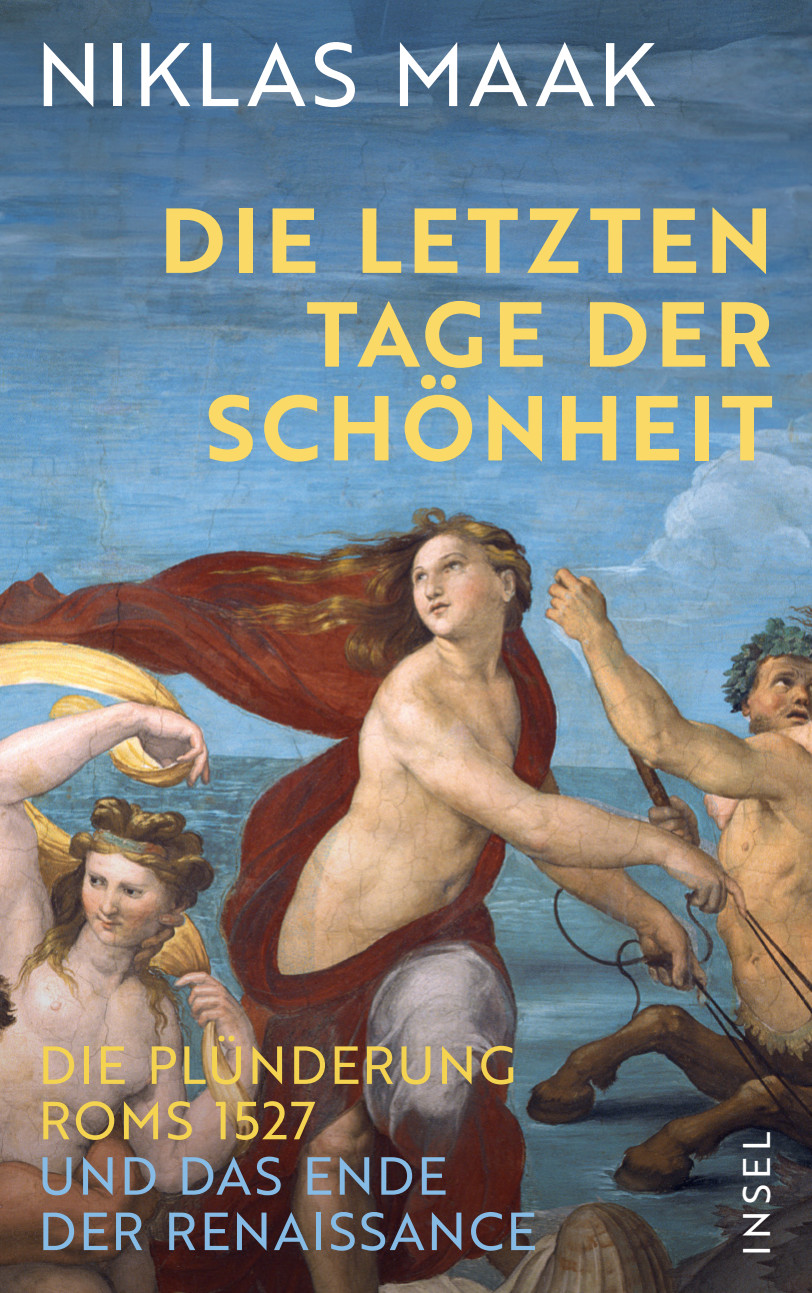
The Last Days of Beauty (Die letzten Tage der Schönheit) by Niklas Maak
A narrative account of the Sack of Rome on 6 May 1527, told through the lives of the mostly historically prominent figures who lived through it. The book uses the attack as a lens through which to consider the political, artistic and intellectual world of Renaissance Europe, at the height of its influence and the moment of its disintegration.
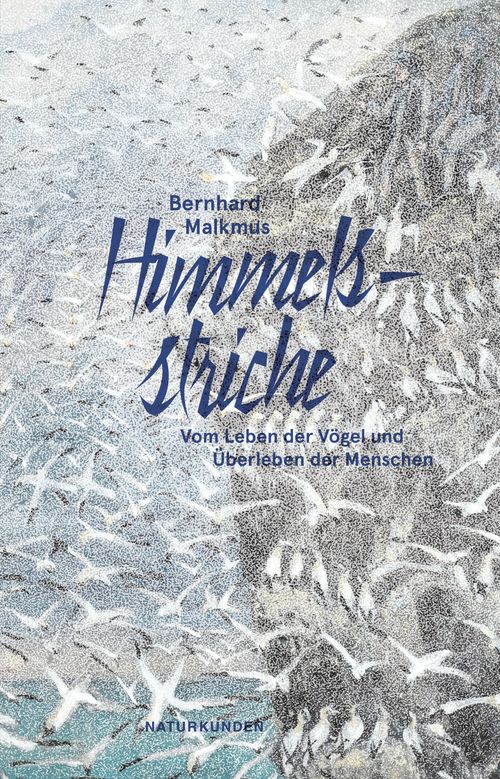
Flight Lines: Of Avian and Human Homing Instincts (Himmelsstriche. Vom Leben der Vögel und Überleben der Menschen) by Bernhard Malkmus
‘Flight Lines’ follows the migratory paths of seabirds along the north-eastern coast of England and southern Scotland to explore what they reveal about the relationships between people, place and the natural world. Written by German scholar Bernhard Malkmus during his year living on England’s North Sea coast, this is an original meditation on attention, belonging and ecological loss.
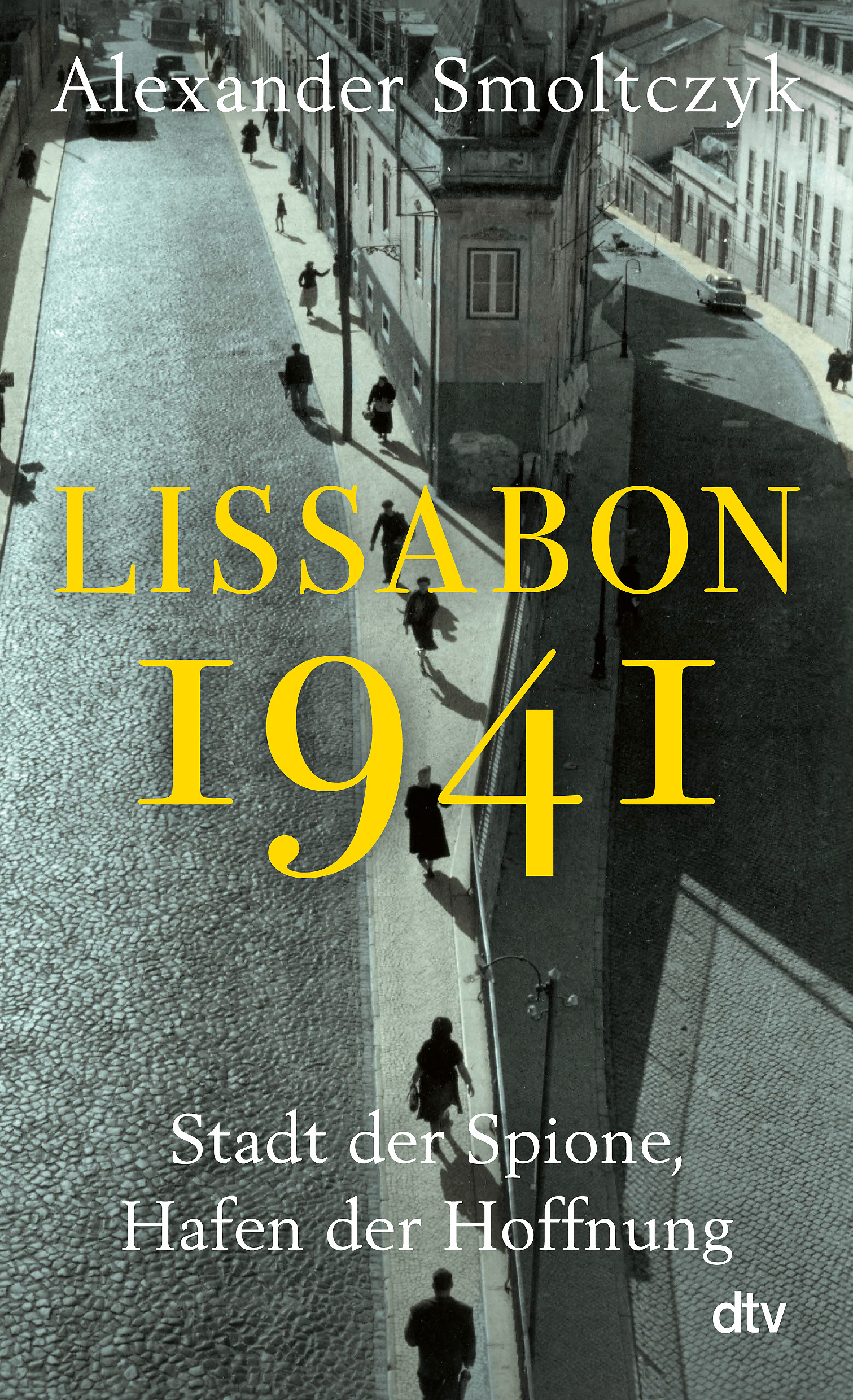
Lisbon 1941: City of Spies, Port of Hope (Lissabon 1941 – Stadt der Spione, Hafen der Hoffnung) by Alexander Smoltczyk
‘Lisbon 1941’ covers the two years during the Second World War in which Lisbon became a central meeting point for refugees, diplomats, and intelligence agents from across Europe. Smoltczyk, a journalist by background, writes in an accessible, narrative-driven style, occasionally drawing comparisons between the city in wartime and the present day.
Photo by Tomer Dahari: https://www.pexels.com/photo/bokeh-photography-of-black-framed-eyeglasses-1331386/